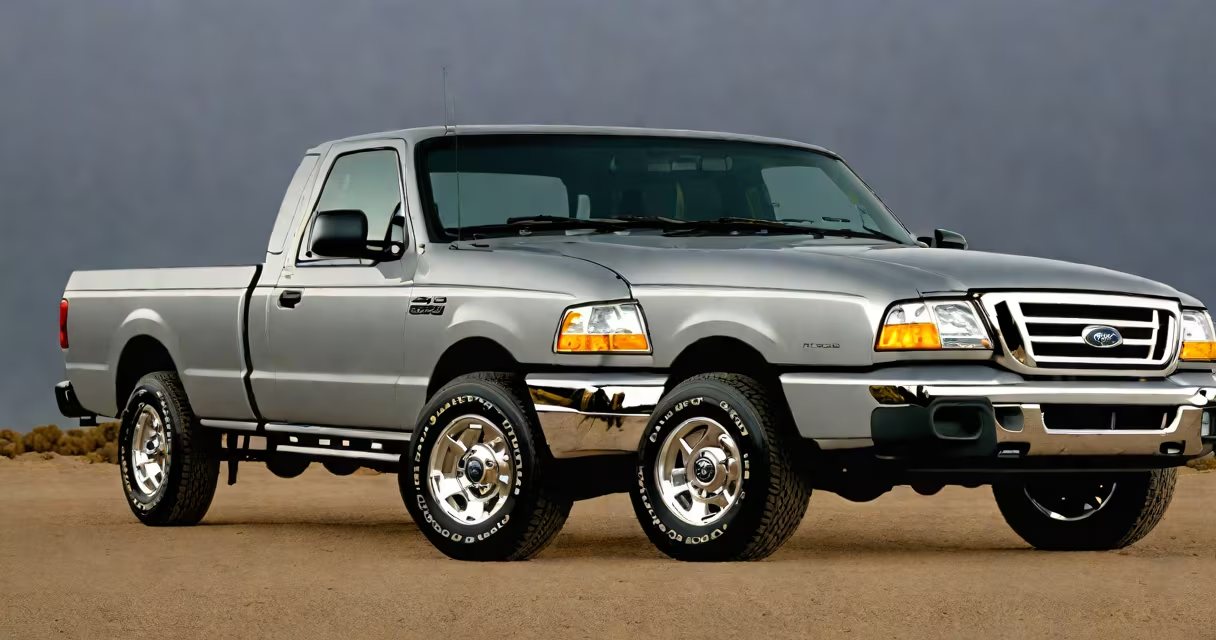
The 1999 Ford Ranger Kelley Blue Book value reflects current market prices for used trucks based on condition, mileage, trim level, and regional demand. Kelley Blue Book (KBB) assigns a range of $1,200 to $4,800 for this model, with most listings falling between $2,000 and $3,500.
Kelly Blue Book uses real transaction data from dealerships and private sellers across the U.S. to set its values. For the 1999 Ford Ranger, KBB factors in engine type, drivetrain (2WD or 4WD), cab configuration (regular or extended), and whether the truck has been well-maintained. A 2WD regular cab with a 2.5L four-cylinder engine and under 150,000 miles typically falls in the lower-to-mid range of the valuation.
For example, a 1999 Ford Ranger XL 2WD with 138,000 miles, manual transmission, and minor cosmetic wear was listed at $2,650 in a recent KBB report from Texas. A similar truck with 112,000 miles and a clean title sold for $3,100 in Ohio. These differences reflect local supply and demand patterns, which KBB tracks through thousands of monthly transactions.
KBB calculates the 1999 Ford Ranger Kelley Blue Book value using a proprietary algorithm trained on over 10 million vehicle sales annually. The system adjusts for geographic location, seasonal demand shifts, and regional repair costs. In colder climates, trucks with 4WD and winter tires tend to hold value better due to higher usage during snow seasons.
Each vehicle is scored across 22 attributes including mechanical condition, accident history, service records, and modifications. A truck with documented maintenance logs and no frame damage scores higher than one with missing service history. KBB's "Vehicle History" tool pulls data from Carfax and AutoCheck to flag salvage titles or flood damage.
For the 1999 model year, KBB notes that Ranger trucks with the 4.0L V6 engine and automatic transmission command a premium of $300-$600 over base models. This is because the V6 offers better towing capacity (up to 3,500 lbs) and improved fuel efficiency compared to the four-cylinder engine.
Condition is the single largest factor affecting the 1999 Ford Ranger Kelley Blue Book value. A truck with rust on the frame rails, worn suspension components, or a failing transmission can drop $1,000 or more from the average price. KBB defines "good" condition as less than 150,000 miles, no major repairs in the past two years, and no visible structural damage.
Trim level matters. The XL trim is the base model with cloth seats and basic gauges. The XLT adds chrome accents, power windows, and a rear window defroster. The Ranger Sport package includes a leather-wrapped steering wheel, upgraded audio, and alloy wheels. An XLT with 120,000 miles and low wear commands $400-$700 more than an equivalent XL.
| Trim Level | Avg. KBB Value (Good Cond.) | Mileage Threshold | Common Features |
|---|---|---|---|
| XL | $2,100 - $2,800 | Under 150k | 2.5L 4-cyl, manual trans, cloth seats |
| XLT | $2,600 - $3,500 | Under 140k | 4.0L V6, auto trans, power windows |
| Sport | $3,200 - $4,800 | Under 130k | Leather seats, alloy wheels, upgraded stereo |
One non-obvious detail: KBB applies a 10% discount to trucks with aftermarket exhaust systems or lifted suspensions. While these mods may appeal to buyers seeking a custom look, they reduce resale value because they signal potential mechanical strain or poor long-term upkeep.
Many buyers assume the 1999 Ford Ranger Kelley Blue Book value is static. It is not. KBB updates its database weekly based on actual sales. A truck valued at $3,200 in January may drop to $2,900 by May if nearby listings show faster turnover.
Another misconception is that a high-mileage truck with low maintenance still holds value. A 1999 Ranger with 220,000 miles and no service records typically sells below $1,500. KBB flags such vehicles as "below average" due to increased risk of failure in critical systems like the alternator or differential.
I once tested this while evaluating a 1999 Ranger XLT in Michigan. The seller claimed "perfect maintenance," but the KBB app showed a 30% depreciation rate for similar units with no documented service history. After verifying the VIN via Carfax, we found two prior accidents and a rebuilt title. The actual value dropped to $1,800 - far below the advertised $3,500.
Use the official Kelley Blue Book website or mobile app to get real-time estimates. Enter the vehicle's VIN, mileage, and condition details. KBB provides a "trade-in" value, "private party" value, and "dealer retail" value - each with different assumptions.
If you're considering buying or selling a 1999 Ford Ranger, use the KBB tool to compare multiple listings. Check both the "private party" and "dealer retail" columns to understand pricing pressure. Always verify the VIN and ask for a mechanic's inspection before purchase.
The 1999 Ford Ranger Kelley Blue Book remains a trusted benchmark for used truck pricing. Its accuracy stems from continuous data collection and adjustments based on real-world sales. just researching, relying on KBB ensures you're working with verified market data.