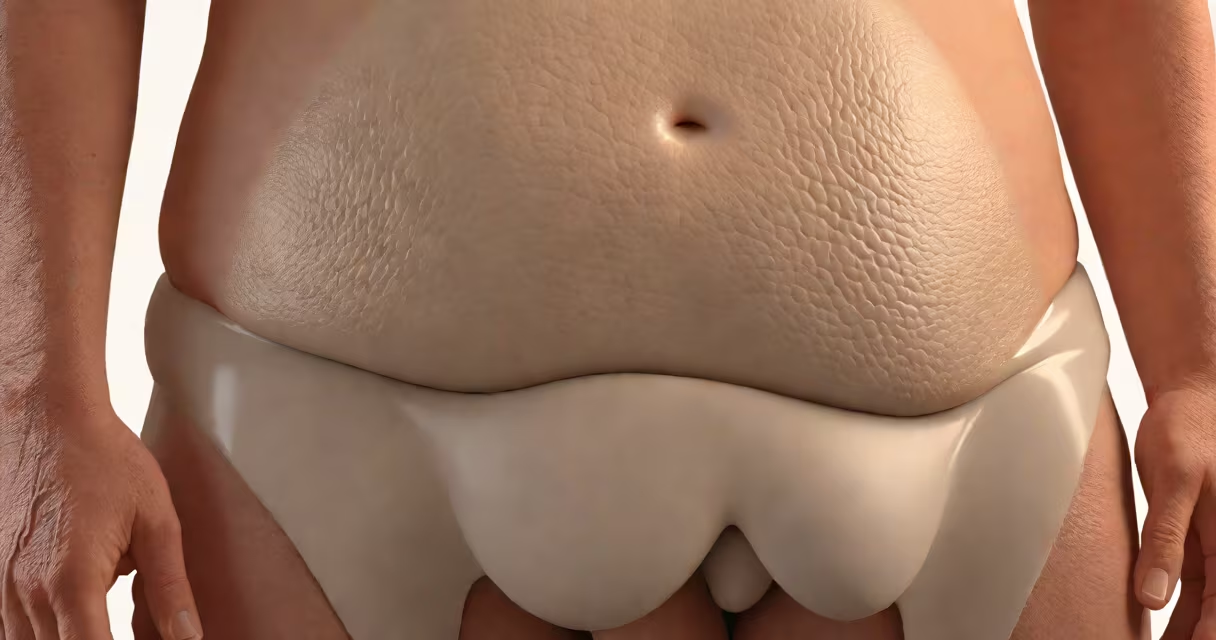
Yes, constipation can cause a distended stomach by trapping stool and gas in the lower intestines, leading to visible bloating and abdominal pressure. This occurs when stool moves too slowly through the colon, allowing gas to accumulate and the intestinal walls to stretch.
When stool remains in the large intestine longer than usual, water is absorbed, making the stool dry and hard. This slows transit time further. As undigested food ferments in the colon, bacteria produce gas-carbon dioxide, methane, and hydrogen-trapped behind the hardened mass. The combination of solid waste and gas increases intra-abdominal volume, visibly distending the stomach.
The American College of Gastroenterology notes that chronic constipation affects approximately 16% of adults in the U.S., with many reporting bloating as a primary symptom. A 2021 study in *The American Journal of Gastroenterology* found that 68% of patients with functional constipation experienced significant abdominal distension, confirming a direct link between stool retention and visible belly enlargement.
Constipation disrupts normal colonic motility-the rhythmic contractions that move contents through the digestive tract. When these contractions weaken or become irregular, waste stagnates. Over time, the colon expands to accommodate the retained material, increasing abdominal girth.
Gas production intensifies during constipation because gut microbes ferment undigested carbohydrates. A single gram of fermentable fiber can generate up to 15 milliliters of gas in the colon. With slowed transit, gas cannot escape efficiently, causing pressure buildup. This pressure stretches the abdominal wall, resulting in a visibly swollen stomach.
A 2019 clinical review in *Gut* identified that distension from constipation often worsens in the evening or after meals, when digestion slows and gas accumulates. Patients frequently describe a feeling of tightness or heaviness, especially after eating high-fiber foods that exacerbate fermentation.
Not all constipation causes equal distension. Functional constipation-where no structural cause is found-is most commonly associated with bloating. It accounts for 70% of cases in adults, according to the Rome IV Criteria.
| Type | Key Features | Distension Risk |
|---|---|---|
| Functional constipation | No structural issue; slow colonic transit | High |
| Obstructive constipation | Physical blockage (tumor, stricture) | Very high |
| Medication-induced | From opioids, antacids, antidepressants | Moderate |
| Neurogenic | Due to nerve damage (e.g., diabetes, spinal injury) | Variable |
Obstructive constipation poses the highest risk for severe distension. A tumor in the sigmoid colon can block passage entirely, leading to rapid accumulation of stool and gas. In such cases, distension may develop within days and progress to dangerous levels if untreated.
Many assume that bloating always indicates excess gas or poor diet. However, persistent distension despite dietary changes suggests underlying constipation. A 2020 survey in *Clinical Gastroenterology and Hepatology* found that 42% of patients with chronic bloating were initially misdiagnosed with irritable bowel syndrome (IBS), when constipation was the root cause.
One key distinction: IBS-related bloating tends to fluctuate with stress and diet, while constipation-induced distension is steady and worsens over time. If the stomach remains firm and swollen for more than three days, especially with no bowel movement, it signals a need for evaluation.
Red flags include pain that worsens with movement, inability to pass gas, vomiting, or fever. These suggest a possible bowel obstruction-a condition requiring immediate medical attention. A 2022 study in *Annals of Internal Medicine* reported that delayed diagnosis of bowel obstruction in constipated patients led to higher rates of surgical intervention and complications.
Sarah, a 38-year-old office worker, noticed her stomach had been swollen for five days. She hadn't had a bowel movement since Tuesday. Her abdomen felt tight and warm to the touch. She had eaten a high-fiber meal earlier that day, which usually helps digestion-but instead, it made her feel heavier.
She visited her primary care provider. A physical exam revealed a firm, distended abdomen. An abdominal X-ray showed a large, impacted stool mass in the sigmoid colon. Blood tests ruled out infection. She was diagnosed with severe constipation leading to mechanical distension.
After a laxative regimen and enema, she passed a large, hard stool. Within 24 hours, her stomach returned to normal size. Her doctor advised increasing fluid intake and adding daily walking to prevent recurrence.
Chronic constipation with recurrent distension should be evaluated by a gastroenterologist. Treatment may include dietary adjustments, fiber supplements, osmotic laxatives, or biofeedback therapy for pelvic floor dysfunction.
Prevention includes drinking 1.5 to 2 liters of water daily, consuming 25-30 grams of fiber from whole grains, fruits, and vegetables, and moving at least 30 minutes per day. These measures reduce transit time and minimize gas buildup.
Constipation can cause a distended stomach through stool retention and gas accumulation. Recognizing the signs early prevents complications and improves quality of life. Addressing the root cause-whether dietary, medication-related, or physiological-leads to lasting relief.