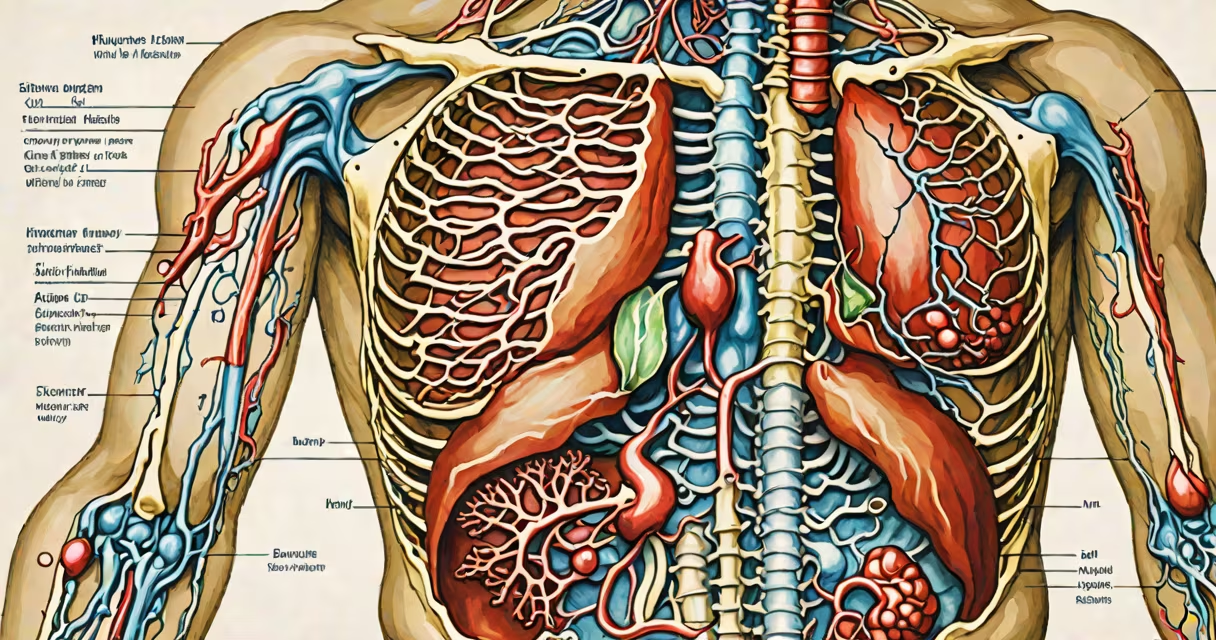
The defense system body is the collective network of tissues, organs, and cellular mechanisms that detect, respond to, and eliminate foreign invaders such as bacteria, viruses, and cancer cells. It operates through two coordinated layers: innate responses that act rapidly and adaptive responses that develop targeted memory.
This system includes the skin, mucous membranes, bone marrow, thymus, spleen, lymph nodes, and circulating immune cells like neutrophils, macrophages, T cells, and B cells. These elements work together to maintain internal stability and prevent infection or disease progression.
According to the National Institute of Allergy and Infectious Diseases (NIAID), the human defense system body is responsible for identifying "non-self" entities and mounting a response without harming host tissues-a process known as immune tolerance. This balance prevents autoimmune reactions while ensuring protection.
When a pathogen enters the body-through inhalation, ingestion, or skin breach-the innate arm activates within minutes. Physical barriers like the skin and mucus trap invaders. If they penetrate, phagocytes such as neutrophils and macrophages engulf and destroy them using enzymes and reactive oxygen species.
If the threat persists, the adaptive immune system engages. Antigen-presenting cells carry fragments of the invader to lymph nodes, where T cells and B cells are activated. T cells coordinate the response, while B cells produce antibodies specific to the antigen. This takes 4-7 days to peak but establishes long-term immunity.
A 2021 study published in *Nature Immunology* demonstrated that memory T cells can remain dormant for decades, ready to reactivate upon re-exposure. This explains why people rarely contract diseases like measles twice.
The defense system body relies on specialized structures and cell types. Bone marrow produces all blood cells, including immune precursors. The thymus matures T cells, training them to distinguish self from non-self. The spleen filters bloodborne pathogens and removes old red blood cells.
Lymph nodes act as surveillance hubs. Swollen nodes during illness indicate active immune processing. The gut-associated lymphoid tissue (GALT), located in the intestines, handles most daily microbial exposure-over 70% of immune cells reside here.
| Component | Primary Function | Location |
|---|---|---|
| Bone marrow | Produces stem cells for all blood cells | Inside bones (e.g., pelvis, sternum) |
| Thymus | Matures T cells; eliminates self-reactive ones | Behind the breastbone |
| Spleen | Filters blood; traps pathogens and debris | Left upper abdomen |
| Lymph nodes | Filter lymph fluid; activate immune cells | Along lymphatic vessels (neck, armpits, groin) |
One non-obvious fact: the defense system body doesn't rely solely on white blood cells. The microbiome-trillions of microbes in the gut-modulates immune responses. A 2020 study in *Cell* showed germ-free mice had underdeveloped lymphoid tissues and failed to mount effective antibody responses.
Many confuse the defense system body with the nervous system or endocrine system. While hormones influence immunity, the defense system body is distinct in purpose and structure. It is not a single organ but a distributed network.
Another mistake is equating immunity with health. A strong defense system body doesn't guarantee resistance to disease. Autoimmune disorders like lupus or rheumatoid arthritis result from misdirected immune activity. The body attacks its own tissues despite proper function.
People often assume vaccines provide instant protection. In reality, they stimulate the adaptive arm to generate memory cells. Protection begins around day 7 post-vaccination and peaks at 14-21 days. The CDC confirms this timeline for mRNA COVID-19 vaccines.
Consider a person who cuts their hand while gardening. Soil contains *Streptococcus pyogenes*. The wound breaches the skin barrier, allowing bacteria entry.
Within 10 minutes, neutrophils arrive at the site. They engulf bacteria and release antimicrobial peptides. Local inflammation causes redness, heat, and swelling-signs of innate activation.
By hour 24, dendritic cells collect bacterial fragments and migrate to nearby lymph nodes. There, they present antigens to naive T cells. Over the next 5 days, T cells differentiate into effector subtypes and B cells begin producing IgM antibodies.
By day 7, the infection clears. Memory T and B cells persist. If the same person encounters *S. pyogenes* again, the response occurs in under 24 hours-demonstrating immunological memory.
During this recovery, the individual may feel fatigued. This is due to cytokines released by immune cells-molecules that signal systemic changes. Fatigue is a normal part of immune activation, not a sign of failure.
Immune dysfunction underlies many chronic conditions. Cancer immunotherapy exploits the adaptive arm to target tumor cells. Autoimmune diseases require suppression of overactive responses. Vaccines depend on precise stimulation of memory formation.
I once observed a patient with severe combined immunodeficiency (SCID)-a rare genetic disorder where T cell development fails. Without functional defense system body components, even mild infections proved fatal. This reinforced that immunity isn't optional-it's foundational.
Understanding the defense system body reveals how fragile yet resilient human physiology is. It's not a single mechanism but a changing, layered network evolved over millions of years to sustain life in a hostile environment.