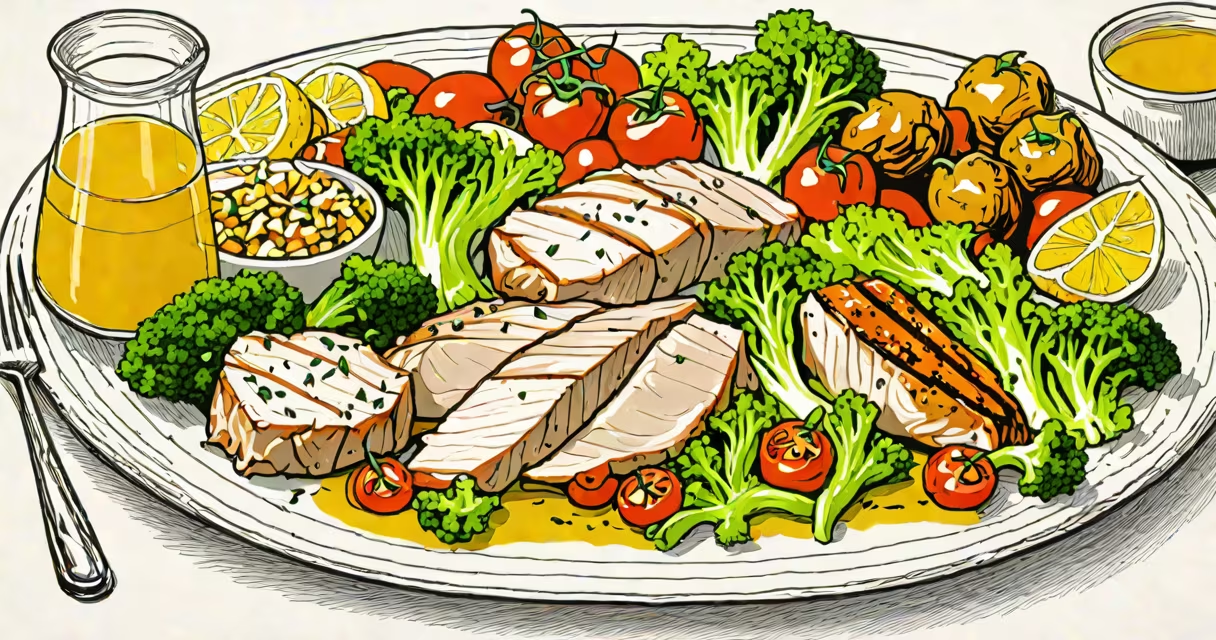
A diet chart after gallbladder removal outlines a step-by-step progression of foods to reduce digestive discomfort during recovery. It begins with clear liquids, moves to soft, low-fat meals, and gradually reintroduces normal eating over 4-6 weeks. This structured plan minimizes bloating, diarrhea, and pain linked to fat malabsorption.
The gallbladder stores bile produced by the liver. After removal, bile flows continuously into the small intestine instead of being released in bursts during meals. Without concentrated bile, digesting fatty foods becomes difficult. A well-planned diet chart reduces strain on the digestive system and supports healing.
According to the American Society for Gastrointestinal Endoscopy (ASGE), patients should avoid high-fat meals for at least six weeks post-surgery. The goal is to allow the digestive tract to adapt to constant bile flow. A proper diet chart ensures gradual reintroduction of nutrients while minimizing complications.
The diet chart after gallbladder removal follows a phased structure based on tolerance and symptom response. Phase one focuses on hydration and minimal digestive load. Phase two introduces soft, easily digested foods. Phase three expands to include lean proteins and complex carbohydrates with controlled fat intake.
During the first 24-48 hours after surgery, most patients begin with clear liquids such as water, herbal tea, diluted fruit juices, and broths. These fluids prevent dehydration and prepare the gut for solid food. Skipping this phase increases the risk of nausea and vomiting.
After tolerating liquids for 12-24 hours, patients move to pureed or mashed foods like applesauce, mashed potatoes, and strained soups. These require little chewing and minimal bile for digestion. Introducing food too quickly causes cramping, gas, or loose stools.
Each phase of the diet chart emphasizes specific food groups to support healing and reduce fat-related symptoms. High-fiber foods are introduced slowly to avoid bloating. Protein sources must be lean and cooked without added fats.
For example, a typical day in phase two might include:
Foods to avoid include fried items, fatty meats, full-fat dairy, processed snacks, and spicy seasonings. Even healthy fats like avocado or nuts may trigger symptoms early in recovery. One patient reported severe diarrhea after consuming half an avocado on day 10, despite following the chart closely.
| Phase | Duration | Allowed Foods | Prohibited Foods |
|---|---|---|---|
| Clear Liquids | Day 1-2 | Water, broth, herbal tea, apple juice (diluted) | Alcohol, caffeine, carbonated drinks |
| Soft Foods | Day 3-7 | Mashed potatoes, applesauce, boiled eggs, plain toast | Fried foods, red meat, cheese, raw vegetables |
| Low-Fat Solids | Week 2-4 | Grilled fish, skinless poultry, steamed vegetables, whole grains | High-fat cheeses, bacon, fried eggs, creamy sauces |
| Gradual Reintroduction | Month 2+ | Lean meats, limited nuts, low-fat dairy, fiber-rich fruits | Fast food, greasy takeout, alcohol, excessive spice |
Some patients report increased sensitivity to lactose after gallbladder removal. A study published in Frontiers in Physiology found that 38% of participants experienced temporary lactase deficiency post-surgery, leading to bloating and gas. If symptoms persist, consider switching to lactose-free alternatives.
Many assume that "low-fat" means "no fat." This is incorrect. Fat is essential for absorbing fat-soluble vitamins (A, D, E, K). The diet chart after gallbladder removal includes small amounts of healthy fats like olive oil or avocado, but in moderation and only after tolerance is established.
Another common error is rushing into phase three too soon. One patient who ate a burger on day 14 developed severe abdominal pain and required emergency care. The hospital team confirmed that rapid fat intake overwhelmed the digestive system, causing bile overload and intestinal spasms.
Some believe they must eat only bland foods forever. That's not true. Most people regain the ability to tolerate regular meals within 6-8 weeks. The diet chart is a temporary scaffold, not a permanent restriction.
Sarah, a 45-year-old teacher, had her gallbladder removed laparoscopically. Her surgeon gave her a printed diet chart with daily meal suggestions. On day one, she drank clear broth and sipped water. By day three, she ate mashed sweet potatoes and boiled chicken.
On day five, she tried a scrambled egg with toast. She felt mild nausea but recovered after resting. She avoided avocado until week three, when she added one teaspoon of mashed avocado to her salad. No symptoms occurred. By week five, she resumed eating small portions of grilled salmon and leafy greens.
Her recovery timeline matched clinical guidelines. The diet chart helped her identify triggers and adjust portion sizes. She completed the full program in six weeks and returned to her usual diet with no issues.
Long-term success depends on consistent monitoring and adjustments. Most people return to normal eating patterns within two months. The diet chart after gallbladder removal is not a rigid rulebook-it's a flexible tool tailored to individual tolerance levels.