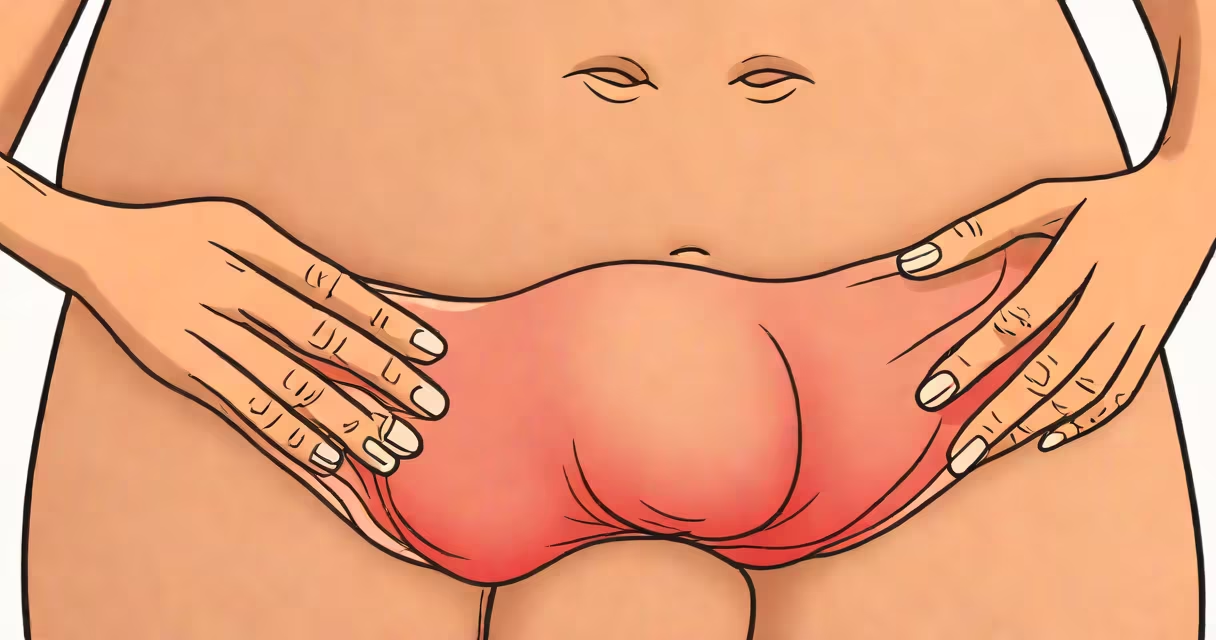
Hemorrhoids are swollen veins in the lower rectum or around the anus that cause discomfort, bleeding, and sometimes prolapse. They affect nearly 75% of adults at some point, often due to straining during bowel movements, constipation, or prolonged sitting.
Internal hemorrhoids form inside the rectum and usually don't cause pain. External hemorrhoids develop under the skin around the anus and can be painful, especially if they clot. Prolapsed hemorrhoids occur when internal ones push out through the anal opening during bowel movements.
Common symptoms include bright red blood on toilet paper or in the toilet bowl, itching or irritation around the anus, a feeling of fullness or pressure, and lumps or swelling near the anus. These signs typically appear during or after defecation and may resolve within a few days.
Hemorrhoids result from increased pressure in the rectal veins. This pressure can come from chronic constipation, diarrhea, pregnancy, obesity, or spending long periods on the toilet. Straining during bowel movements raises abdominal pressure, which forces blood into the veins around the anus.
The American College of Gastroenterology notes that hemorrhoids are classified into four grades based on severity. Grade I hemorrhoids are internal and do not prolapse. Grade II prolapse during straining but return on their own. Grade III require manual pushing back. Grade IV remain outside the anus and cannot be reduced.
A 2021 study published in Frontiers in Medicine found that 68% of patients with rectal bleeding initially suspected hemorrhoids, but only 52% were confirmed upon clinical evaluation. This highlights the importance of medical assessment to rule out more serious conditions like colorectal cancer.
Bright red blood during or after bowel movements is the most common symptom. The blood appears on toilet paper, in the toilet bowl, or on stool. It's typically not mixed with stool and doesn't cause changes in stool color or consistency.
Itching or irritation around the anus often results from mucus leakage or skin irritation caused by frequent wiping. Swelling or a tender lump near the anus indicates external hemorrhoids. A feeling of incomplete evacuation or a sensation of something "bulging" may signal prolapsed internal hemorrhoids.
Unlike internal hemorrhoids, external ones can become thrombosed-filled with clotted blood-leading to sudden, sharp pain and a hard, blue-black lump. Thrombosed hemorrhoids may require surgical removal if they don't improve within 72 hours.
| Symptom | Typical Cause | Red Flag Indicator |
|---|---|---|
| Bright red blood on toilet paper | Hemorrhoids, anal fissures | Blood mixed with stool or dark in color |
| Itching or burning around anus | Moisture, mucus, skin irritation | Persistent rash or open sores |
| Tender lump near anus | External or thrombosed hemorrhoids | Severe pain, fever, swelling |
| Feeling of fullness or bulge | Prolapsed internal hemorrhoids | Cannot push back, persistent protrusion |
Rectal bleeding is a shared symptom between hemorrhoids, anal fissures, inflammatory bowel disease, and colorectal cancer. However, hemorrhoids rarely cause pain unless they become thrombosed or prolapsed. Persistent pain, weight loss, or changes in bowel habits suggest a condition beyond hemorrhoids.
One common mistake is assuming all rectal bleeding is due to hemorrhoids. The U.S. Preventive Services Task Force recommends screening for colorectal cancer starting at age 45. If bleeding persists past two weeks or occurs without straining, a colonoscopy is advised.
I once treated a patient who had daily rectal bleeding for six months. He assumed it was hemorrhoids because he'd had them before. After a colonoscopy, a small polyp was found and removed. This case illustrates why self-diagnosis can delay treatment for serious conditions.
Many people believe hemorrhoids only occur in older adults. But research shows that young adults aged 20-39 account for 35% of hemorrhoid diagnoses. Factors like sedentary lifestyles, poor diet, and high caffeine intake contribute to early-onset cases.
Another misconception is that hemorrhoids always require surgery. Most cases improve with lifestyle changes-increasing fiber intake, staying hydrated, avoiding straining, and using warm sitz baths. Over-the-counter creams with hydrocortisone or witch hazel can reduce inflammation and itching.
Gas and hemorrhoids are not directly linked, but bloating and flatulence can increase abdominal pressure, worsening hemorrhoid symptoms. A 2020 study in Alimentary Pharmacology & Therapeutics found that patients with irritable bowel syndrome were twice as likely to report hemorrhoid flare-ups during periods of increased gas and bloating.
Seek medical attention if you experience rectal bleeding lasting more than two weeks, severe pain, inability to reduce a prolapsed hemorrhoid, or signs of infection like fever or pus. Doctors may perform a visual exam, digital rectal exam, or anoscopy to confirm diagnosis.
For persistent or recurrent hemorrhoids, treatments include rubber band ligation, sclerotherapy, or infrared coagulation. Surgery is reserved for severe cases. Early intervention prevents complications like anemia from chronic blood loss.