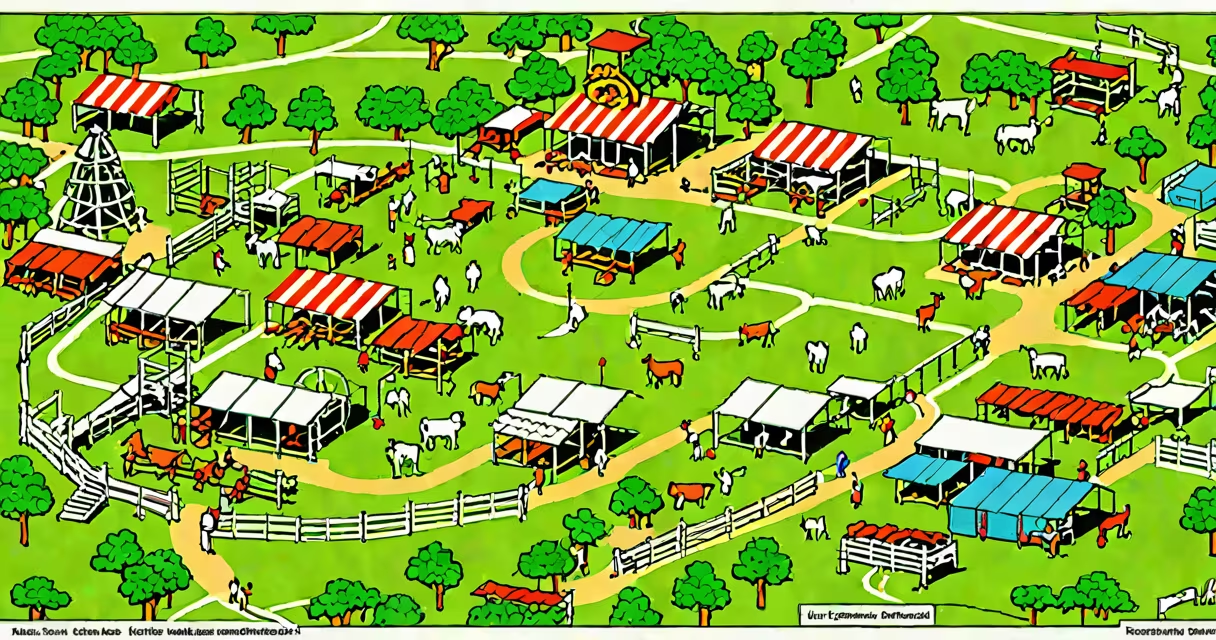
The Maui County Fair is an annual agricultural and cultural celebration held at the Maui County Fairgrounds in Wailuku, featuring livestock shows, craft vendors, live music, food stalls, and family-friendly activities. It runs for ten days each summer, typically in late July through early August.
Hosted by Maui County's Department of Parks and Recreation, the fair emphasizes local talent, farming traditions, and community engagement. Events include 4-H youth exhibitions, sheep shearing demonstrations, pig races, and a grand parade. Admission is $10 for adults, $5 for children aged 6-12, and free for under-6s.
Unlike state-wide festivals such as the Honolulu Festival, the Maui County Fair focuses exclusively on island-specific agriculture and rural life. It is not a commercial amusement park, though it includes midway rides during weekend evenings. The event draws around 35,000 attendees annually, according to county records.
Each day begins at 9 a.m. with opening ceremonies, followed by scheduled competitions in categories like best produce, handmade quilts, and baked goods. Judges are local experts, including university extension agents and long-time farmers. Winners receive ribbons and are entered into the Grand Champion competition on the final day.
Events rotate through four main zones: the Agriculture Pavilion, Craft & Art Tent, Family Fun Area, and the Food Court. The Food Court features local favorites like kalua pork sandwiches, shave ice with tropical syrups, and fresh pineapple juice. All food vendors must source at least 70% of ingredients from Maui or nearby islands.
Evening hours feature live performances on the Main Stage. Past acts have included the Maui Youth Choir, slack-key guitar legend Ledward Ka'apuni, and traditional hula groups from the Kamehameha Schools. Tickets for evening concerts are sold separately, ranging from $15 to $25.
The fair is structured around five core components: education, entertainment, exhibition, commerce, and community. Education is delivered through workshops on sustainable gardening, native plant propagation, and beekeeping. These sessions are free and open to all ages.
Entertainment includes daily contests like the "Best Dressed Pig" and "Most Creative Hay Bale Sculpture." Exhibition spaces display over 200 entries in the art and photography categories, with themes drawn from Hawaiian culture and ocean conservation.
Commerce happens through vendor booths selling handcrafted jewelry, woven baskets, and locally roasted coffee. All vendors must apply through the county's vendor licensing system and pay a $75 fee for a 10-foot booth space.
| Type | Examples | Attendance Share |
|---|---|---|
| Agricultural Exhibits | Best taro root, chicken show, flower arrangement | 30% |
| Foods & Drinks | Shave ice, poke bowls, coconut candy | 25% |
| Family Activities | Petting zoo, face painting, magic show | 20% |
| Live Performances | Hula, slack-key guitar, comedy acts | 15% |
| Vendors & Crafts | Handmade leis, pottery, woven bags | 10% |
One lesser-known fact: the fair's mascot, a cartoonish pig named Pono, was created in 2018 by a high school art student from Kahului. He appears in promotional materials and leads the parade each year. His name means "righteousness" in Hawaiian, reflecting the fair's values of integrity and stewardship.
The Maui County Fair takes place at the Maui County Fairgrounds, located at 1500 S. High St., Wailuku. The site is a 45-acre facility with paved walkways, shaded rest areas, and accessible parking. It is also used for the Maui County Fairgrounds Farmers Market on Saturdays.
It serves as a platform for small farms and artisans to reach customers without relying on large retail chains. For example, in 2023, a family-run papaya farm from Hana won the "Best Fruit Display" award and secured a contract with a local grocery chain.
Local schools participate through 4-H clubs and science fairs. Students build model solar ovens, conduct soil pH tests, and present projects on invasive species. The fair's science category awards $500 in scholarships annually to winners in grades 9-12.
Many assume the Maui County Fair is a tourist-only event. In reality, 60% of attendees are residents of Maui County, according to a 2023 survey by the University of Hawai'i at Mānoa's College of Tropical Agriculture and Human Resources. Tourists make up the remaining 40%, primarily from California and Japan.
Another confusion: the fair is not affiliated with the State of Hawaii's annual State Fair, which is held in Honolulu. The Maui County Fair is independently organized and operates under county funding. The two events share no staff, branding, or budget.
Some visitors expect a large-scale theme park experience. The Maui County Fair has no roller coasters or haunted houses. Midway rides are limited to small carousels and bumper cars, and operate only Friday through Sunday evenings.
In 2022, a 12-year-old girl named Keoni K. entered her homemade kapa cloth (bark cloth) into the fiber arts competition. She used wild hibiscus bark, natural dyes from turmeric and red onion skins, and hand-beaten tools. Her piece won first place in the youth division and was later displayed at the Maui Museum.
Keoni's entry illustrates how the fair supports intergenerational knowledge transfer. Her grandmother taught her the technique using oral tradition passed down since the 1800s. The fair's educational outreach program now includes a "Story Cloth" initiative that documents such practices.
I attended the 2023 fair and witnessed a spontaneous hula performance by a group of retired teachers. They danced in traditional attire, chanting in ʻōlelo Hawaiʻi. The crowd clapped along. It wasn't on the schedule, but the spirit of the event welcomed it.
The Maui County Fair is more than a seasonal attraction-it's a living record of island identity, rooted in place, labor, and shared joy. It's not just a fair. It's a community ritual.