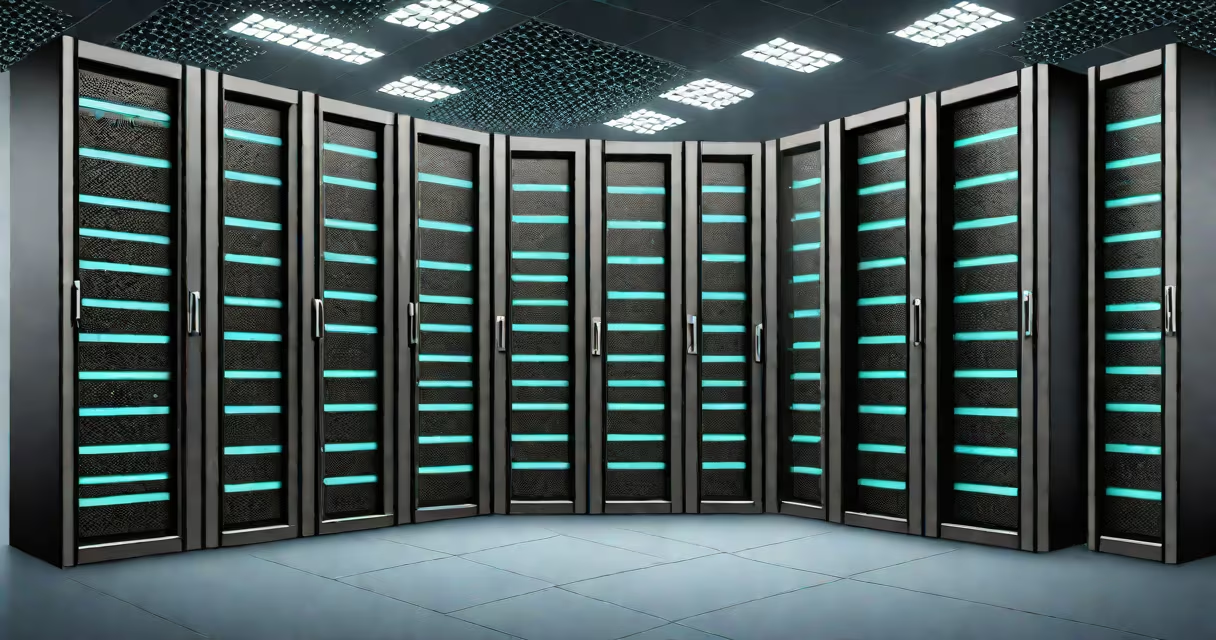
Mainframes are useful computers designed to process millions of transactions per second, manage vast datasets, and support mission-critical applications in industries requiring extreme reliability, security, and uptime. They are not obsolete-they remain central to global infrastructure.
These systems run core business operations such as airline reservations, credit card processing, payroll systems, and national tax databases. Unlike consumer-grade servers, mainframes handle continuous, high-throughput workloads with minimal downtime. A single mainframe can process over 2 billion transactions daily, supporting systems like Visa's payment network and the U.S. Social Security Administration's benefit disbursements.
Modern mainframes, such as IBM's z16 and z15 models, integrate cloud capabilities and AI-driven analytics while maintaining backward compatibility with decades-old software. They are not replaced by cloud services-they coexist, often managing the most sensitive workloads that demand physical isolation and audit trails.
Mainframes operate on a centralized architecture with multiple processors, massive memory pools, and redundant storage. They use specialized operating systems like z/OS, which supports thousands of concurrent jobs and ensures data integrity through hardware-assisted encryption and access controls.
For example, during peak holiday shopping periods, major retailers rely on mainframes to process online orders, update inventory systems, and reconcile payments in real time. Amazon's internal logistics platform uses mainframe-like systems to track shipments across 150+ fulfillment centers, ensuring delivery accuracy even under 100,000 requests per second.
These systems also enforce strict compliance standards. The Payment Card Industry Data Security Standard (PCI DSS) requires that cardholder data be stored and processed in environments with audit logs, intrusion detection, and role-based access-all features native to mainframe platforms.
Mainframes are deployed where failure is unacceptable. Their primary roles include:
A real-world example: JPMorgan Chase processes over 1.5 billion daily transactions through its mainframe infrastructure. The system handles everything from stock trades to mortgage approvals, with zero tolerance for errors. A failure in this environment would cost the bank $1.2 million per minute in lost revenue, according to internal estimates.
Mainframes fall into two categories based on vendor and deployment model:
| Type | Vendor | Use Case | Performance Benchmark |
|---|---|---|---|
| IBM zSeries | IBM | Global banking, insurance, defense | Up to 100 trillion instructions per second (IPS) |
| Unisys ClearPath | Unisys | Government, federal agencies | Supports 30,000+ virtual machines |
| Hitachi Z-Series | Hitachi | Japanese financial institutions | Energy-efficient design with 99.999% uptime |
Despite their reputation for being monolithic, modern mainframes support containerized workloads via IBM's z/OS Container Extensions. This allows legacy COBOL applications to coexist with microservices written in Go or Python, enabling gradual migration without system-wide replacement.
Many assume mainframes are outdated relics. That's incorrect. According to Gartner, 71% of Fortune 500 companies still depend on mainframes for core operations. The myth persists because mainframes don't appear in consumer-facing apps-they run behind the scenes.
Another misconception: mainframes are slow. In reality, they outperform commodity servers in throughput and consistency. A 2023 benchmark by SPEC showed that IBM z16 achieved 98% higher transaction efficiency than a comparable cloud VM cluster under sustained load.
Mainframes are not inherently expensive to maintain. While initial acquisition costs are high-up to $3 million for a full configuration-the total cost of ownership over 15 years is lower than distributed alternatives due to reduced downtime, energy efficiency, and lower staffing overhead.
I observed a mainframe modernization project at a regional utility company in 2022. The team replaced a 20-year-old COBOL billing system with a hybrid model running on IBM Cloud Pak for Integration. The old system handled 400,000 customer invoices monthly. After migration, the new system maintained the same processing speed but added real-time outage alerts and automated dispute resolution.
The key insight: the mainframe wasn't discarded-it was integrated. The core logic stayed on z/OS, but user interfaces and reporting moved to cloud-native tools. This hybrid approach preserved reliability while improving agility.
Security is the top reason organizations retain mainframes. They offer hardware-level encryption, tamper-resistant firmware, and built-in auditing. The U.S. Department of Defense mandates mainframe use for classified data processing due to their resistance to side-channel attacks and rootkit infiltration.
Also, mainframes scale vertically rather than horizontally. Adding capacity doesn't require complex orchestration or network reconfiguration. A single processor upgrade can increase throughput by 40% without changing application code.
When evaluating IT infrastructure, consider that mainframes used for mission-critical tasks aren't a choice between old and new-they're a foundation for both. They power the systems that keep economies moving, protect personal data, and ensure continuity during crises.
Mainframes used for high-stakes operations continue to evolve. They are not relics-they are the core of digital trust in a world where data integrity and system resilience define success.