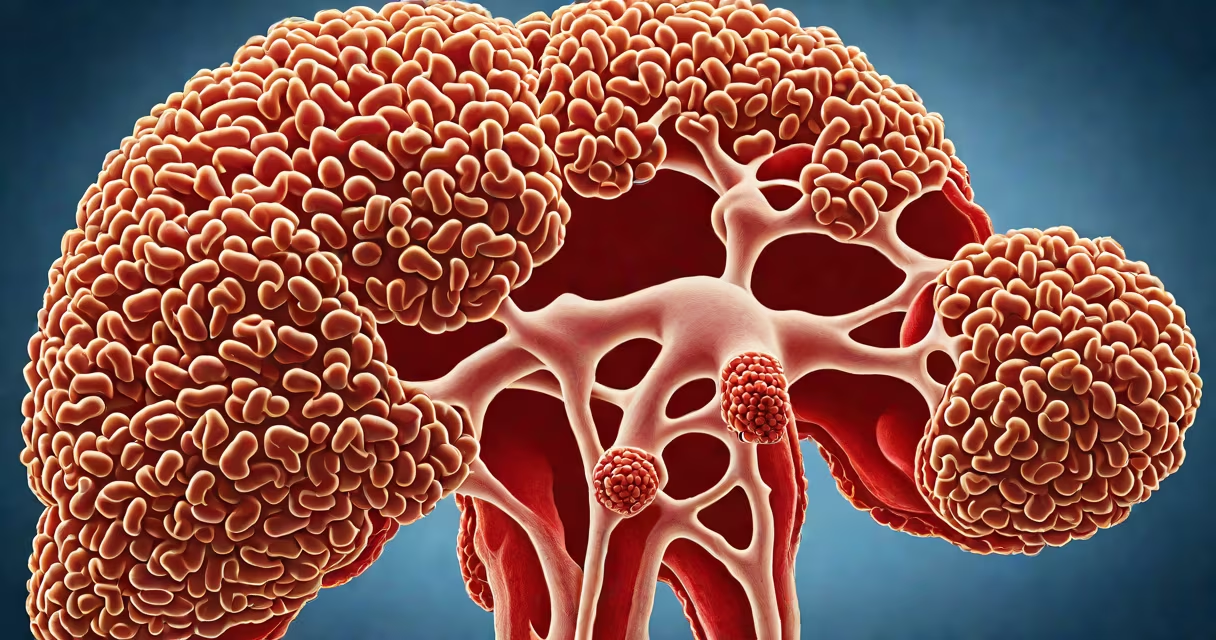
Pheochromocytoma symptoms stem from excess adrenaline production by a rare adrenal tumor, causing episodic high blood pressure, severe headaches, excessive sweating, and rapid heart rate. These episodes often last minutes to hours and can mimic panic attacks or cardiac events.
These tumors arise in the adrenal medulla, the inner part of the adrenal glands above the kidneys. They secrete catecholamines-primarily epinephrine and norepinephrine-into the bloodstream. This hormonal surge triggers acute cardiovascular and metabolic responses. Most cases occur in adults aged 30 to 60, though they can appear at any age.
According to the National Institutes of Health (NIH), pheochromocytomas affect approximately 1 in 100,000 people annually. About 10% are malignant, and up to 40% are associated with inherited genetic syndromes such as MEN2, von Hippel-Lindau disease, or neurofibromatosis type 1. Early detection is critical because untreated cases carry a high risk of stroke, heart failure, or sudden death.
Symptoms typically present in paroxysms-sudden, intense episodes lasting 10 minutes to several hours. The most common symptom is severe hypertension, often exceeding 180/120 mmHg during attacks. Blood pressure may normalize between episodes, making diagnosis difficult.
Episodes frequently begin with a pounding headache, described as "thunderclap" in intensity. Patients report feeling hot, experiencing cold sweats, trembling, and a sense of impending doom. Palpitations and chest pain are common, leading many to seek emergency care. A 2021 study in *Endocrine Practice* found that 78% of patients reported at least three of these symptoms during their first episode.
Other manifestations include anxiety, nausea, fatigue, and weight loss despite normal appetite. Some individuals develop hyperglycemia due to adrenaline's effect on glucose metabolism. Rarely, patients present with unexplained heart failure or arrhythmias. The variability in presentation leads to misdiagnosis in up to 60% of cases, according to the American Association of Clinical Endocrinologists (AACE).
Because symptoms resemble panic attacks, migraines, or cardiac ischemia, pheochromocytoma is often overlooked. A patient may be prescribed anti-anxiety medication, which can worsen hypertension. The condition is sometimes mistaken for essential hypertension, especially if episodes are infrequent or mild.
One key differentiator is the episodic nature of symptoms. Unlike chronic hypertension, pheochromocytoma-related spikes are transient and often triggered by stress, movement, or eating. A 2019 case series in *The Journal of Clinical Endocrinology & Metabolism* highlighted that 30% of patients had symptoms only during physical exertion or emotional stress.
Pheochromocytomas are classified by location and hormone secretion profile:
| Type | Hormone Dominance | Typical Symptoms | Prevalence |
|---|---|---|---|
| Epinephrine-dominant | Epinephrine | Palpitations, tremors, anxiety, flushing | ~30% |
| Norepinephrine-dominant | Norepinephrine | Severe hypertension, sweating, cold extremities | ~50% |
| Dual-secreting | Both | Mixed features, variable presentation | ~20% |
Most tumors are unilateral, occurring in one adrenal gland. Bilateral tumors suggest hereditary syndrome. Extra-adrenal pheochromocytomas-called paragangliomas-can occur along sympathetic nerves, especially in the abdomen or pelvis. These are more likely to be malignant and harder to locate.
A non-obvious fact: some patients experience hypotension during attacks. This paradoxical drop in blood pressure occurs when the body's compensatory mechanisms fail. It's rare but life-threatening and requires immediate intervention.
Diagnosis begins with biochemical testing. Plasma free metanephrines or 24-hour urine fractionated metanephrines are the most sensitive tests. A positive result requires imaging-CT or MRI-to locate the tumor. Functional imaging with MIBG scintigraphy or PET scans using F-18 fluorodopamine can detect extra-adrenal or metastatic disease.
Consider this case: a 42-year-old woman presented with recurrent episodes of severe headache, dizziness, and palpitations lasting 20-30 minutes. Her blood pressure spiked to 220/130 mmHg during visits. She had no history of anxiety or heart disease. Initial workup showed elevated plasma metanephrines. CT scan revealed a 4 cm mass on the left adrenal gland. After surgical removal, her blood pressure normalized and symptoms resolved.
Without testing, this case might have been labeled as essential hypertension or panic disorder. The key was recognizing the episodic pattern and ordering specific hormone assays.
Genetic counseling is recommended for patients under 40, those with bilateral tumors, or a family history of related syndromes. Treatment involves surgical resection of the tumor, preceded by alpha-blockade to prevent intraoperative hypertensive crises. Beta-blockers are added only after alpha-blockade to avoid unopposed vasoconstriction.
Early recognition of symptoms of pheochromocytoma prevents complications and improves survival. The condition is treatable, but delays in diagnosis increase morbidity and mortality. Awareness of the episodic nature of symptoms and the role of hormone testing is essential for accurate identification.