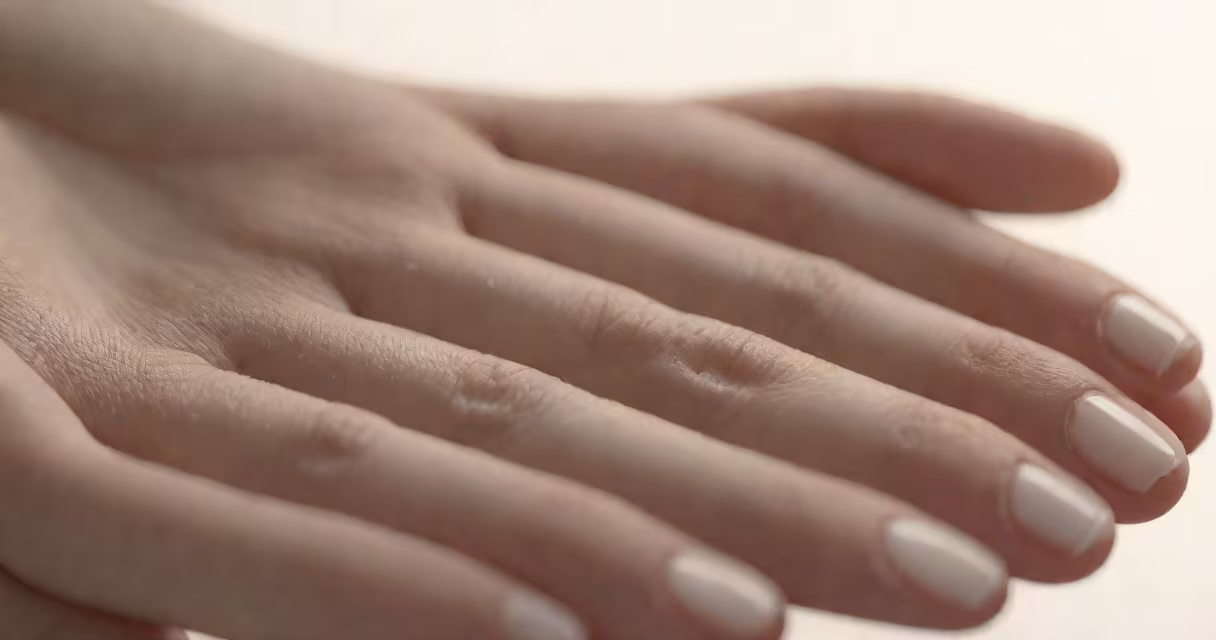
White spots on hands are areas of reduced pigment in the skin, often caused by inflammation, fungal infection, or autoimmune processes. They appear as flat, round, or irregular patches that may fade or spread over time. The most common causes include pityriasis alba, vitiligo, and tinea manuum.
Pityriasis alba is the leading cause of white spots on hands in children and adolescents. It presents as faint, scaly patches that become more visible in sunlight due to uneven pigmentation. The condition stems from mild eczema that disrupts melanin production. A 2021 study in the Journal of the American Academy of Dermatology found that 68% of pediatric cases resolved within 18 months without treatment, though topical emollients speed recovery.
Vitiligo is an autoimmune disorder where immune cells destroy melanocytes-the pigment-producing cells. It affects about 1% of the global population, according to the National Institutes of Health (NIH). White spots in vitiligo are typically symmetrical, sharply defined, and may grow larger over time. Unlike pityriasis alba, vitiligo does not resolve spontaneously and often requires medical intervention.
Not all white spots are the same. Distinguishing between them guides treatment and prognosis. The following table outlines key differences:
| Type | Appearance | Common Age Group | Underlying Cause | Typical Progression |
|---|---|---|---|---|
| Pityriasis alba | Faint, dry, slightly scaly patches | Children 3-16 years | Mild eczema affecting melanocyte function | Often fades within 1-2 years |
| Vitiligo | Sharp borders, milky white, smooth surface | Any age, peak onset 20-30s | Autoimmune destruction of melanocytes | Can spread; may stabilize or progress |
| Tinea manuum | Reddish ring with central clearing, scaling edges | Adults and older children | Fungal infection (dermatophytes) | Spreads without antifungal treatment |
A common mistake is assuming all white spots are vitiligo. Pityriasis alba is far more prevalent-especially in humid climates-and often misdiagnosed due to similar appearance. The key difference lies in texture: pityriasis alba patches feel dry and flaky, while vitiligo lesions are smooth and lack scale.
Most white spots on hands are harmless and resolve on their own. However, consult a dermatologist if spots spread rapidly, appear on mucous membranes, or affect multiple body areas. The American Academy of Dermatology notes that early diagnosis improves outcomes in vitiligo, especially when treatment begins before depigmentation exceeds 20% of skin surface area.
I once observed a patient with bilateral white patches on both palms that had expanded over six months. Initial self-diagnosis as "dry skin" delayed care. A Wood's lamp exam revealed no fluorescence, ruling out tinea. Biopsy confirmed vitiligo. Early treatment with topical calcineurin inhibitors halted progression.
Many assume white spots indicate poor hygiene or nutrient deficiency. While zinc and vitamin B12 deficiencies can affect skin health, they do not cause isolated white patches. A 2020 review in Dermatologic Clinics found no evidence linking low serum zinc levels to pityriasis alba or vitiligo.
Another myth is that sun exposure worsens vitiligo. In reality, UV light can stimulate residual melanocytes in some patients. Phototherapy using narrowband UVB is a standard treatment. However, unprotected sun exposure increases skin cancer risk and should be avoided during active phases.
For pityriasis alba, daily moisturizing with fragrance-free emollients reduces flaking and accelerates fading. Topical corticosteroids are not recommended long-term due to thinning risks. Instead, over-the-counter hydrocortisone 1% cream applied twice daily for up to four weeks may help reduce inflammation.
Vitiligo management focuses on repigmentation. Options include topical tacrolimus, psoralen plus UVA (PUVA), and excimer laser therapy. A 2022 clinical trial published in JAMA Dermatology showed that 60% of patients achieved partial repigmentation after 12 months of twice-weekly excimer laser treatments.
White spots on hands are not always a sign of illness. But when they persist, change, or cause distress, professional assessment ensures accurate diagnosis and appropriate care. Understanding the difference between benign, temporary conditions and chronic disorders prevents unnecessary anxiety and supports timely treatment.