A heat pump runs exclusively on electricity. It uses electrical power to move thermal energy from one location to another, rather than generating heat through combustion. This fundamental reliance on electricity defines its operation, efficiency, and environmental impact.
Unlike furnaces or boilers that burn natural gas, oil, or propane, a heat pump does not produce heat directly. Instead, it functions like a refrigerator in reverse: it extracts warmth from outdoor air, ground, or water and transfers it indoors during winter. In summer, it reverses the process, pulling heat from inside a home and releasing it outdoors. This transfer relies entirely on electrically powered components.
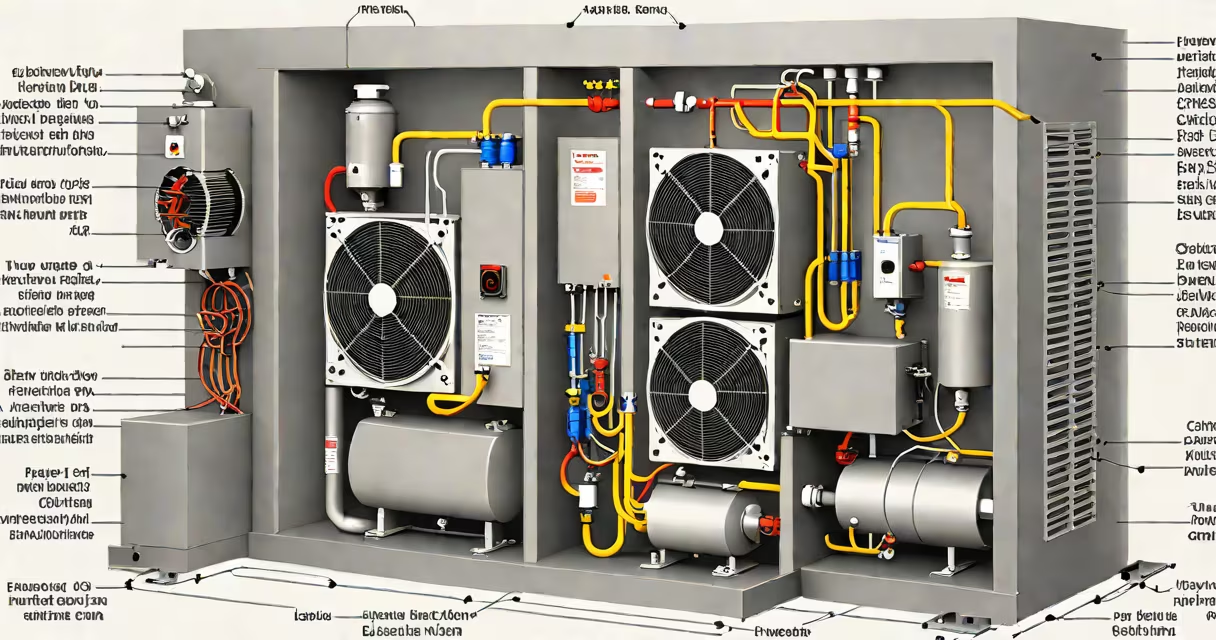
The core system includes a compressor, condenser, evaporator, and expansion valve-all driven by electric motors. The refrigerant circulates through these components, absorbing and releasing heat based on pressure changes controlled by the electrical system. Without continuous electrical input, the entire heat exchange process stops.
Heat pumps operate via a vapor-compression refrigeration cycle. Electricity powers the compressor, which pressurizes the refrigerant, raising its temperature. The hot, high-pressure refrigerant flows into the condenser coil, where it releases heat into indoor air. After passing through an expansion valve, the refrigerant cools and turns into a low-pressure liquid. It then absorbs heat from the outside environment in the evaporator coil, completing the loop.
This cycle repeats continuously as long as the thermostat calls for heating or cooling. The efficiency of this process is measured by the coefficient of performance (COP), which can exceed 3.0-meaning for every 1 kWh of electricity consumed, the system delivers 3 kWh of heating or cooling energy. High COP values depend entirely on consistent electrical supply and optimized system design.
For example, a typical 3-ton air-source heat pump running in heating mode may draw 2.4 kW of electrical power while delivering 7.2 kW of heat output. That's a COP of 3.0. If the electricity comes from solar panels, the system produces zero direct emissions. But if the grid relies on coal, the carbon footprint increases accordingly.
Each major component in a heat pump requires electricity:
These components work together under precise timing controlled by a microprocessor. A failure in any single electrical element can halt the entire system. For instance, a tripped circuit breaker or blown fuse will stop the compressor, rendering the heat pump unable to transfer heat.
While all heat pumps run on electricity, the source of thermal energy varies by type:
| Type | Heat Source | Efficiency Range (COP) | Best Climate |
|---|---|---|---|
| Air-source | Outdoor air | 2.5-4.0 | Mild to moderate climates |
| Ground-source (geothermal) | Subsurface earth | 3.5-5.0 | Widespread, especially cold regions |
| Air-water | Outdoor air | 2.8-3.8 | Regions with moderate winters |
| Water-source | Lake, river, or well water | 3.0-4.5 | Areas near large water bodies |
Ground-source systems achieve higher COPs because underground temperatures remain stable year-round. They still require electricity-but less of it-to move heat compared to air-source models. According to the U.S. Department of Energy, geothermal heat pumps use 25-50% less electricity than conventional systems for the same level of comfort.
A heat pump cannot run on gas, solar thermal, or biomass. While solar panels can generate the required electricity, the heat pump itself remains dependent on electric current. Solar thermal systems heat water directly and are not compatible with standard heat pump designs unless integrated with a hybrid system.
Many people assume heat pumps "create" heat, but they don't. They move existing thermal energy. This misunderstanding leads to confusion about their efficiency. A common error is thinking that since heat pumps use electricity, they're inherently inefficient. But in reality, they deliver more energy output than input due to the heat transfer mechanism.
Another misconception is that heat pumps fail in cold weather. While performance drops below freezing-especially for air-source models-modern units with variable-speed compressors and defrost cycles maintain functionality down to -15°C (5°F). The U.S. Environmental Protection Agency notes that many certified heat pumps meet ENERGY STAR standards even in climates with average January temperatures below 0°C.
For example, a 2022 study by the National Renewable Energy Laboratory found that air-source heat pumps in Minnesota maintained a COP above 2.0 at -10°C, demonstrating viability in cold climates when properly sized and installed.
Consider a 2,000 sq ft home in Portland, Oregon, using a 24,000 BTU/h air-source heat pump. The system operates at a COP of 3.2 during winter. To maintain 70°F indoors, it draws 7.5 kWh of electricity per day. Over a month with 30 days, that totals 225 kWh.
At an average U.S. electricity rate of $0.15/kWh, monthly heating costs amount to $33.75. Compare this to a natural gas furnace with 95% efficiency: the same home would spend about $75/month on gas at $1.20 per therm. The heat pump reduces energy costs by nearly 55% and eliminates on-site emissions.
Even in colder months, the system uses auxiliary electric resistance heat only when outdoor temperatures drop below -7°C (20°F). This backup mode increases energy use but activates rarely-typically less than 10% of the time.
Electricity is not just the fuel-it's the enabler of smart controls, variable speed operation, and integration with renewable sources. Modern heat pumps use inverters to modulate compressor speed, adjusting output precisely to match demand. This avoids the on-off cycling seen in older models, reducing wear and improving comfort.
When paired with rooftop solar, a heat pump becomes a near-zero-emission heating solution. The U.S. Department of Energy estimates that homes with solar panels and heat pumps reduce annual CO₂ emissions by 2.5 tons compared to gas furnaces.
Understanding that a heat pump runs on electricity clarifies its role in decarbonizing home heating. Its efficiency, scalability, and compatibility with clean grids make it a central technology in reducing building-related emissions worldwide.