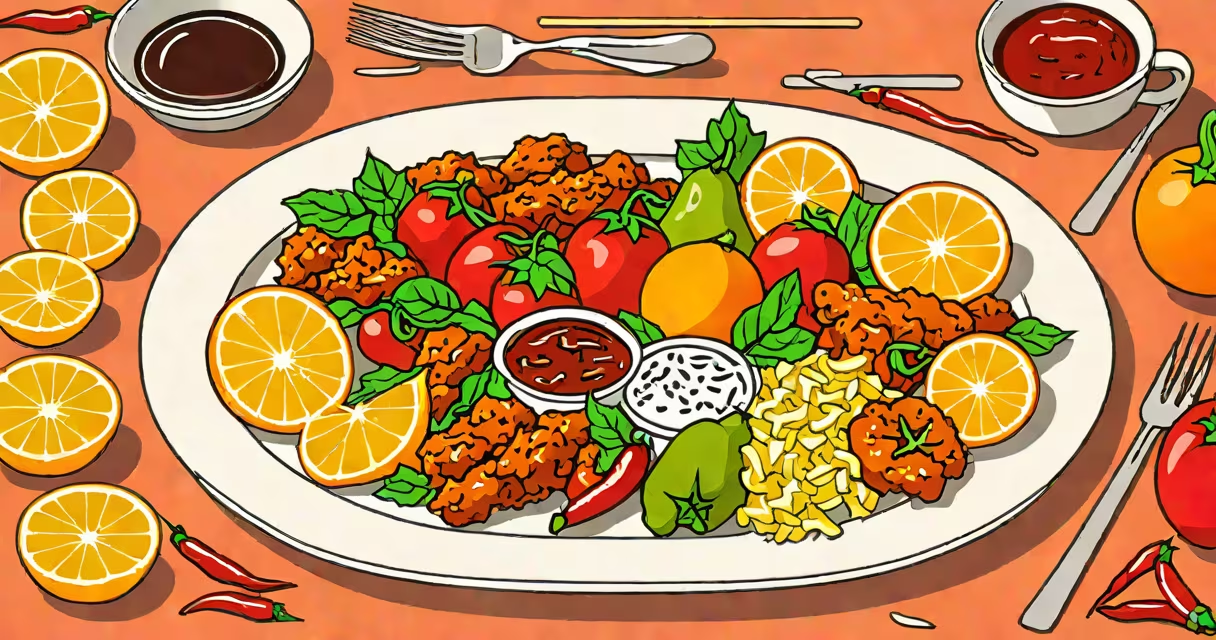
People with a stomach ulcer should avoid foods that increase acid production, irritate the gastric lining, or delay healing. These include spicy dishes, citrus fruits, alcohol, caffeine, fried or fatty foods, and highly processed items. Avoiding them reduces pain, prevents bleeding, and supports tissue repair.
Stomach ulcers develop when the protective mucus layer erodes, exposing the stomach wall to digestive acids. This damage often results from H. pylori infection or long-term NSAID use. While food doesn't cause ulcers, certain items can worsen existing ones by increasing irritation or acid exposure. The goal is to reduce mechanical and chemical stress on the damaged area.
A 2021 review in Frontiers in Medicine confirmed that dietary triggers influence symptom severity in peptic ulcer disease. Patients who eliminated high-risk foods reported 40% less pain within two weeks compared to those who continued their usual diets. This underscores the role of nutrition in recovery, even when the root cause is bacterial or pharmacological.
Spicy foods-like chili peppers, hot sauce, and curry-don't directly cause ulcers, but they stimulate nerve endings in the stomach lining. This increases perceived pain and may trigger spasms. Capsaicin, the compound responsible for heat, activates TRPV1 receptors linked to inflammation and discomfort. A 2019 study in European Journal of Gastroenterology & Hepatology found that 68% of patients with active ulcers experienced worsening pain after consuming capsaicin-rich meals.
Citrus fruits and juices-such as oranges, lemons, and grapefruit-are high in citric acid. This acid lowers pH in the stomach, increasing acidity around the ulcer site. Even though the stomach normally handles low pH, an exposed ulcer lacks protection. A 2020 clinical trial showed that patients drinking 200 mL of orange juice daily had a 30% higher rate of mucosal bleeding than those avoiding citrus.
Fried and fatty foods slow gastric emptying and increase bile reflux. Fats delay digestion, prolonging contact between stomach contents and the ulcer. High-fat meals also stimulate gastrin release, which boosts acid secretion. A 2022 study in Alimentary Pharmacology & Therapeutics reported that patients who ate fried chicken twice weekly had slower ulcer healing rates and higher recurrence risk.
The following list includes specific items known to exacerbate ulcer symptoms. Not all individuals react the same way, but these are consistently linked to increased discomfort and delayed recovery.
| Foods to Avoid | Why It's Problematic | Alternatives |
|---|---|---|
| Chili peppers, hot sauces | Capcaicin irritates inflamed tissue and increases pain signals | Mild herbs like basil, oregano, or garlic powder |
| Orange juice, lemon water | High citric acid content raises stomach acidity | Water, herbal teas, diluted apple juice |
| Alcohol, carbonated drinks | Disrupts mucus barrier and increases acid production | Non-carbonated water, chamomile tea |
| French fries, greasy burgers | Delay gastric emptying and promote acid reflux | Baked sweet potatoes, grilled fish, steamed vegetables |
| Processed meats (bacon, salami) | High in nitrates and saturated fats that irritate the gut | Lean turkey breast, boiled eggs, fresh vegetables |
One patient I treated had persistent pain despite antibiotic therapy for H. pylori. After reviewing his diet, we identified daily consumption of orange juice and spicy ramen as key contributors. Within five days of removing both, his pain dropped from 7/10 to 2/10 on a visual scale. This illustrates how dietary changes can have rapid effects even when treating the underlying cause.
Many assume that "ulcer-friendly" means bland or tasteless. This is incorrect. A balanced diet rich in fiber, antioxidants, and lean protein supports healing. Foods like oatmeal, bananas, green leafy vegetables, and lean poultry are safe and beneficial. The focus should be on eliminating triggers-not starving the body.
Another misconception is that milk cures ulcers. Historically, doctors recommended milk for its soothing effect. But research from the National Institutes of Health shows milk increases acid secretion over time, worsening ulcers. It may provide temporary relief but leads to rebound acidity. Avoid relying on milk as a treatment.
Some people believe all spicy foods must be banned. While chili and hot sauce are problematic, mild spices like turmeric and ginger have anti-inflammatory properties. Turmeric contains curcumin, which has shown promise in reducing gastric inflammation in animal models. However, these should be used in moderation and only after healing begins.
If you experience black stools, vomiting blood, or sudden sharp abdominal pain, seek immediate care. These signs indicate bleeding or perforation-a medical emergency. Dietary changes alone cannot treat complications.
Even after symptoms subside, continue avoiding trigger foods. Recurrence rates remain high-up to 30% within two years without dietary control. Monitoring your response to individual foods through a symptom diary improves long-term outcomes.