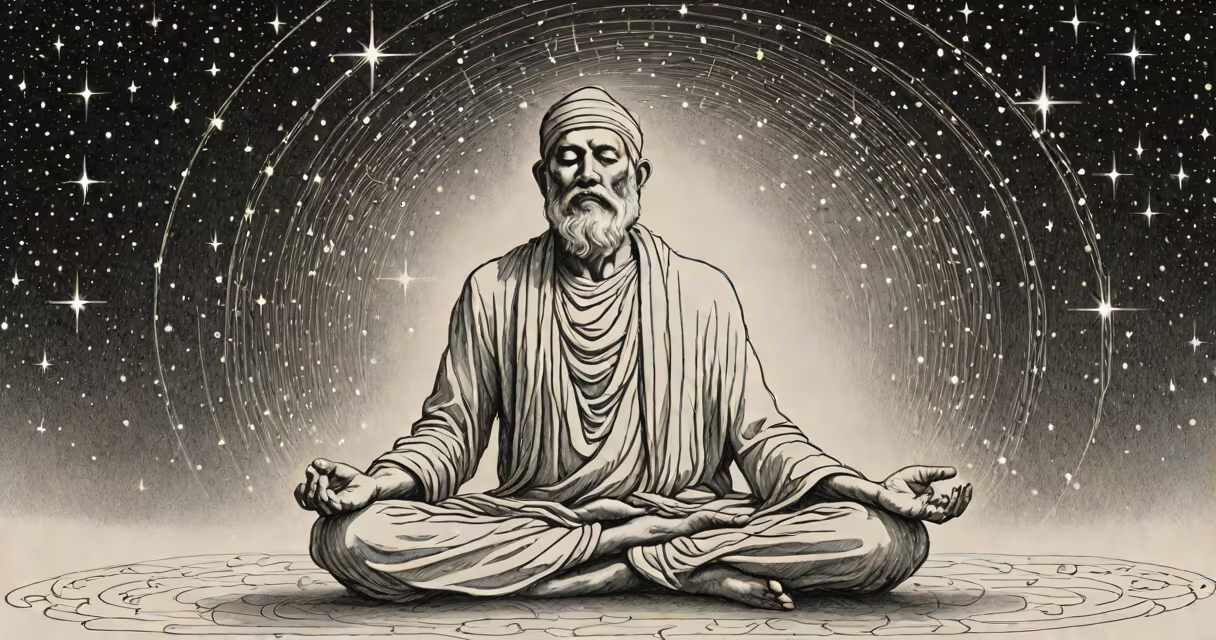
Who are your spirit guides? They are non-physical entities believed to assist individuals on their spiritual path through intuition, dreams, synchronicities, and inner knowing. These beings are not bound by time or space and may include ascended masters, animal totems, ancestral spirits, or energetic forms from higher realms.
Spirit guides are central to many metaphysical traditions, particularly those rooted in New Age philosophy, shamanism, and energy work. They are not deities, nor are they human souls in disguise. Instead, they exist as focused consciousnesses dedicated to support, protection, and teaching. Their role is not to control decisions but to nudge awareness toward alignment with one's highest good.
According to the Association for Transpersonal Psychology, spiritual guidance is often experienced as "a quiet inner voice, a sudden insight, or a feeling of being watched over during times of crisis." This aligns with reports from practitioners who describe receiving guidance through dreams, recurring numbers, or unexpected encounters with animals.
They operate beyond physical senses. There is no scientific evidence for their existence, but within belief systems, they communicate through subtle signals rather than audible speech. Common methods include:
A 2019 survey by the Institute for Research on Unlimited Love found that 68% of respondents who identified as spiritually inclined reported experiencing what they described as "spiritual guidance" during periods of personal transition. Many described it as a sense of calm certainty when making life choices, especially during health crises, career shifts, or grief.
For example, someone facing a job change might repeatedly notice a blue jay near their window. After researching, they learn that in Native American tradition, the blue jay symbolizes communication and assertiveness. This pattern, combined with a growing sense of confidence, leads them to apply for a leadership role they previously avoided.
While all spirit guides are considered non-physical, different traditions assign distinct origins. Not all belief systems agree on their nature, but several categories appear consistently across cultures and texts.
| Type | Origin/Description | Common Sign |
|---|---|---|
| Ascended Masters | Human souls who have achieved enlightenment and remain in service. Often linked to figures like Jesus, Buddha, or Saint Germain. | Warmth in the chest, sudden clarity during meditation. |
| Ancestral Spirits | Deceased relatives or lineage members offering wisdom based on lived experience. | Recurring family stories, dreams involving ancestors. |
| Animal Totems | Animals whose traits reflect qualities needed at a given time. Found in shamanic traditions. | Seeing the same animal multiple times in different settings. |
| Elemental Beings | Energy forms tied to earth, water, fire, or air. Often associated with nature-based practices. | Feeling drawn to certain landscapes or weather patterns. |
One non-obvious distinction: not all spirit guides are benevolent. Some belief systems, such as those in African diasporic religions, acknowledge spirits that test or challenge individuals to provoke growth. These are not malevolent but serve as catalysts for transformation.
In my own practice, I once worked with a client who kept dreaming of a woman in a red coat walking through fog. She felt uneasy until she researched the symbolism of red in Celtic tradition-associated with courage and rebirth. The dream persisted for three weeks. Eventually, she left a toxic relationship and began a healing process. The vision wasn't literal, but it mirrored her internal shift.
Confusion arises because the term "spirit guide" overlaps with other concepts. Clarifying differences prevents misinterpretation.
First, spirit guides are not angels. While both are non-physical, angels are typically seen as messengers in Abrahamic faiths, assigned specific divine tasks. Spirit guides are more personalized and less hierarchical. As noted in *The Power of Now* by Eckhart Tolle, "The inner voice is not a command-it is a reminder of what you already know."
Third, they are not hallucinations. People reporting experiences with spirit guides often describe consistency and reliability over time. The phenomenon is not random but appears to follow emotional or psychological turning points. The National Institute of Mental Health states that persistent auditory or visual hallucinations unrelated to cultural context may indicate clinical conditions-but this does not apply to symbolic, contextually meaningful experiences.
Recognition begins with attention. You don't summon spirit guides through force. You invite them through openness, stillness, and willingness to listen.
Start with daily quiet moments. Sit in silence for five minutes. Focus on your breath. Ask gently: "Show me what I need to see." Do not expect answers. Wait. Observe. Note sensations, images, or emotions that arise.
Keep a journal. Record dreams, odd coincidences, or sudden insights. Over time, patterns emerge. For instance, if you keep seeing the number 11:11, research its symbolic meaning across cultures. It's associated with spiritual awakening in numerology and appears frequently in accounts of people entering new phases of life.
When you feel guided, act with trust-not blind obedience. A true sign doesn't demand action. It offers clarity. If a decision feels aligned with peace and purpose, it may be a signal.
Some people use rituals like lighting candles, placing crystals, or using incense to create sacred space. But the most consistent factor across spiritual traditions is sincerity. As the *Tao Te Ching* says, "The Master lets things take their course. He does not force. He does not push. He waits."
Who are your spirit guides? They are the quiet voices behind your best ideas, the comfort in hard moments, the unexpected sign that makes you pause. They are not proof of anything-but they are a structure for meaning, presence, and inner direction.