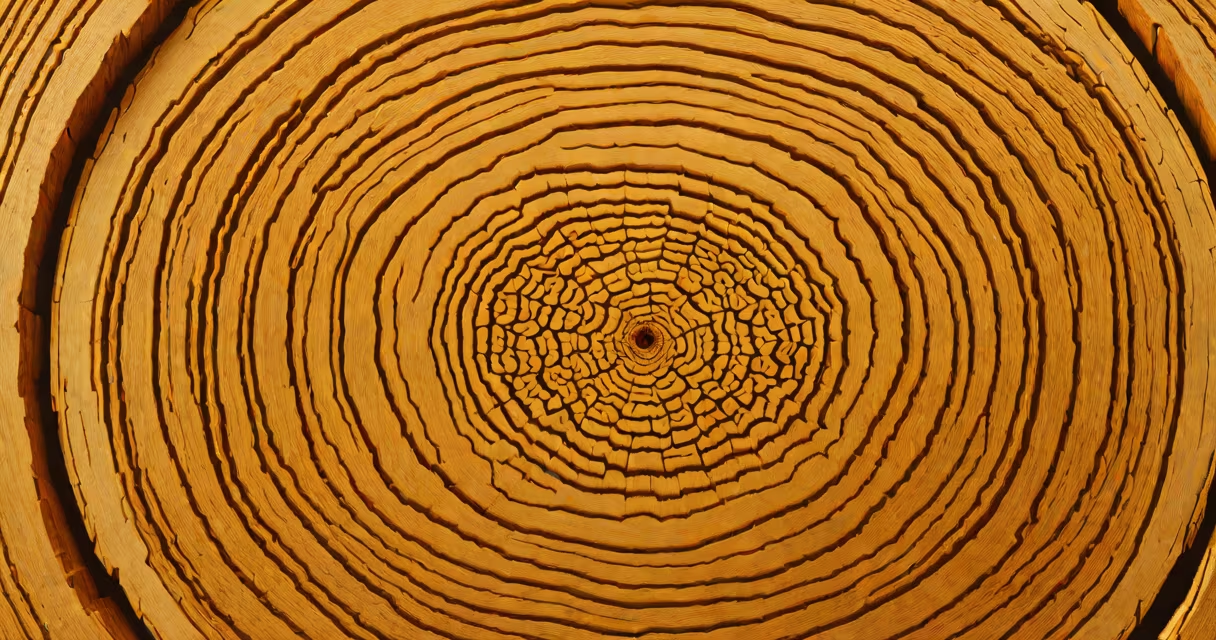
Wood is a renewable resource because trees can regrow after harvest, provided they are replanted and managed sustainably. Unlike fossil fuels, which take millions of years to form, trees regenerate within decades under proper conditions.
Forests naturally renew through seed dispersal, sprouting, and growth. When harvested responsibly, forests replace themselves within a human timescale. This regeneration capacity distinguishes wood from finite resources like coal or oil.
The U.S. Forest Service reports that U.S. forest area has remained stable since 1950, despite increased timber use. This stability results from active reforestation and natural regrowth. In 2022, the U.S. planted over 1.2 billion seedlings annually, ensuring continuous forest cover.
Tree growth follows a predictable cycle: germination, sapling stage, maturity, and eventual harvest. After felling, many species regenerate via root systems or seed banks. Species like eastern white pine and Douglas fir often grow back quickly in their native ranges.
Reforestation is key. After logging, landowners or agencies plant seedlings to restore forest cover. The U.S. Department of Agriculture mandates that at least 60% of harvested areas receive new plantings within five years. This ensures replacement rates exceed removal rates.
For example, in Oregon's Cascade Range, clear-cut areas are replanted with western hemlock and Sitka spruce. Within 20 years, these stands reach commercial maturity. This cycle supports both ecological function and industrial demand.
Not all wood sourcing is equal. Certification programs verify responsible harvesting. The Forest Stewardship Council (FSC) certifies forests meeting strict environmental and social standards. FSC-certified wood comes from operations that protect biodiversity, maintain soil health, and respect indigenous rights.
Another standard is the Sustainable Forestry Initiative (SFI), which focuses on conservation, worker safety, and sustainable yield. SFI-certified mills track wood origin and limit waste. Over 90% of U.S. timberland is now managed under SFI or FSC principles.
| Type | Regeneration Time | Certification Standard | Common Use |
|---|---|---|---|
| Pine (softwood) | 20-30 years | FSC, SFI | Construction framing, paper |
| Oak (hardwood) | 60-100 years | FSC, SFI | Furniture, flooring |
| Bamboo (grass, not tree) | 3-5 years | FSC, Rainforest Alliance | Building materials, textiles |
Some hardwoods take longer to mature, but their slow growth doesn't negate renewability. As long as harvests don't exceed growth rates, the system remains balanced. A 2021 study by the University of Washington found that certified forests in the Pacific Northwest had higher carbon sequestration and lower erosion than unmanaged sites.
People often confuse "renewable" with "infinite." Wood is renewable, but not limitless. Overharvesting leads to deforestation, habitat loss, and soil degradation. The Amazon rainforest lost 13,000 km² of tree cover between 2000 and 2020, largely due to illegal logging and agriculture.
Another myth is that all wood comes from old-growth forests. In reality, most U.S. lumber comes from second- or third-growth forests. Old-growth forests make up less than 3% of total forest area in the contiguous U.S., according to the U.S. Geological Survey.
Wood is not renewable simply because it grows back. The process must be monitored. A forest that regenerates slowly but is logged faster than it grows is not sustainable. The key metric is net growth rate versus harvest volume.
In northern Michigan, a 1,200-acre private forest was managed under SFI guidelines. The owner harvested 15% of the stand annually, targeting mature trees. Each year, 10,000 seedlings were planted in cleared zones.
Over 25 years, the forest maintained a stable biomass. Tree density stayed above 120 stems per hectare. Soil nitrogen levels remained consistent. Wildlife populations, including deer and songbirds, did not decline.
This project demonstrates that wood can be renewable when harvests are calibrated to growth. The forest produced 350,000 board feet of lumber annually while maintaining ecological integrity.
Wood is a low-carbon alternative to concrete and steel. A 2020 report by the International Energy Agency found that using wood in construction reduces lifecycle emissions by up to 40% compared to steel frames. Trees absorb CO₂ during growth, storing carbon in their biomass.
When properly managed, wood products continue sequestering carbon for decades. A wooden house can lock away 15 tons of CO₂ over its lifetime. That's equivalent to removing 3,000 cars from the road for one year.
Still, not all wood is equal. Using reclaimed wood or certified sustainably sourced timber minimizes environmental impact. Choosing FSC-certified lumber supports responsible forestry and avoids contributing to illegal logging networks.
I once visited a sawmill in Vermont that processed salvaged timber from storm-damaged trees. The mill used automated sorting and optimized cutting patterns to reduce waste. They reported a 92% material recovery rate-nearly every piece of wood became a usable product. This efficiency shows how renewable sourcing can align with circular economy principles.
While wood is renewable, its sustainability depends on governance, monitoring, and consumer choice. Without oversight, even renewable resources degrade. The solution lies in science-based management and verified certification.