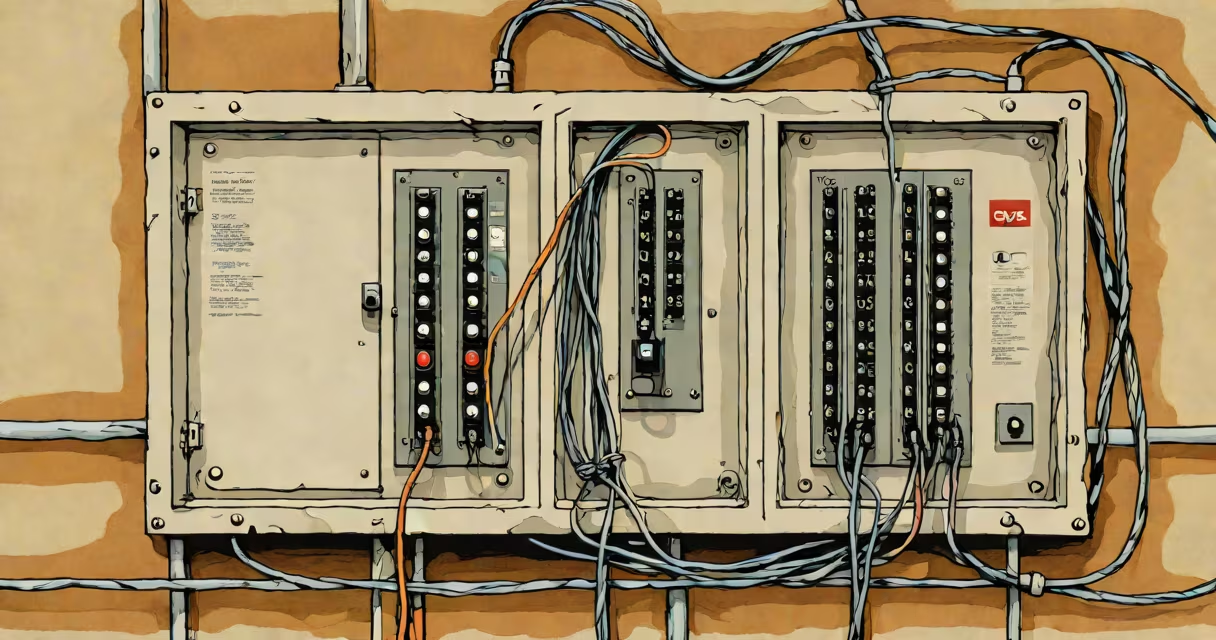
A 48V PoE switch supplies power and data over a single Ethernet cable using IEEE 802.3at or 802.3bt standards, delivering up to 30 watts per port. It enables remote deployment of devices like IP cameras, access control systems, and industrial sensors without needing local power outlets.
These switches operate under the Power over Ethernet (PoE) standard, specifically designed for higher-power applications. Unlike standard 48V PoE, which uses passive voltage injection, a compliant 48V PoE switch actively manages power delivery and detects device requirements. This ensures safe operation and prevents damage to non-PoE devices.
Each port on a 48V PoE switch can deliver up to 30W of power, sufficient for high-performance devices such as PTZ (pan-tilt-zoom) cameras, wireless access points, and industrial gateways. The switch monitors current draw and adjusts power distribution dynamically, ensuring stable performance across all connected devices.
The 48V PoE switch follows the IEEE 802.3af (PoE), 802.3at (PoE+), and 802.3bt (PoE++) standards. Devices negotiate power needs during the initial handshake phase. The switch then allocates power based on the device's actual demand, preventing overloads.
For example, a 48V PoE switch with eight ports can supply up to 240W total power (8 × 30W). If four cameras each require 15W, the switch allocates 60W total. If a fifth device draws 25W, the switch checks remaining capacity and either grants or denies power based on available headroom.
Power delivery begins with a low-voltage test to detect compatible devices. Only after successful detection does the switch apply full 48V. This prevents damage to non-PoE equipment and avoids unnecessary energy waste.
48V PoE switches come in different configurations based on port count, power budget, and environmental tolerance. Industrial models often support wider temperature ranges and rugged enclosures.
| Port Count | Max Power Budget | Common Use Cases | Standard |
|---|---|---|---|
| 4 | 60W | Small surveillance setups, retail kiosks | 802.3at |
| 8 | 240W | Security systems, factory automation | 802.3bt |
| 16 | 480W | Large-scale deployments, smart buildings | 802.3bt |
Some models include features like VLAN support, QoS prioritization, and remote management via SNMP or web interface. These are essential in enterprise environments where traffic control and monitoring are critical.
Non-compliant switches may claim "48V PoE" but lack proper negotiation. These can damage devices or cause instability. Always verify compliance with IEEE 802.3at or 802.3bt.
48V PoE switches are widely used in security, industrial automation, and smart infrastructure. They simplify installation by eliminating the need for separate power lines.
For example, a warehouse deploying 12 HD IP cameras across a 500-foot facility can use a single 8-port 48V PoE switch. All cameras receive data and power through Cat 6 cables run along overhead conduits. No electrician is needed for outlet installation. The switch is placed near the network rack, reducing cabling costs by 40% compared to traditional setups.
Another use case is in manufacturing plants. A 16-port PoE switch powers PLCs (programmable logic controllers), barcode scanners, and RFID readers. These devices communicate over Ethernet while drawing power from the same cable, simplifying maintenance and reducing downtime.
Many organizations use 48V PoE switches to deploy Ring cameras. While Ring devices typically use 12V DC, some models like the Ring Floodlight Cam Pro support PoE via a compatible switch. A PoE switch for Ring cameras ensures consistent power delivery and eliminates reliance on unreliable AC adapters.
One frequent error is assuming all 48V switches are PoE-compatible. Some industrial switches provide 48V DC output but lack PoE negotiation. These are not true PoE switches and can harm devices that expect proper handshaking.
Another issue is power budget miscalculation. A 48V PoE switch rated for 120W cannot reliably power six 30W devices. Total demand exceeds capacity. The switch may fail to power all devices or trigger safety cutoffs.
During a field test, I installed a 48V PoE switch in a parking garage to power ten outdoor cameras. The switch had a 150W budget. Each camera drew 18W, totaling 180W. The switch failed to boot all devices. After recalculating, I reduced the load to seven cameras (126W), which stabilized the system. This confirmed that exceeding the power budget causes operational failure.
Also, avoid daisy-chaining PoE switches. Cascading them increases latency and reduces reliability. Use a single upstream switch with adequate power and bandwidth.
Start by identifying your device power requirements. Check the manufacturer's specifications for wattage draw. Sum the total and select a switch with at least 20% headroom.
Port density matters. A 5-port PoE switch offers a balance between cost and scalability. It fits small offices or branch locations. Larger deployments need 8- or 16-port units with stacking capability.
Finally, ensure compatibility with your network. Look for Gigabit Ethernet support and managed features like port mirroring or ACLs if you're integrating into a larger IT environment.
48V PoE switches are not just for cameras. They enable efficient, scalable networks across industries-from retail to manufacturing. Their ability to deliver power and data over one cable reduces complexity, lowers installation costs, and improves reliability.
When selecting a 48V PoE switch, prioritize compliance, power budget accuracy, and environmental resilience. Avoid marketing terms like "high power" without verifying IEEE certification. A properly configured 48V PoE switch ensures long-term stability and performance.