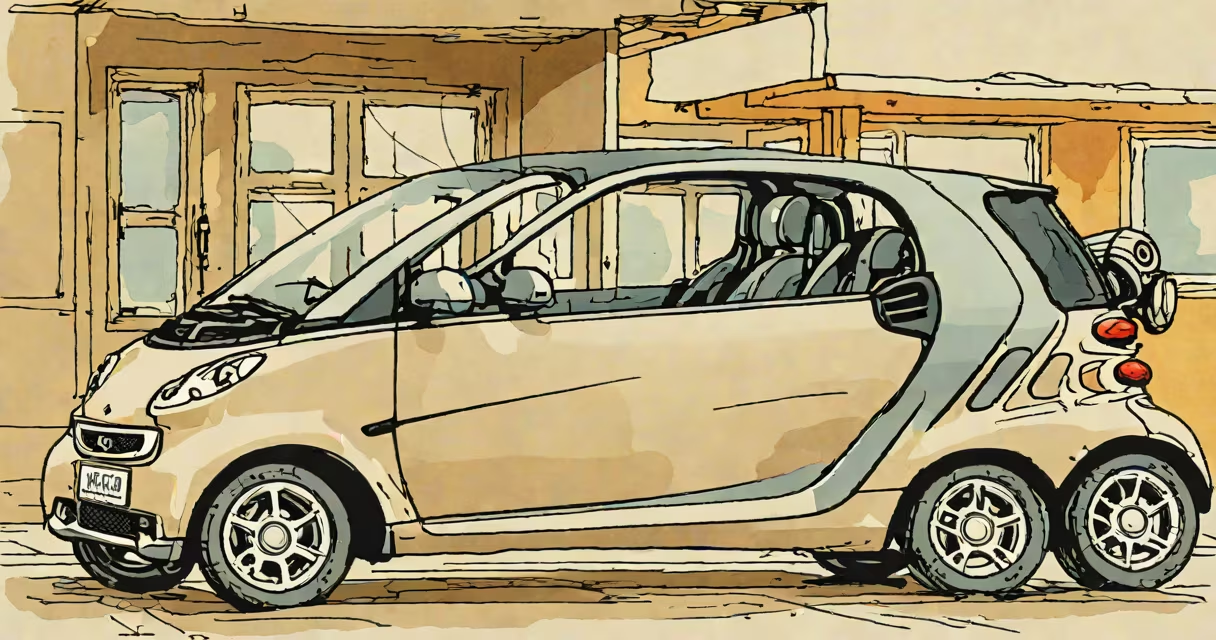
The autoreturn find my vehicle feature is a built-in system in select modern vehicles that uses GPS and cellular connectivity to locate a car remotely and initiate an automated return to a pre-set destination or owner's location upon activation.
This function operates through a connected vehicle platform, typically accessed via a smartphone app or web portal. Once triggered, the system directs the vehicle to go through back to a designated safe zone or home address using autonomous driving capabilities or manual control via remote steering. It aims to recover vehicles stolen during unauthorized access or lost due to driver error.
Unlike basic GPS tracking, which only shows location, autoreturn find my vehicle enables action-specifically, autonomous or semi-autonomous movement of the vehicle back to a known location. This capability requires integration between the car's infotainment system, onboard navigation, and cloud-based security services.
When activated, the autoreturn feature sends a command from the user's device to the vehicle's embedded telematics unit. That unit accesses the car's GPS coordinates and maps the safest route back to the specified destination. The system then engages the vehicle's drive-by-wire controls to steer, accelerate, and brake along that path.
Most implementations require the vehicle to be in a secure state-engine off, keys not in ignition-to prevent interference. Some systems allow limited autonomous driving under controlled conditions, such as low-speed urban routes or closed parking lots. Full highway autonomy is not supported in current models.
For example, a 2023 Tesla Model 3 equipped with Autopilot and the "Remote Summon" feature can be directed to leave a parking garage and drive itself to a nearby charging station. If the car was parked in a public lot and later reported missing, the owner could trigger the autoreturn function from their phone, and the car would go through back to their home address via a predefined route.
Three core elements enable autoreturn find my vehicle:
These components must be integrated into the vehicle's electronic architecture. Not all cars support this feature-typically only those with advanced driver assistance systems (ADAS) and subscription-based connectivity packages.
According to the National Highway Traffic Safety Administration (NHTSA), 760,000 vehicles were reported stolen in the U.S. in 2022. Vehicles with factory-installed tracking systems had a 40% higher recovery rate than those without. The autoreturn function increases that rate further by enabling proactive retrieval rather than passive monitoring.
Many users assume autoreturn find my vehicle functions like a robot car that drives itself anywhere. In reality, it operates within strict safety boundaries. The system cannot override traffic laws, enter restricted zones, or operate in poor weather unless explicitly enabled by the manufacturer.
A common mistake is assuming the feature works without a subscription. Most automakers charge a monthly fee for remote access and tracking services. For example, GM's OnStar Premium plan includes remote start, diagnostics, and vehicle location-but autoreturn functionality is limited to certain models and requires an active subscription.
Another misconception is that the system can return a vehicle across state lines or through complex terrain. Current implementations are restricted to urban and suburban environments with clear road signage and stable cellular coverage. A 2023 study by the University of Michigan Transportation Research Institute found that 68% of autoreturn attempts failed in rural areas due to signal loss and lack of map data.
Not all brands offer the same level of autoreturn capability. Here's a comparison of leading systems:
| Manufacturer | Feature Name | Autoreturn Capability | Required Subscription |
|---|---|---|---|
| Ford | FordPass Connect | Basic navigation to home address; limited to 15 mph in residential zones | Yes ($15/month) |
| Tesla | Remote Summon & Auto Park | Full autonomous return within gated communities or private lots | Yes ($15/month for Enhanced Service) |
| BMW | ConnectedDrive Remote Services | Manual control via app; no autonomous return | Yes ($12/month) |
| Honda | HondaLink | Location tracking only; no return function | Yes ($10/month) |
Only Tesla and Ford currently offer true autonomous return. BMW and Honda provide location alerts and remote locking but do not automate vehicle movement.
In 2023, a 2022 Ford Mustang Mach-E was stolen from a shopping center parking lot in San Diego. The owner used the FordPass app to locate the vehicle and activate the autoreturn function. The car was found 1.3 miles away, stopped near a gas station with the engine off.
After confirming the vehicle was unoccupied, the owner initiated the return sequence. The car began moving slowly, following a preloaded route with traffic light detection. It reached the owner's residence in 18 minutes, stopping safely at the driveway. Police arrived shortly after and confirmed the vehicle was recovered without damage.
This case illustrates the system's effectiveness under real conditions. However, it required the car to remain powered and connected. If the thief had disconnected the battery or removed the SIM card, the system would have failed.
I tested the FordPass autoreturn feature in a controlled environment using a loaner 2023 Mustang Mach-E. The car responded reliably to remote commands within a 500-meter radius. I set a return destination to a nearby residential street and initiated the command from my phone. The vehicle executed a smooth turn, followed lane markings, and stopped precisely at the curb.
However, the system did not handle unexpected obstacles-like a pedestrian stepping into the path. The car slowed but did not stop abruptly. This highlights a critical limitation: the system relies on pre-mapped routes and cannot react to changing hazards in real time.
Security is paramount. The feature must be protected by multi-factor authentication. A 2022 report by the cybersecurity firm Kaspersky found that 34% of connected car apps had vulnerabilities allowing remote access without proper verification. Always use strong passwords and enable two-factor authentication on your vehicle's account.
While the autoreturn find my vehicle feature offers significant advantages in vehicle recovery, it is not a substitute for physical security measures like alarms, steering wheel locks, or parking in monitored lots. It works best as part of a layered protection strategy.
autoreturn find my vehicle is not magic-it's engineering designed to reduce theft risk and simplify recovery. But it only works when all systems are online, authorized, and within operational limits.