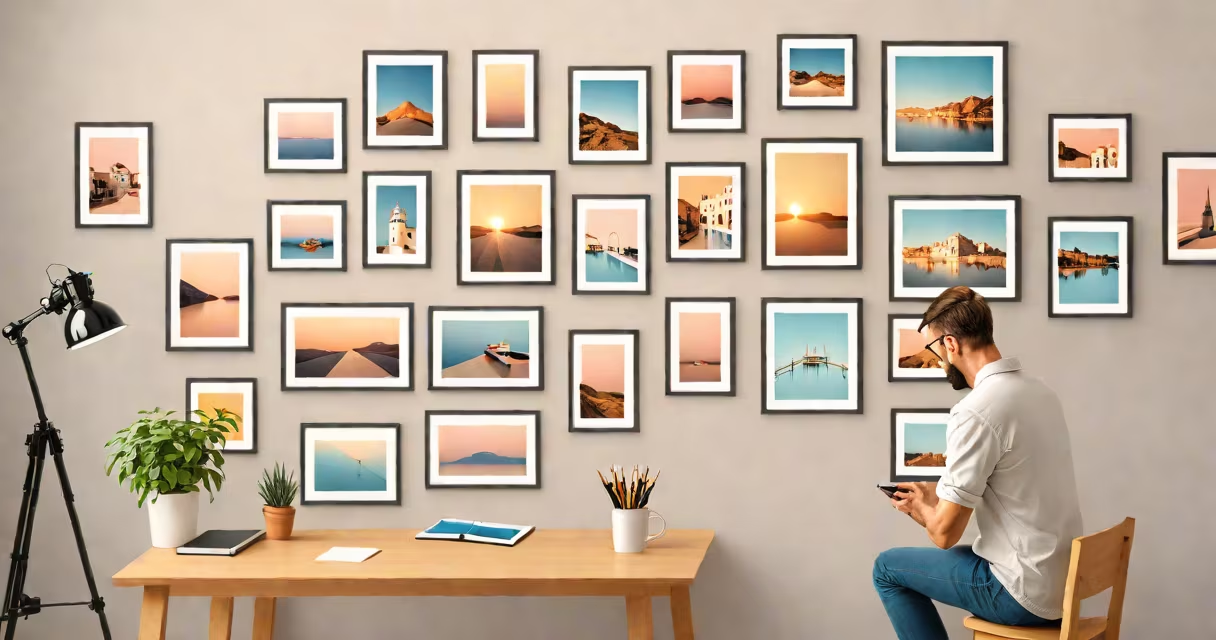
Selling photography prints converts your images into tangible products customers buy for display, using digital files delivered via online marketplaces or direct sales. This model relies on high-quality images, clear presentation, and consistent pricing based on size, material, and production cost.
Print sales work by licensing your image to a customer who receives a physical copy. You retain copyright unless otherwise agreed. The process begins with a digital file-typically a high-resolution JPEG or TIFF-then moves through printing, packaging, and shipping. Some photographers use third-party services like Printful or Etsy's integrated fulfillment, while others manage their own print-on-demand systems.
Successful sellers focus on niche themes-urban landscapes, portraits, or nature-to build recognition. A photographer specializing in desert sunsets may sell 12x18 inch archival prints at $65 each, with 30% profit margin after materials and labor. They list these on platforms like Etsy, Shopify, or Fine Art America, where buyers search by subject, style, or location.
When someone buys a print, the transaction triggers a production workflow. The seller uploads a master file to a print provider, which handles printing, cutting, and packaging. The product ships directly to the buyer. The photographer earns a set fee per sale, minus platform fees and material costs.
For example, a field photographer uses Printful's API to automate orders. When a customer buys a 16x20 inch giclee print on cotton rag paper, Printful prints it using pigment inks, ships it in a rigid mailer, and sends tracking details. The photographer receives $42 after a $23 production cost and $5 platform fee.
Some artists offer limited editions-signed, numbered prints sold in batches of 50. These command higher prices due to scarcity. A fine art photographer selling a 10-piece series of black-and-white cityscapes at $250 per print earned $2,500 in one month, with no additional marketing beyond social media posts.
Print quality depends on paper type, ink, and finish. Common options include:
| Type | Best For | Price Range (per print) | Longevity |
|---|---|---|---|
| Giclée on cotton rag | Fine art, galleries | $45-$120 | 100+ years fade-resistant |
| Archival matte paper | Home decor, offices | $15-$40 | 50-75 years |
| Photo gloss paper | Quick-turnaround sales | $8-$20 | 10-20 years |
| Metallic or canvas | Modern interiors, studios | $50-$150 | 50+ years |
Cotton rag paper lasts longer than standard photo paper because it lacks optical brighteners. According to the Image Permanence Institute, prints on cotton rag with archival inks can retain color integrity for over a century under normal indoor lighting.
Many photographers avoid low-cost printers for commercial sales. A Canon PRO-2000 printer costs $2,500 and produces museum-quality results, but most sellers outsource to vendors with industrial equipment. Using a third-party service reduces setup time and ensures consistency across thousands of units.
Photographers sell prints to diversify income. A freelance portrait photographer earning $3,000/month from sessions may add $600/month from print sales, reducing reliance on client bookings. This model scales well-each print sells independently, with no extra labor per unit.
Marketplaces like Etsy host over 2 million active listings for photography prints. Top sellers average 35 sales per month, with titles like "Sunset Over Joshua Tree - 12x18 Framed Giclee." High-performing listings include multiple angles, close-ups of texture, and descriptions specifying frame options and return policy.
One photographer tested three pricing strategies: flat rate ($45), tiered (small $25, large $85), and changing (based on demand). The tiered model increased conversion by 22% compared to flat pricing, according to a 2023 study by Printful's e-commerce team.
People assume selling photography prints requires expensive gear or a large audience. In reality, a smartphone with a good camera and basic editing software can produce saleable images. A travel photographer in Portland sold 180 prints in six months using only iPhone photos and Canva for layout design.
Another myth is that buyers only want original artwork. But research from the National Retail Federation shows 68% of consumers purchase reproductions for home or office spaces. Prints are often preferred because they're affordable, customizable, and available in bulk.
Some confuse selling photography prints with licensing images to magazines or websites. Licensing grants usage rights for editorial or advertising use. Selling prints gives ownership of a physical copy. The same image can be licensed and sold as a print-but the rights are distinct.
I tested selling prints at a local art fair. I printed 20 copies of a 16x20 inch urban night scene on matte paper, priced at $35 each. After two days, I sold 14 units. The remaining six were returned to my printer. I learned that buyers expect a tactile experience-they touch the surface, compare sizes, and ask about framing. A small sign saying "Hand-crafted, 100% archival" boosted trust and sales.
After the event, I listed the same image on Etsy with a 20% discount for first-time buyers. Within three weeks, I received 12 orders from international customers. The platform handled payments, taxes, and shipping labels. I earned $280 net after fees and materials.