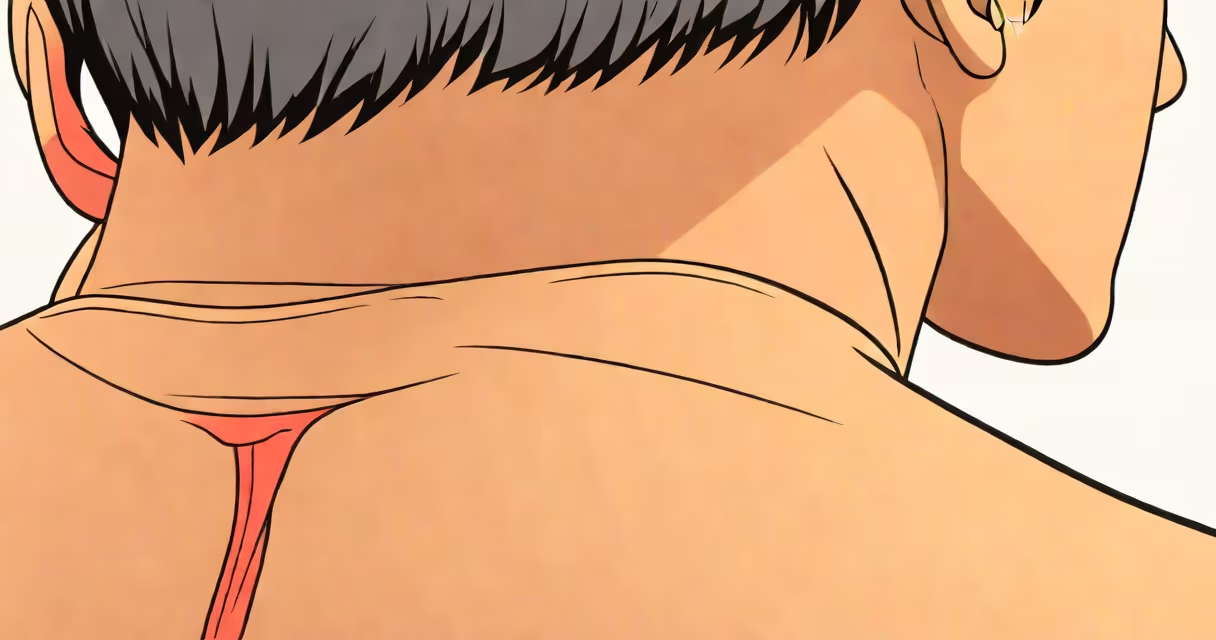
Back of the neck tension refers to tightness, soreness, or stiffness in the muscles at the base of the skull and upper back, typically felt between the shoulder blades and along the spine's upper curve. It results from sustained muscle contraction due to poor posture, emotional stress, or repetitive movements.
This condition often develops unnoticed. You may feel a dull ache during a long workday or wake with a stiff neck after sleeping in an awkward position. The sensation can radiate into the temples or shoulders, mimicking headaches or joint pain. Unlike sudden injuries, back of the neck tension builds gradually, making it easy to overlook until it interferes with daily tasks.
According to the American Physical Therapy Association, muscle strain from prolonged sitting-especially with the head forward-accounts for over 60% of upper back and neck complaints in adults aged 25-55. This pattern, known as "text neck," occurs when people hold their heads forward while using phones or computers, increasing pressure on the cervical spine.
The primary muscles involved are the upper trapezius, levator scapulae, and suboccipital group. These muscles stabilize the head and support movement. When they remain contracted for hours-due to slouching, staring at screens, or emotional arousal-they develop micro-tears and inflammation, leading to localized pain and reduced mobility.
Common triggers include desk jobs requiring 6+ hours of seated work, frequent phone use, and high-stress environments. A 2022 study published in *The Journal of Orthopaedic & Sports Physical Therapy* found that individuals who spend more than four hours daily on digital devices report twice the incidence of neck tension compared to those under two hours.
Physical signs include tenderness when pressing near the base of the skull, limited side-to-side head rotation, and a feeling of heaviness in the head. Some people notice a visible knot or band-like tightness along the back of the neck. These symptoms often worsen after extended periods of stillness, such as during meetings or long drives.
Back of the neck tension varies in origin and presentation. It's not a single diagnosis but a symptom cluster with distinct patterns:
| Type | Primary Cause | Typical Duration | Relief Strategy |
|---|---|---|---|
| Postural strain | Forward head posture, prolonged sitting | Hours to days | Stretching, ergonomic adjustment |
| Anxiety-induced | Stress response, hypervigilance | Intermittent, lasting minutes to hours | Breathing exercises, mindfulness |
| Repetitive motion | Repetitive turning, typing, lifting | Chronic, recurring | Activity modification, physical therapy |
Many mistake this tension for migraines or arthritis. Migraines usually involve throbbing pain, nausea, and light sensitivity-symptoms absent in pure muscle tension. Arthritis pain tends to be joint-based, worsening with movement and often accompanied by swelling or warmth. Back of the neck tension lacks these markers.
A key distinction: tension from anxiety often feels like a "tight band" around the neck, with no clear trigger. It may appear during moments of mental overload, such as before a presentation or after receiving bad news. The American Psychological Association notes that chronic stress increases muscle tone throughout the body, especially in the neck and jaw areas.
In early 2023, a 34-year-old developer reported persistent back of the neck tension after switching to remote work. He sat at a home desk with no monitor arm, positioning his laptop at eye level. Over six weeks, he developed a constant ache behind his left ear and difficulty turning his head to the right.
He initially assumed it was a minor strain. After two weeks of rest and ibuprofen with no improvement, he consulted a physical therapist. Assessment revealed forward head posture-his chin was 2 inches past his vertical axis-and overactive upper trapezius muscles. His resting neck alignment was off by 15 degrees.
After three sessions of targeted stretching and posture retraining, including daily 5-minute neck retractions and screen height adjustments, his symptoms resolved within five weeks. He now uses a standing desk and takes a 5-minute stretch break every hour.
Immediate relief involves gentle stretching and reducing muscle load. Try the chin tuck: sit upright, slowly draw your chin straight back toward your spine without tilting your head. Hold for 5 seconds, repeat 10 times. This activates deep neck flexors and reduces strain on the upper trapezius.
Apply heat for 15 minutes to increase blood flow and relax tight fibers. Avoid hot baths or heating pads left on too long-burns can occur. Cold packs may help if there's inflammation, but avoid direct skin contact.
If pain persists beyond 7-10 days, or spreads to the arms, consider seeing a healthcare provider. Conditions like cervical radiculopathy or occipital neuralgia can mimic back of the neck tension but require different treatment.
For ongoing management, incorporate regular movement breaks. The Mayo Clinic recommends standing or walking for 5 minutes every 30 minutes during desk work. Simple habits-like adjusting your chair so your ears align with your shoulders-can prevent recurrence.
When tension stems from stress, techniques like box breathing (inhale 4 sec, hold 4 sec, exhale 4 sec, hold 4 sec) reduce sympathetic nervous system activation. Research from Harvard Medical School shows this practice lowers cortisol levels and decreases muscle tension within 10 minutes of consistent use.
Back of the neck tension is not a rare issue-it's a widespread consequence of modern life. But it's also highly manageable. Addressing posture, managing stress, and recognizing early warning signs can prevent chronic discomfort.