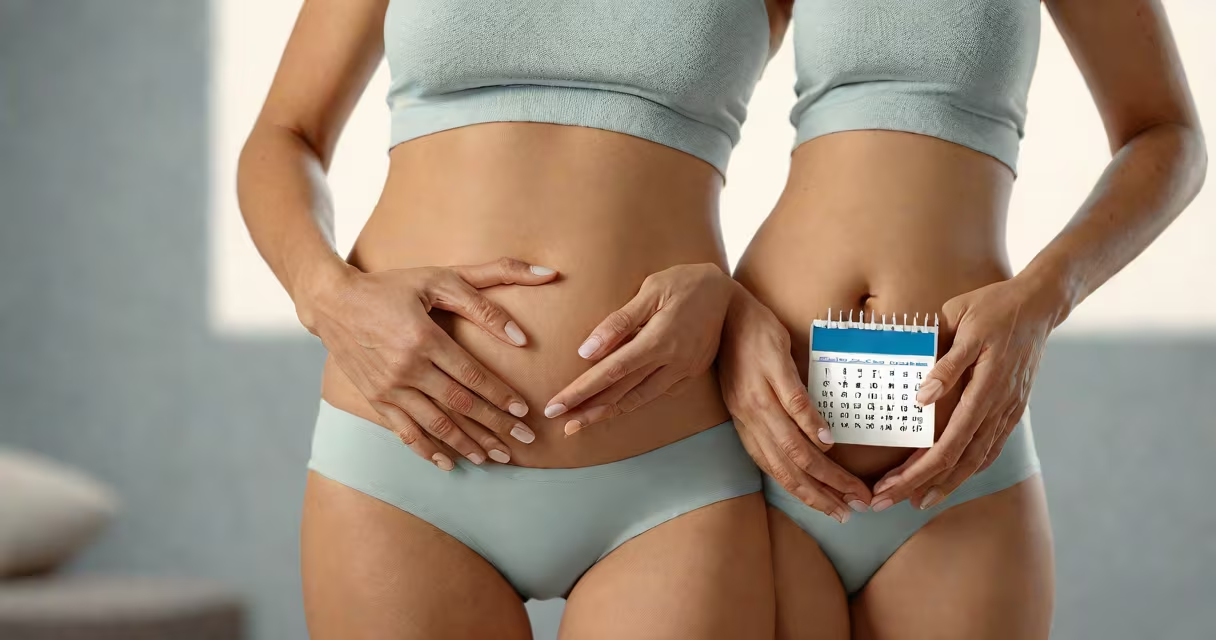
Bad cramps two weeks before your period typically occur during ovulation or early premenstrual syndrome (PMS), driven by hormonal shifts and physical changes in the reproductive system. These cramps differ from menstrual pain in timing and cause.
Ovulation happens around day 14 of a typical 28-day cycle, roughly two weeks before menstruation begins. During this phase, the ovary releases an egg, which can trigger mild to severe abdominal pain known as mittelschmerz. This pain often lasts hours to a few days and may affect one side of the lower abdomen.
Early PMS can also cause cramping due to rising progesterone and estrogen levels. Progesterone increases inflammation and fluid retention, leading to bloating and muscle contractions. These symptoms usually appear 7-10 days before menstruation, overlapping with ovulation timing.
The body's hormonal fluctuations during the luteal phase of the menstrual cycle drive most cramping experienced two weeks before a period. After ovulation, the corpus luteum forms in the ovary and secretes progesterone to prepare the uterus for potential pregnancy. Progesterone can cause uterine muscle contractions and increased sensitivity to pain.
Prostaglandins-hormone-like substances released in response to tissue changes-also play a role. They stimulate uterine contractions and can cause pain that radiates to the lower back or thighs. High levels of prostaglandins are linked to more intense cramping and are a key factor in primary dysmenorrhea, the medical term for painful periods without underlying disease.
A 2021 study published in Frontiers in Endocrinology found that women with moderate to severe premenstrual cramping had higher prostaglandin E2 levels during the luteal phase compared to those with mild symptoms. This supports the biological basis for cramping occurring before menstruation begins.
Cramps two weeks before your period fall into two categories: ovulation-related and pre-PMS. Understanding the difference helps identify root causes and manage symptoms effectively.
| Type | Timing | Location | Duration | Common Triggers |
|---|---|---|---|---|
| Ovulation pain (mittelschmerz) | Day 12-16 of cycle | One side of lower abdomen | Minutes to 48 hours | Egg release, fluid buildup in pelvis |
| Early PMS cramping | Days 14-21 of cycle | Central lower abdomen, may radiate | 3-7 days | Progesterone surge, water retention, stress |
Some women report sharp, stabbing pain on one side during ovulation. Others describe dull, constant pressure. A 2019 survey by the American College of Obstetricians and Gynecologists (ACOG) found that 30% of women aged 18-35 reported experiencing ovulation pain, with 12% describing it as severe enough to disrupt daily activities.
Non-obvious fact: Cramps two weeks before your period are rarely caused by pregnancy. Implantation cramping occurs 6-12 days after conception-around the time of expected menstruation-not two weeks prior. If you're pregnant, cramping at that stage is more likely related to hormonal changes or uterine stretching.
While cramps two weeks before your period are usually normal, they can signal underlying conditions if they worsen or change pattern. Persistent or severe pain may indicate endometriosis, adenomyosis, or pelvic inflammatory disease (PID).
Endometriosis affects approximately 10% of reproductive-age women, according to the National Institute of Child Health and Human Development (NICHD). It occurs when tissue similar to the uterine lining grows outside the uterus, causing inflammation and intense cramping. Pain often starts earlier in the cycle and continues past menstruation.
Adenomyosis, where endometrial tissue invades the uterine muscle wall, causes heavy bleeding and deep, persistent cramping. A 2020 study in Obstetrics & Gynecology showed that 65% of women with adenomyosis reported cramping beginning 10-14 days before their period.
Consider Sarah, a 29-year-old teacher who tracked her symptoms for six months using a fertility app. She noticed cramps lasting 24-36 hours around day 15 of her cycle, accompanied by mild spotting and breast tenderness. Her pain was localized to the right lower abdomen and subsided by day 17.
Based on timing and location, her symptoms matched ovulation pain. She managed discomfort with heat packs and ibuprofen (600 mg every 6 hours as needed). Her symptoms did not worsen over time, and she had regular cycles. No further evaluation was needed.
Contrast this with Maria, a 34-year-old nurse whose cramps began 10 days before her period and lasted until day 2 of menstruation. She reported increasing severity, nausea, and fatigue. An ultrasound revealed endometriosis lesions on the fallopian tubes. She was prescribed hormonal birth control to suppress ovulation and reduce pain.
Many assume cramps two weeks before your period are "just part of being female." That belief delays diagnosis of treatable conditions. A 2022 review in Journal of Women's Health found that 44% of women with endometriosis waited over two years to receive a diagnosis due to normalization of pain.
Another misconception: cramps are always tied to menstruation. But research shows that ovulation and early PMS can produce significant pain. A 2021 study in Reproductive Sciences confirmed that 68% of women experienced cramping during the luteal phase, independent of menstrual onset.
Also, not all cramping is hormonal. Stress, poor diet, and lack of movement can amplify pain perception. A 2020 study in Psychosomatic Medicine found that women under high stress reported 30% greater pain intensity during ovulation, even with similar hormone levels.
For mild to moderate cramps two weeks before your period, over-the-counter NSAIDs like naproxen sodium (500 mg twice daily) reduce prostaglandin production and ease pain. Heat therapy applied to the lower abdomen for 20 minutes every 4 hours can relax muscles and improve blood flow.
Lifestyle adjustments help too. A 2019 trial in European Journal of Clinical Nutrition showed that women who consumed 1,200 mg of calcium daily had a 20% reduction in premenstrual cramping. Omega-3 fatty acids from fish oil (1,000 mg/day) also reduced inflammation markers linked to pain.
Bad cramps 2 weeks before period are often normal, but understanding their origin helps distinguish manageable discomfort from signs of deeper health issues. Tracking symptoms, using pain relief, and seeking evaluation when needed are key steps toward managing reproductive health.