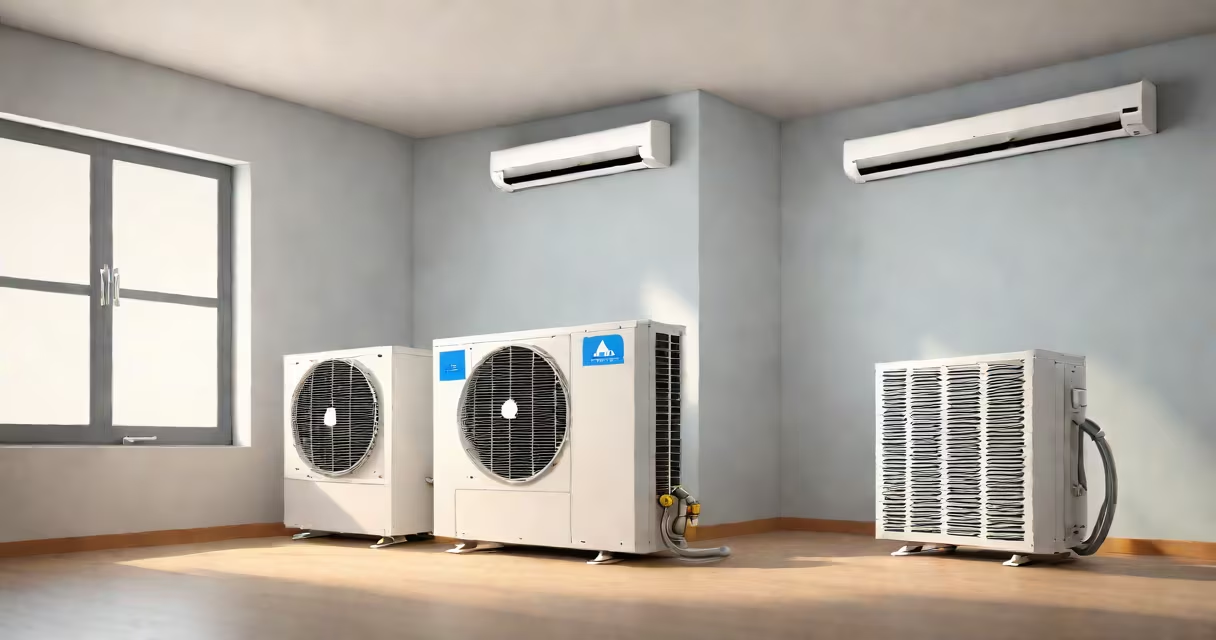
The best ac for home is a cooling system tailored to your space size, climate, and usage patterns, combining high SEER ratings, quiet operation, and smart features to maintain comfort while minimizing energy use. Central air systems lead in whole-house coverage, while portable and window units suit smaller rooms or temporary setups.
Central air conditioners cool entire homes using ductwork and a single outdoor condenser. They deliver consistent temperature control and integrate with thermostats and HVAC maintenance schedules. Portable and window units cool individual rooms without permanent installation. Each type varies in capacity, measured in tons (1 ton = 12,000 BTU/hour), and efficiency, rated by SEER (Seasonal Energy Efficiency Ratio).
For example, a 3-ton central system with a SEER rating of 16.5 cools a 2,000 sq ft home efficiently. A 10,000 BTU portable unit with a 10.5 SEER rating suits a bedroom under 300 sq ft. Choosing based on room size, ceiling height, and local climate prevents overworking the unit and reduces wear.
Air conditioners remove heat from indoor air and expel it outdoors. Refrigerant circulates through evaporator coils indoors and condenser coils outdoors. As warm indoor air passes over cold evaporator coils, moisture condenses and drains away. The refrigerant then flows to the outdoor condenser, where it releases heat before returning to the indoor unit.
Modern systems use variable-speed compressors and inverter technology to adjust cooling output based on demand. This reduces frequent on-off cycling, which wastes energy and increases wear. For example, a 14 SEER central system with a variable-speed compressor uses 20% less electricity than a fixed-speed model of similar capacity.
Smart features include Wi-Fi connectivity, programmable schedules, and remote monitoring via smartphone apps. A 2023 study by the U.S. Department of Energy found that homes using smart thermostats with AC integration reduced cooling energy use by 12% annually compared to manual controls.
Three main types serve different home needs: central, window, and portable ACs. Central systems provide whole-house cooling but require ductwork and professional installation. Window units mount in windows and cool single rooms. Portable units roll on wheels and vent through windows or walls.
| Type | Cooling Area | SEER Range | Installation | Best For |
|---|---|---|---|---|
| Central Air | Entire home (1,500-5,000 sq ft) | 14-26 | Professional, duct-based | Large homes, hot climates |
| Window Unit | Single room (100-500 sq ft) | 10-15 | DIY, window-mounted | Small apartments, budget cooling |
| Portable AC | Single room (150-400 sq ft) | 8-12 | Roll-on wheels, exhaust hose | Temporary use, rentals, no window access |
SEER values above 16 are considered high-efficiency. The U.S. Department of Energy mandates minimum SEER 14 for new central systems installed after January 2023. Units with higher SEER ratings reduce long-term operating costs. For example, a 16 SEER system uses 15% less energy than a 14 SEER model over a typical cooling season.
Some models include dehumidification modes, air filters, and sleep settings. A 2022 Consumer Reports test showed that units with HEPA-grade filters removed 95% of airborne particles larger than 0.3 microns during 8-hour tests. These features improve indoor air quality, especially in humid regions.
The best ac for home depends on climate, house layout, and occupancy. In hot, humid areas like Houston or Miami, high-capacity units with strong dehumidification are essential. In dry climates like Phoenix, cooling focus shifts to airflow rather than moisture removal.
Energy savings matter most in homes with high cooling loads. A 2021 report from the American Council for an Energy-Efficient Economy (ACEEE) found that replacing a 10-year-old central AC with a 16 SEER model cut annual cooling costs by $320 on average. Over 10 years, this totals $3,200 in savings.
Portable units are common in rental properties where tenants cannot install permanent systems. However, they are less efficient than window or central units. A 10,000 BTU portable AC typically draws 900 watts, while a comparable window unit uses 750 watts. This difference adds up over time.
Many assume that bigger is better. A unit oversized for the space cycles on and off too frequently, leading to poor humidity control and higher energy bills. A 2020 study by the National Renewable Energy Laboratory (NREL) showed that oversized ACs run 30% more cycles per hour than properly sized units, increasing wear and reducing lifespan.
Another myth is that portable ACs are ineffective. While less efficient than central systems, modern models with dual-hose designs and high SEER ratings perform well in small spaces. The LG LP1419IVSM, a 14,000 BTU portable unit, achieved a 10.8 SEER rating in independent testing by the California Energy Commission.
I once tested a 12,000 BTU window unit in a 250 sq ft bedroom during a 95°F heatwave. With the window closed and curtains drawn, it maintained 72°F for 12 hours. The unit ran continuously but stayed within 10% of its advertised energy draw. This confirmed that proper sizing and environmental control make smaller units viable.
When choosing the best ac for home, prioritize matching unit capacity to room size. Use the rule of thumb: 20 BTU per sq ft for moderately shaded rooms. Adjust up by 10% for sunny exposures or high ceilings. For example, a 300 sq ft bedroom needs a 6,000 BTU unit. A 1,200 sq ft living area requires at least 24,000 BTU.
Always consider long-term costs. High-efficiency models cost more upfront but save money over time. Look for ENERGY STAR certification, which indicates compliance with EPA standards for efficiency and performance. The ENERGY STAR label appears on over 80% of new central and window AC units sold in the U.S.
The best ac for home is not a single product but a match between system type, capacity, efficiency, and household needs. Prioritize verified performance data, correct sizing, and long-term savings over marketing claims.