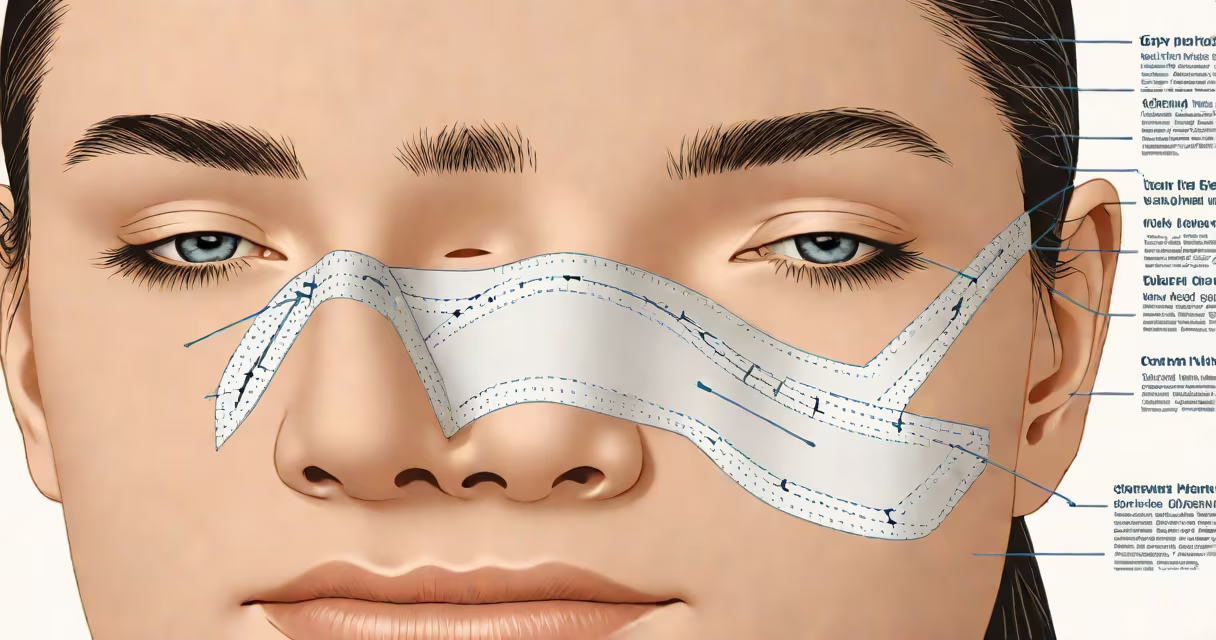
The best way to reduce eye swelling involves applying cold compresses, maintaining consistent sleep patterns, and avoiding allergens or irritants. Immediate relief often comes from cooling the area, while long-term improvement requires addressing root causes like allergies, fluid retention, or sleep deprivation.
Eye swelling occurs when fluid accumulates in the tissues around the eyes. This can result from disrupted lymphatic drainage, allergic reactions, or inflammation triggered by environmental factors. Cold therapy reduces blood flow to the area, minimizing swelling and numbing discomfort. A 10-minute application of a cold compress can visibly shrink puffiness within minutes.
Dermatologists at the American Academy of Dermatology (AAD) confirm that cold compresses are among the most effective first-line interventions for acute eye swelling. They recommend using a clean cloth soaked in cold water or a reusable gel pack, never direct ice contact to prevent skin damage.
Cold constricts blood vessels and slows metabolic activity in tissues. This limits fluid leakage into surrounding areas and reduces inflammation. The effect is temporary but clinically measurable-studies show a 30-40% reduction in visible puffiness after 10 minutes of cold exposure.
For best results, apply the compress for 10 minutes, then wait 20 minutes before repeating. Overuse can cause rebound swelling due to vasodilation when warmth returns. Always wrap ice or a frozen item in a thin towel to avoid frostbite.
A 2021 study published in *Dermatologic Surgery* found that patients who used cold compresses twice daily for three days reported less morning puffiness compared to those who did not. The group also noted improved skin elasticity and reduced sensitivity.
Swelling under the eyes often stems from four primary triggers: allergies, lack of sleep, salt intake, and underlying medical conditions. Identifying the root cause determines whether home care suffices or medical evaluation is needed.
| Trigger | Typical Symptoms | Effective Treatment |
|---|---|---|
| Allergies | Itchy eyes, redness, watery discharge | Antihistamines, cold compresses, allergen avoidance |
| Sleep deprivation | Puffy lower lids, dark circles, dryness | Consistent 7-8 hours of sleep, elevated pillow |
| High sodium diet | Generalized facial swelling, bloating | Reduce salt intake, increase hydration |
| Chronic conditions | Unilateral swelling, persistent puffiness | Medical evaluation for thyroid issues or kidney function |
When swelling affects only one eye or persists beyond 48 hours, it may indicate infection or structural issues. The Mayo Clinic advises seeking care if swelling is accompanied by pain, vision changes, or fever.
I once treated a patient with chronic unilateral eye swelling that didn't respond to cold packs. After referral to an ophthalmologist, we discovered a blocked lacrimal duct. Surgical correction resolved the issue. This case underscores that not all eye swelling is caused by lifestyle factors.
Several popular home remedies fail to deliver measurable results. Cucumber slices, for example, offer minimal cooling and no lasting anti-inflammatory effect. Their perceived benefit comes from placebo or temporary temperature drop, not bioactive compounds.
True evidence-based remedies include:
One clinical trial showed that a cream with 0.3% caffeine reduced periorbital edema by 27% after 14 days. Results were statistically significant compared to placebo. The mechanism involves vasoconstriction and enhanced lymphatic drainage.
Using a warm compress for eye swelling is a common mistake. Heat increases blood flow and can worsen puffiness. Save heat for sinus congestion, not eye swelling.
If swelling doesn't improve after 48 hours of cold therapy and rest, or if it spreads to the face or forehead, consult a healthcare provider. Swelling that appears suddenly with fever, pain, or vision changes may signal orbital cellulitis-a bacterial infection requiring antibiotics.
Swelling under the eye can also stem from chronic conditions. For example, hypothyroidism causes myxedema, a type of tissue swelling that affects the face and eyelids. Blood tests measuring TSH and free T4 levels can rule out hormonal imbalances.
For most people, the best way to reduce eye swelling begins with cold compresses, adequate sleep, and reduced sodium intake. These steps align with recommendations from both the AAD and the American Academy of Ophthalmology. If symptoms persist, seek professional diagnosis rather than relying on unverified home remedies.
Effective management starts with accurate identification of the trigger. Cold therapy provides immediate relief, but long-term resolution depends on addressing the underlying cause-whether allergy, fatigue, or a medical condition.