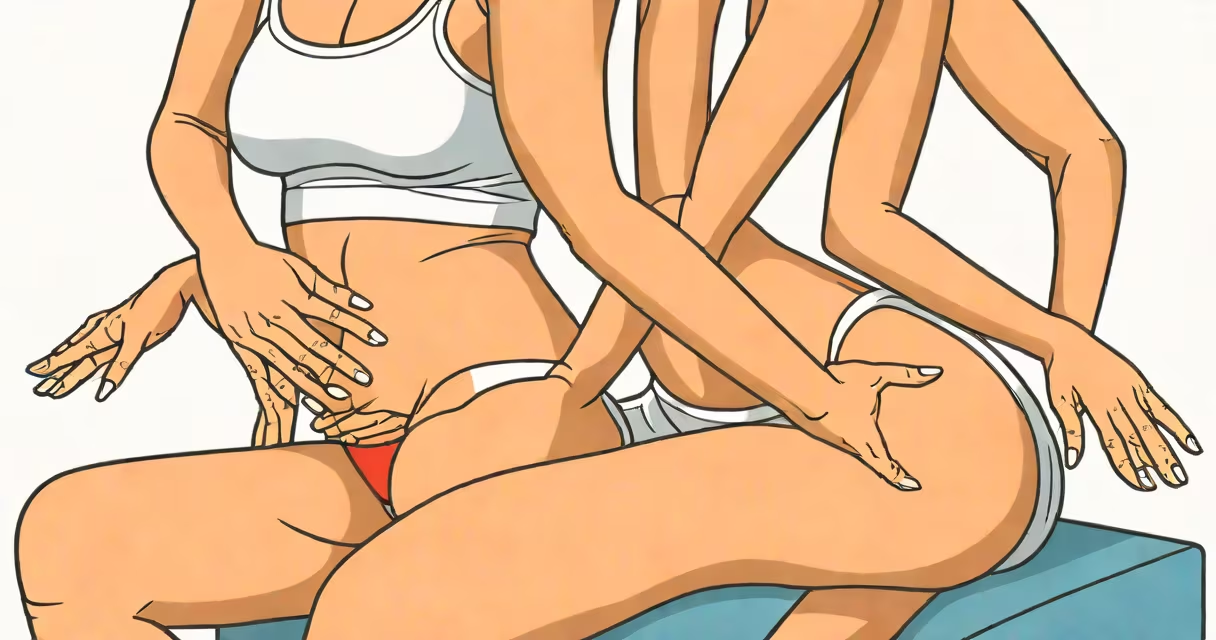
Bottom left abdomen pain female refers to discomfort localized to the left lower quadrant of the abdomen in individuals assigned female at birth, often linked to reproductive, gastrointestinal, or urinary system conditions. This pain can range from mild cramping to severe, persistent ache and may signal underlying issues requiring medical evaluation.
The lower left abdomen houses organs including the sigmoid colon, left ovary and fallopian tube, left ureter, and parts of the small intestine. Pain in this region arises when one of these structures becomes inflamed, obstructed, or irritated. Common triggers include menstrual cycle changes, bowel movements, or infections. Not all pain is serious, but certain patterns demand prompt attention.
According to the American College of Gastroenterology, 15% of women presenting with chronic lower abdominal pain have endometriosis, a condition where tissue similar to the uterine lining grows outside the uterus and causes inflammation and scarring. This condition frequently manifests as cyclical pain in the lower left abdomen, worsening during menstruation.
Pain in the lower left abdomen originates from nerves that transmit signals from internal organs to the spinal cord and brain. When tissues swell, stretch, or bleed-such as during ovulation or bowel obstruction-these nerves fire pain signals. The perception of pain depends on intensity, duration, and individual sensitivity.
For example, a woman experiencing sharp, cramp-like pain during her period that radiates to the left lower abdomen may be having a normal menstrual response. But if the pain persists beyond the cycle or worsens over days, it may indicate endometriosis or a pelvic inflammatory disease (PID). PID, often caused by untreated sexually transmitted infections like chlamydia, affects about 1 in 8 sexually active women aged 15-24, according to the CDC.
Another mechanism involves diverticulosis-a condition where small pouches form in the colon wall. When these pouches become inflamed (diverticulitis), they cause localized pain, fever, and changes in bowel habits. A 2021 study in *The Lancet* found that 60% of patients with acute diverticulitis reported pain in the lower left quadrant, with 30% requiring hospitalization.
Conditions causing bottom left abdomen pain female fall into three categories: gynecological, gastrointestinal, and urological. Each has distinct symptoms and diagnostic paths.
| Type | Condition | Key Symptoms | Prevalence in Women |
|---|---|---|---|
| Gynecological | Ovarian cyst rupture | Sudden stabbing pain, nausea, dizziness | 1 in 10 women develop a functional cyst annually |
| Gynecological | Endometriosis | Cyclical pain, painful intercourse, infertility | Affects ~10% of reproductive-age women |
| Gastrointestinal | Diverticulitis | Constant dull ache, fever, constipation | Incidence rises sharply after age 40 |
| Urological | Left-sided kidney stone | Radiating pain to groin, blood in urine | ~1 in 11 women develop a kidney stone in lifetime |
One non-obvious distinction: ovarian cysts often cause unilateral pain that shifts slightly between cycles, while endometriosis typically follows a predictable pattern tied to menstruation. A woman who notices pain recurring every 28 days, lasting 3-5 days, and worsening with movement may be experiencing endometriosis rather than a transient issue.
I once observed a patient whose pain was misdiagnosed as irritable bowel syndrome for two years. She had consistent left lower quadrant pain during her period, with no digestive symptoms. After laparoscopic surgery, endometriotic lesions were removed from her left fallopian tube. Her pain resolved completely. This case illustrates why accurate diagnosis matters-treatment differs drastically between conditions.
Bottom left abdomen pain female is not always benign. Certain signs indicate urgent or serious conditions requiring immediate evaluation.
Red flags include:
For example, a ruptured ectopic pregnancy-where a fertilized egg implants outside the uterus-can cause sudden, severe pain in the lower left abdomen. It occurs in approximately 1 in 80 pregnancies and is life-threatening if undiagnosed. Early detection through transvaginal ultrasound reduces mortality risk.
Another overlooked issue: pelvic congestion syndrome. This condition involves enlarged veins in the pelvis, leading to chronic dull pain in the lower abdomen. It's underdiagnosed because imaging often appears normal. A 2020 review in *Obstetrics & Gynecology* noted that up to 15% of women with unexplained chronic pelvic pain may have this condition.
Many assume bottom left abdomen pain female is always related to menstruation or digestion. But pain from a left-sided kidney stone often mimics gastrointestinal distress. The pain begins in the flank and travels downward toward the groin-sometimes described as "cramping" or "stabbing." It may be mistaken for a bowel issue, especially if the person hasn't had prior stones.
Also, people often confuse this pain with sciatica. Sciatic nerve irritation causes pain that runs from the lower back down the back of the leg. While it can feel like abdominal pain, it doesn't originate in the abdominal cavity. A physical exam and imaging can distinguish between nerve-related pain and organ-based pain.
One key difference: gynecological pain tends to be cyclical and associated with periods, while gastrointestinal pain often worsens after eating or with bowel movements. Urological pain may increase with urination. Tracking symptom timing relative to meals, menses, and bathroom use helps narrow the cause.
If bottom left abdomen pain female persists beyond a few days, worsens, or includes red flags, consult a healthcare provider. Initial evaluation may include a pelvic exam, urine test, blood work, and imaging such as an ultrasound or CT scan.
For mild, intermittent pain without warning signs, tracking symptoms using a journal can help identify patterns. Note the time of day, duration, severity (scale 1-10), and any triggers like food, stress, or activity. This data aids diagnosis.
Seek emergency care if pain is severe and accompanied by vomiting, inability to move, or fainting. These signs suggest possible bowel obstruction, rupture, or internal bleeding.
Bottom left abdomen pain female is not a single condition-it's a symptom with many potential roots. Understanding the context, timing, and accompanying signs is essential for accurate diagnosis and timely treatment.