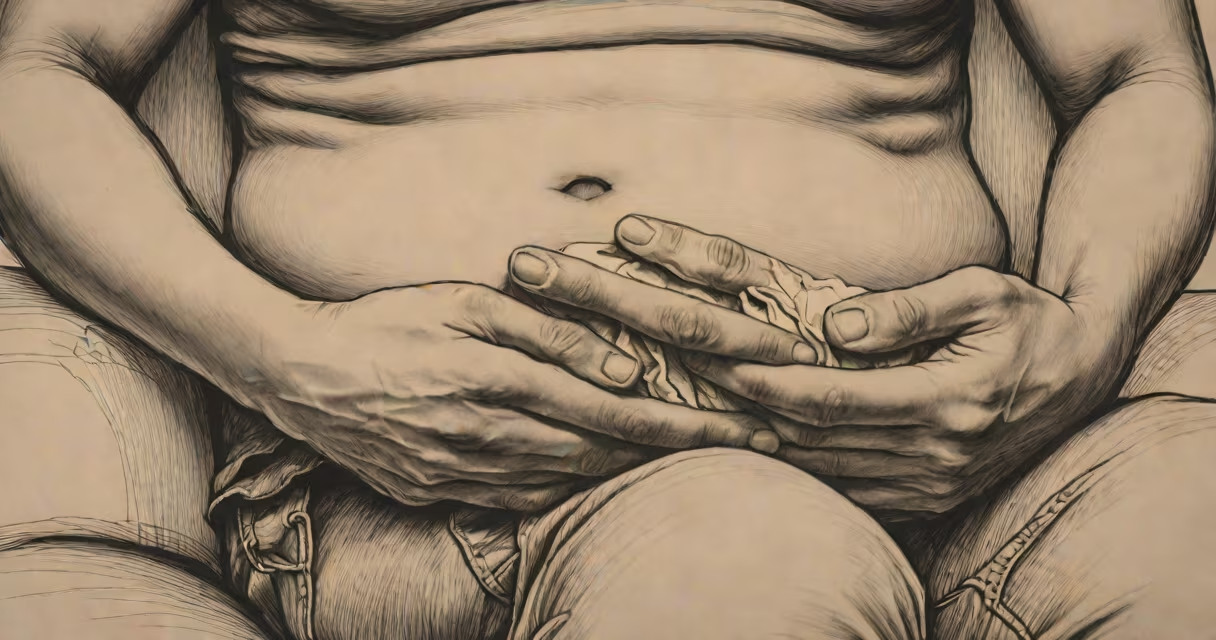
Burning stomach pain after eating is a symptom of excess stomach acid irritating the lining of the esophagus or stomach, often caused by gastroesophageal reflux disease (GERD), gastritis, or peptic ulcers. It typically occurs within 30 minutes to two hours after a meal and may worsen when lying down or bending over.
This sensation results from acidic digestive contents flowing backward into the esophagus or from irritation of the stomach's mucosal layer. The pain feels like heat or pressure behind the breastbone and may radiate upward toward the throat. It is distinct from cramping or sharp stabbing pain, which suggest different gastrointestinal issues.
According to the American College of Gastroenterology, GERD affects approximately 20% of adults in the U.S. at least once a week. Persistent burning pain after eating is a sign sign of chronic acid exposure, requiring evaluation to rule out complications such as Barrett's esophagus or esophageal strictures.
The lower esophageal sphincter (LES) normally prevents stomach acid from backing up into the esophagus. When it relaxes inappropriately during or shortly after eating, acid flows upward, causing a burning sensation known as heartburn. This mechanism underlies most cases of burning stomach pain after eating.
Stomach acid production increases during digestion. In people with sensitive esophageal linings or weakened LES function, even normal acid levels can trigger discomfort. The pain typically resolves within 1-2 hours as the stomach empties and acid levels drop.
A 2021 study published in *Gastroenterology* found that 68% of patients reporting post-meal burning pain had abnormal acid exposure measured via pH monitoring, confirming that the symptom correlates strongly with actual reflux episodes.
Several conditions can cause burning stomach pain after eating. The most frequent are:
| Type | Key Features | Typical Triggers |
|---|---|---|
| GERD | Chronic acid reflux; pain occurs daily or multiple times weekly | Fatty foods, alcohol, large meals, lying down after eating |
| Gastritis | Inflammation of the stomach lining; pain may persist beyond 2 hours | NSAIDs (e.g., ibuprofen), alcohol, stress, H. pylori infection |
| Peptic Ulcer | Pain often occurs 1-3 hours after eating; may wake at night | NSAID use, H. pylori, smoking |
Non-gastrointestinal causes include gallbladder disease (biliary colic), though this typically presents with right upper quadrant pain and nausea rather than pure burning.
One key distinction missed by many: burning pain after eating is not always due to too much acid. Sometimes, the issue lies in the stomach's ability to clear acid efficiently. A 2022 review in *The Lancet Gastroenterology & Hepatology* noted that impaired gastric emptying contributes to postprandial reflux in up to 30% of patients with persistent symptoms.
Burning stomach pain after eating is often dismissed as "just indigestion." But it can signal serious underlying conditions. Pain that wakes you at night, worsens when leaning forward, or is accompanied by weight loss, vomiting blood, or black stools requires immediate medical attention.
Many confuse this symptom with functional dyspepsia-a condition where patients report discomfort without identifiable structural damage. However, functional dyspepsia lacks objective evidence of inflammation or reflux. Distinguishing between organic and functional causes relies on testing, not just symptom description.
As a clinician, I've seen patients delay care for months because they believed their burning pain was "normal" or "just stress." One patient reported daily burning pain after lunch for six months. Endoscopy revealed a 1.5 cm gastric ulcer. After treatment with proton pump inhibitors and eradication of H. pylori, symptoms resolved completely.
Initial management includes lifestyle changes: avoid large meals, reduce caffeine and alcohol intake, stop eating at least three hours before bedtime, and improve the head of the bed. Over-the-counter antacids or H2 blockers may provide relief for mild cases.
If symptoms occur more than twice a week despite these measures, consult a gastroenterologist. Testing may include endoscopy, pH monitoring, or breath tests for H. pylori. Treatment depends on the diagnosis: PPIs for GERD, antibiotics for H. pylori, or dietary modification for gastroparesis.