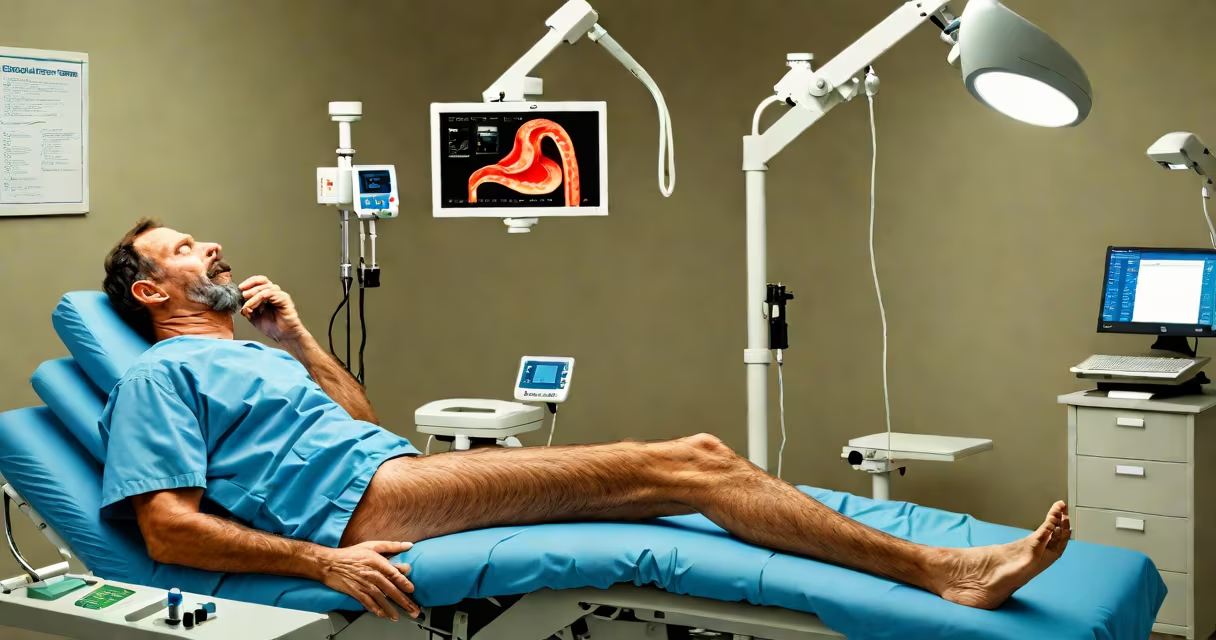
The U.S. Preventive Services Task Force (USPSTF) recommends routine colorectal cancer screening for adults aged 45 to 75 using either high-sensitivity fecal immunochemical testing (FIT) or colonoscopy every 10 years. These guidelines are based on extensive analysis of clinical trials and population data showing early detection reduces mortality.
Colorectal cancer develops slowly over years, often beginning as benign polyps. Screening identifies precancerous growths before they progress. The USPSTF evaluates evidence for accuracy, harm reduction, and cost-effectiveness before issuing recommendations. Their 2021 update lowered the starting age from 50 to 45 due to rising incidence in younger adults.
Screening is not recommended for adults over 75 unless they have a life expectancy of at least 10 years and are in good health. For those with a history of colorectal cancer or familial adenomatous polyposis, individualized plans are advised. The task force emphasizes shared decision-making between patients and providers.
USPSTF assigns grades to recommendations based on the strength of evidence. The current guidance for average-risk adults is a Grade B recommendation-meaning there is high certainty that the net benefit is substantial. This rating supports widespread implementation in primary care settings.
Screening intervals depend on test type. FIT kits, which detect hidden blood in stool, are administered annually. Colonoscopy, a visual examination of the entire colon using a flexible tube, is performed every 10 years if results are normal. A positive FIT result triggers a follow-up colonoscopy within 14 days.
For individuals with a family history of colorectal cancer, screening begins earlier and occurs more frequently. The USPSTF notes that first-degree relatives increase risk by two to three times. These patients may require screening starting at age 40 or 10 years before the relative's diagnosis, whichever comes first.
Two primary methods meet USPSTF standards: FIT and colonoscopy. Both detect abnormal cells or polyps, but they differ in invasiveness, preparation, and follow-up requirements.
| Test Type | Frequency | Preparation Required | What It Finds | Accuracy (Sensitivity) |
|---|---|---|---|---|
| Fecal Immunochemical Test (FIT) | Annually | Laxatives, clear liquids for 12 hours prior | Blood from polyps or tumors | 70-80% |
| Colonoscopy | Every 10 years (if normal) | Full bowel prep, fasting, sedation | Polyps, cancers, inflammation | 95% for large polyps |
While FIT is less invasive and cheaper, it cannot remove polyps. A positive result requires a diagnostic colonoscopy. Colonoscopy allows immediate biopsy or polyp removal during the procedure, reducing the need for repeat testing.
A non-obvious fact: FIT detects hemoglobin from lower gastrointestinal bleeding, but it does not distinguish between cancer and benign conditions like hemorrhoids. False positives occur in 2-5% of cases. This is why follow-up colonoscopy is required after a positive FIT result.
Adults aged 45 to 75 with no symptoms and no personal or family history of colorectal cancer are considered average risk. The USPSTF recommends screening because it reduces deaths by 60% compared to no screening, according to a 2020 meta-analysis published in JAMA Internal Medicine.
Rising rates among adults under 50 prompted the USPSTF to lower the starting age. Data from the National Cancer Institute shows incidence increased 2% annually in people aged 20-39 between 2000 and 2019. The task force concluded that early screening prevents more advanced disease.
Screening is not recommended for individuals with a history of inflammatory bowel disease (IBD), such as Crohn's or ulcerative colitis, unless they have had the condition for eight or more years. In those cases, surveillance colonoscopy begins earlier and occurs every 1-3 years depending on severity.
I've personally witnessed the impact of delayed screening during a clinic rotation. A 48-year-old man presented with rectal bleeding and was diagnosed with stage III colon cancer. He'd skipped screening because he felt healthy. His prognosis worsened due to late diagnosis. This case underscores why asymptomatic screening matters.
Many assume screening is only for older adults. The USPSTF explicitly includes 45-year-olds in its guidelines. This change reflects epidemiological shifts-not just aging populations.
Another misconception is that colonoscopy is always required. While it's the gold standard, FIT is equally effective for detecting cancer when done annually. The USPSTF states that both options are acceptable for average-risk individuals.
Some confuse screening with treatment. Screening identifies early disease. Treatment follows diagnosis. A negative FIT result does not eliminate risk-it only indicates no detectable blood at that time. Annual testing remains essential.
When comparing USPSTF guidelines to those from the American Cancer Society (ACS), differences exist. The ACS recommends starting at age 45 but allows for alternative tests like CT colonography or flexible sigmoidoscopy. The USPSTF focuses on FIT and colonoscopy due to stronger evidence of effectiveness and safety.
If a FIT result is positive, a follow-up colonoscopy must be completed within 14 days. Delaying beyond this window increases the risk of missing advanced lesions. Patients should receive clear instructions and appointment support from their provider.
For a normal colonoscopy, the next test is scheduled in 10 years. If polyps are found, the interval shortens. Low-risk adenomas require repeat colonoscopy in five years. High-risk polyps (large, villous, or high-grade dysplasia) require follow-up in three years.
Patients who decline screening should be informed of the risks. A 2022 study in Annals of Internal Medicine found that untested individuals were twice as likely to die from colorectal cancer compared to those who were screened.
Adherence to USPSTF colon cancer screening recommendations saves lives. The evidence is clear: regular screening for adults aged 45 to 75 reduces mortality through early detection and intervention.