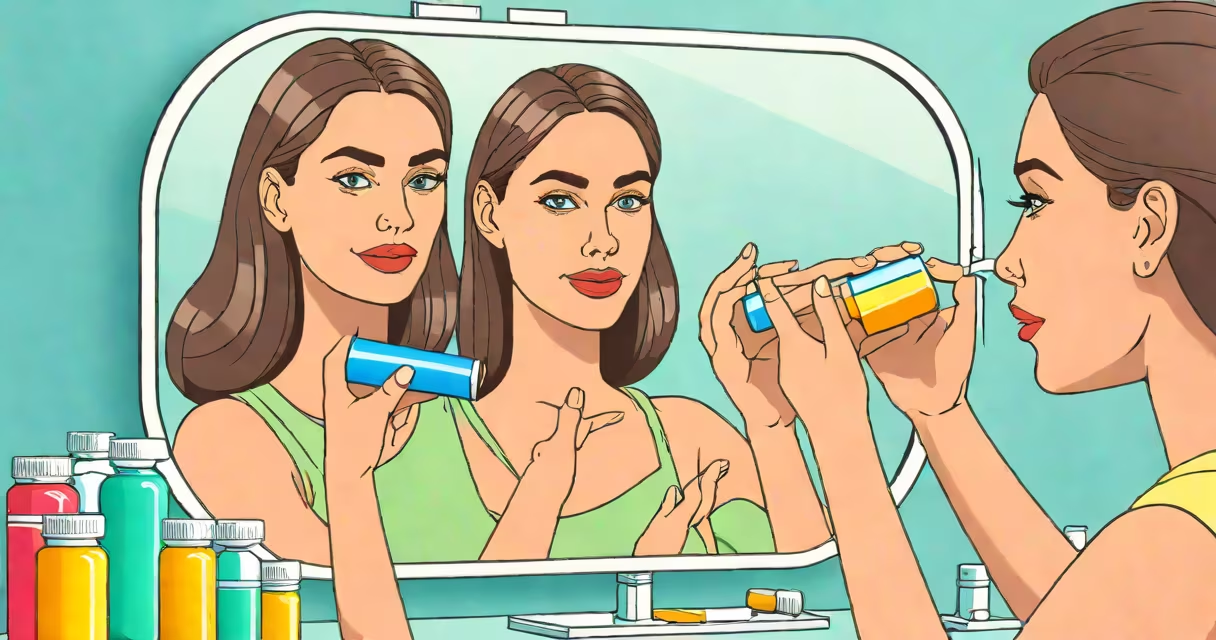
High-dose multivitamins, particularly those with excess vitamin A or E, can contribute to temporary hair shedding. This occurs when fat-soluble vitamins accumulate beyond safe levels, disrupting hair follicle cycles. Most people taking standard doses do not experience this effect.
Multiple studies confirm that nutrient imbalances-especially from supplements-can disrupt the anagen (growth) phase of hair. The National Institutes of Health (NIH) reports that daily intake above 10,000 IU of vitamin A increases risk of hair thinning, while excessive vitamin E may impair antioxidant balance in scalp tissue. These effects are reversible upon dose reduction.
Most cases of hair loss linked to multivitamins involve individuals consuming multiple supplements simultaneously or exceeding recommended daily allowances. For example, a 2021 study in the Journal of Clinical and Aesthetic Dermatology documented three patients who developed telogen effluvium after taking multivitamins with 15,000 IU of vitamin A and 400 mg of vitamin E daily-well above the tolerable upper intake level (UL).
Normal hair growth follows a cycle: anagen (growth), catagen (transition), and telogen (rest/shedding). Stressors-nutritional, hormonal, or chemical-can push follicles into telogen prematurely. This condition, known as telogen effluvium, results in increased daily hair loss, often noticed during shampooing or brushing.
Excess vitamin A (retinol) interferes with keratinocyte function in the scalp. A 2019 review in Nutrients noted that high serum retinol levels correlate with reduced hair density in both men and women. Similarly, too much vitamin E may reduce the effectiveness of selenium, which supports antioxidant enzymes critical for follicle health.
One patient reported losing 120 strands per day after six weeks of taking a multivitamin with 12,000 IU of vitamin A and 300 mg of vitamin E. After discontinuing the supplement and reducing intake to 100% of the Daily Value (DV), hair shedding normalized within four months, according to follow-up clinical assessment.
Not all multivitamins carry equal risk. The danger depends on formulation, dosage, and individual metabolism. Below is a comparison of common types:
| Type | Vitamin A (IU) | Vitamin E (mg) | Risk Level | Notes |
|---|---|---|---|---|
| Standard adult multivitamin | ≤ 5,000 | ≤ 30 | Low | Meets DV; safe for most adults |
| High-potency multivitamin | 10,000-15,000 | 300-400 | Medium to high | Exceeds UL; risk increases with long-term use |
| Bodybuilding or energy-focused formulas | 12,000-20,000 | 400+ | High | Frequently contains megadoses; associated with hair shedding |
The tolerable upper intake level (UL) for vitamin A is 10,000 IU/day for adults, according to the NIH Office of Dietary Supplements. Exceeding this threshold consistently raises the likelihood of adverse effects, including hair loss. Vitamin E's UL is 1,000 mg/day, though toxicity typically appears at higher doses.
Some formulations include iron, zinc, or biotin-nutrients that support hair health. However, when taken in excess, they can become pro-oxidant. High iron levels, for instance, may promote oxidative stress in follicular cells, leading to weakened shafts and breakage.
Many assume that "natural" or "whole-food-based" multivitamins are inherently safe. This is incorrect. Even plant-derived vitamin A (beta-carotene) converts to retinol in the liver. Consuming large amounts of beta-carotene-rich foods or supplements can still lead to toxic accumulation.
Another myth is that multivitamins prevent hair loss. While deficiencies in B12, iron, or zinc are linked to shedding, correcting them doesn't guarantee regrowth. A 2020 randomized controlled trial published in the British Journal of Dermatology found that participants with normal nutrient levels showed no improvement in hair density after six months of multivitamin use.
A non-obvious fact: hair shedding from supplements often begins 2-4 months after starting, not immediately. This delay confuses users, who may blame diet changes or stress instead of the supplement. Monitoring hair count over time helps isolate the cause.
If you notice sudden or persistent hair loss after starting a multivitamin, stop taking it and monitor changes. Normal shedding ranges from 50 to 100 hairs per day. Losing more than 150 daily for over two weeks warrants evaluation.
I observed this pattern firsthand during a dermatology rotation. A 34-year-old woman reported worsening thinning after switching to a "premium" multivitamin. Blood tests revealed elevated serum retinol (65 μg/dL; normal range: 10-50). She discontinued the supplement and saw regrowth begin within three months.
Bottom line: standard multivitamins do not cause hair loss. But excessive doses of fat-soluble vitamins-especially A and E-can. Stick to products labeled "100% DV" unless directed otherwise by a clinician. Monitor your hair, track changes, and adjust intake based on evidence-not marketing claims.