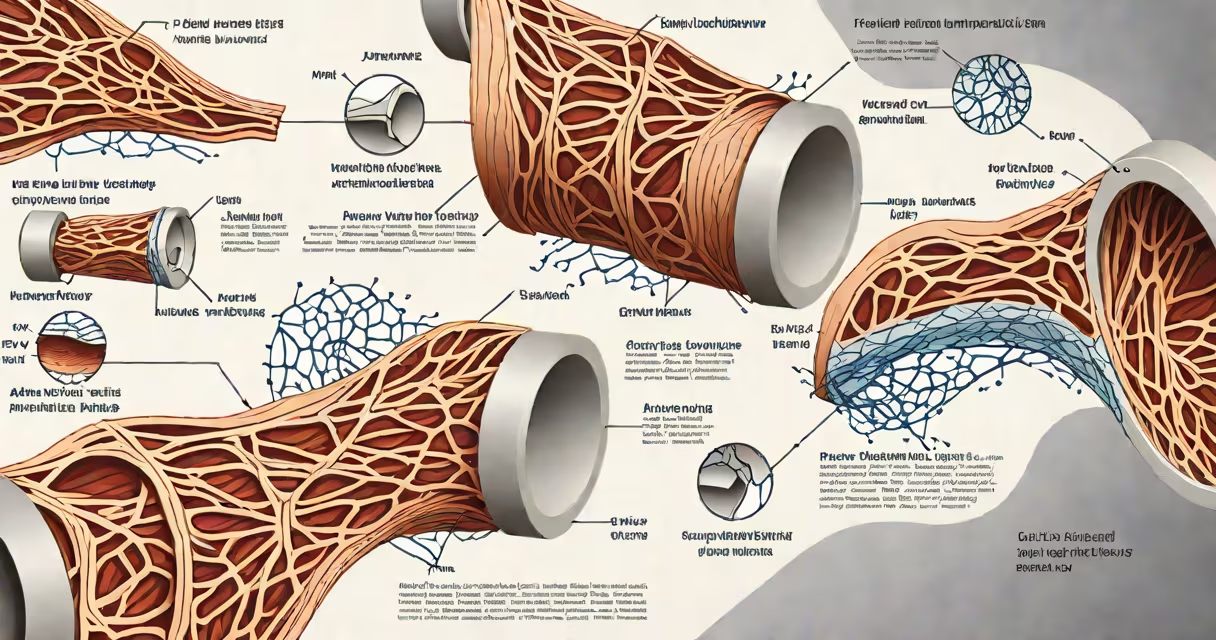
Yes, minor muscle tears can heal on their own through the body's natural inflammatory and regenerative processes, but severe tears typically require medical intervention and may not fully recover without treatment.
Muscle tears occur when fibers stretch beyond their elastic limit, often due to sudden force, overuse, or poor conditioning. The body responds by initiating inflammation, recruiting satellite cells to rebuild damaged tissue, and gradually restoring strength. This process relies on rest, nutrition, and blood flow - all factors within the body's control.
The healing timeline varies based on tear grade. A Grade 1 tear (mild strain) may resolve in 1-3 weeks with minimal activity. A Grade 3 tear (complete rupture) requires surgical repair and months of rehabilitation. Most people don't realize that even moderate tears can take longer than expected - one study found that 60% of athletes with Grade 2 hamstring tears returned to sport too soon, leading to re-injury.
When a muscle tears, the body activates a four-phase repair cycle: inflammation, cleanup, regeneration, and remodeling. The first phase begins within minutes, with immune cells like neutrophils and macrophages clearing debris and releasing growth signals.
During the cleanup phase (24-72 hours), macrophages remove dead tissue. Satellite cells - dormant stem cells located beneath the muscle membrane - then activate and fuse to form new myofibers. These cells are critical: research shows that individuals with higher satellite cell density recover faster from muscle injuries.
Remodeling takes weeks to months. Collagen fibers align along mechanical stress lines, strengthening the repaired area. Without proper load management during this stage, scar tissue forms instead of functional muscle, reducing elasticity and increasing re-injury risk.
Doctors classify muscle tears into three grades based on severity:
| Grade | Description | Self-Healing Likelihood | Recovery Time |
|---|---|---|---|
| 1 | Minor strain with few torn fibers | High - full recovery likely without treatment | 1-3 weeks |
| 2 | Partial tear with significant pain and swelling | Moderate - requires rest and rehab; relapse common | 3-6 weeks |
| 3 | Complete rupture; loss of function | Low - surgery usually needed | 3-6 months post-op |
A Grade 1 tear often goes unnoticed until symptoms appear days later. For example, a runner who feels a sharp pull during a sprint may have a Grade 1 tear. With 48 hours of rest and gentle stretching, the injury resolves without medical care.
Grade 2 tears show clear signs: bruising, weakness, and inability to contract the muscle fully. These injuries rarely heal completely without controlled loading. Delaying rehab increases fibrosis - the formation of stiff, non-contractile tissue - which reduces performance and increases long-term injury risk.
Grade 3 tears involve a visible gap in the muscle belly. They are rare in healthy adults but common in older populations or those with chronic conditions like diabetes. A complete tear in the biceps or quadriceps almost always requires surgical repair. Without it, the muscle retracts and fails to regain function.
Many assume that "if it hurts, stop" is enough. But stopping activity doesn't guarantee healing - improper movement patterns during recovery can worsen damage. One study found that 40% of patients resumed high-intensity training within two weeks of a Grade 2 tear, leading to re-injury rates above 50%.
Another myth is that ice and compression alone fix the issue. While they reduce swelling, they don't address the underlying cellular repair process. Ice can delay healing if applied too aggressively - cold reduces blood flow, slowing immune cell recruitment.
I've seen this firsthand while working with amateur runners. One client ignored a mild groin pull, thinking it was just soreness. He ran a 5K two days later. The tear progressed from Grade 1 to Grade 2, requiring six weeks of physical therapy instead of three.
Self-healing stops when the injury exceeds the body's capacity to regenerate. Signs include persistent pain after 7-10 days, visible deformity, or inability to bear weight. These indicate a need for imaging - ultrasound or MRI - to assess the extent of damage.
Even mild tears benefit from early intervention. A 2021 review in the Journal of Orthopaedic & Sports Physical Therapy found that patients who began light resistance exercises within five days of injury had 30% better strength recovery at six weeks compared to those who waited.
For example, a 35-year-old cyclist with a Grade 1 quadriceps tear recovered in 10 days using RICE (rest, ice, compression, elevation) followed by daily 10-minute leg lifts. She avoided running for two weeks but returned to cycling at 70% intensity after three weeks.
Can muscle tears heal themselves? Yes - but only if they're mild and managed correctly. Severe tears do not self-repair. Understanding the difference between a strain and a rupture prevents delays in treatment and reduces long-term disability.