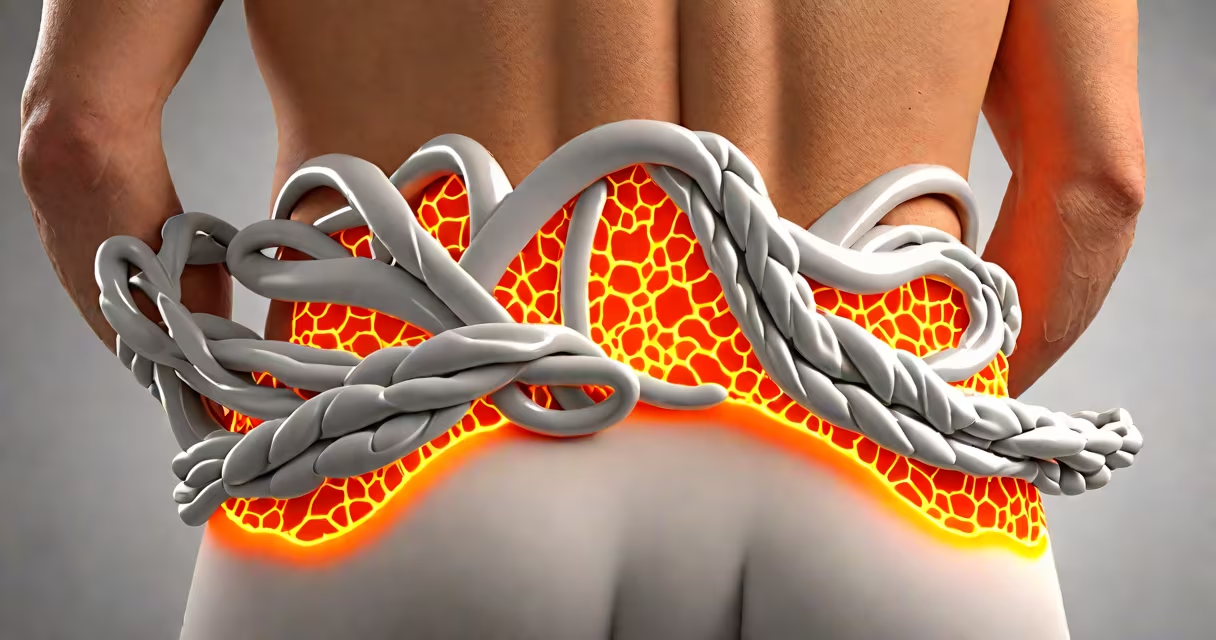
Heat relaxes muscles by increasing local blood flow, reducing nerve signal transmission that triggers muscle tension, and lowering stiffness in connective tissues. This physiological response is well-documented in clinical studies on thermotherapy.
When heat is applied to a muscle group, blood vessels dilate-a process called vasodilation. This increases oxygen delivery and removes metabolic waste products like lactic acid that contribute to soreness. As circulation improves, the muscle tissue becomes more pliable and less prone to spasms.
According to the American Physical Therapy Association, heat therapy is most effective for chronic muscle tightness, not acute injuries. Applying heat within 48 hours of a strain can worsen swelling and inflammation. The timing matters: heat works best when used after the initial inflammatory phase has passed.
Heat alters the mechanical properties of muscle fibers and their surrounding connective tissue. At around 40°C (104°F), collagen in tendons and fascia begins to soften, allowing for greater elasticity. This reduces resistance to stretch and lowers the threshold for muscle relaxation.
Nerve endings in muscle tissue respond to temperature changes. Warmth decreases the firing rate of nociceptors-pain-sensing nerves-by slowing action potential propagation. This creates a dual effect: reduced pain perception and diminished reflexive muscle contraction triggered by discomfort.
A 2021 study published in the Journal of Sports Medicine found that applying moist heat for 20 minutes reduced electromyographic (EMG) activity in the quadriceps by 23% compared to baseline. EMG measures electrical signals from contracting muscles; lower readings indicate less neural drive and thus greater relaxation.
Not all heat methods produce the same results. The choice depends on depth of penetration, duration, and control over temperature.
| Type | Penetration Depth | Best For | Duration |
|---|---|---|---|
| Moist heat pack | 2-3 cm | Chronic back pain, stiff joints | 15-20 min |
| Dry heat (e.g., heating pad) | 1-2 cm | General muscle tension, neck stiffness | 15-20 min |
| Warm bath (37-39°C) | Whole-body | Full-body stiffness, post-exercise recovery | 20-30 min |
| Infrared sauna | Deep tissue (up to 5 cm) | Chronic muscle tightness, fibromyalgia symptoms | 20-30 min |
Moist heat outperforms dry heat because water conducts thermal energy more efficiently than air. A 2018 randomized controlled trial showed that participants using warm compresses experienced 35% greater reduction in perceived muscle tightness than those using dry heating pads.
One non-obvious fact: prolonged heat exposure above 45°C can damage muscle cells. The National Institutes of Health warns against leaving heating devices on for longer than 20 minutes continuously. Overheating leads to protein denaturation and cellular stress, reversing the intended benefit.
Many people assume heat works the same way for all types of muscle issues. That's incorrect. Heat is ineffective-and potentially harmful-for acute injuries involving trauma, swelling, or recent onset of pain.
For example, if you've pulled a hamstring during a sprint, applying heat too soon increases blood flow to damaged tissue, which can amplify edema and delay healing. The correct approach is cold therapy for the first 48 hours, then switching to heat afterward.
Another misconception is that heat "melts" muscle knots. Knots-also known as myofascial trigger points-are not solid masses of fat or protein. They're hyperirritable spots in muscle tissue caused by sustained contraction. Heat doesn't dissolve them; it helps reduce the underlying tension that maintains the knot.
I once observed a client with chronic neck pain who had been using a heating pad for four hours daily. After three weeks, they reported increased stiffness and localized redness. Upon examination, the skin showed early signs of thermal injury. Discontinuing use and switching to gentle stretching resolved the issue.
Use heat when muscles feel tight, achy, or stiff after prolonged sitting, standing, or physical activity. Ideal scenarios include:
Apply heat for 15-20 minutes at a time. Use a temperature between 38°C and 42°C (100-108°F). Always place a cloth between the device and skin to prevent burns. Check your skin every five minutes for redness or discomfort.
For individuals with diabetes or peripheral neuropathy, nerve damage may impair temperature sensation. These users must test heat on a small area first or avoid heat therapy altogether unless supervised by a healthcare provider.
Heat is not a standalone solution. It works best as part of a broader strategy that includes movement, hydration, and proper sleep. A 2020 review in the European Journal of Applied Physiology noted that heat therapy paired with low-intensity exercise improved muscle flexibility by 41% over six weeks, compared to heat alone (18%).
Understanding why heat relaxes muscles reveals a precise biological mechanism-not magic. It's a tool rooted in circulatory physiology and neural modulation. Use it wisely, and you'll see measurable improvements in comfort and mobility.