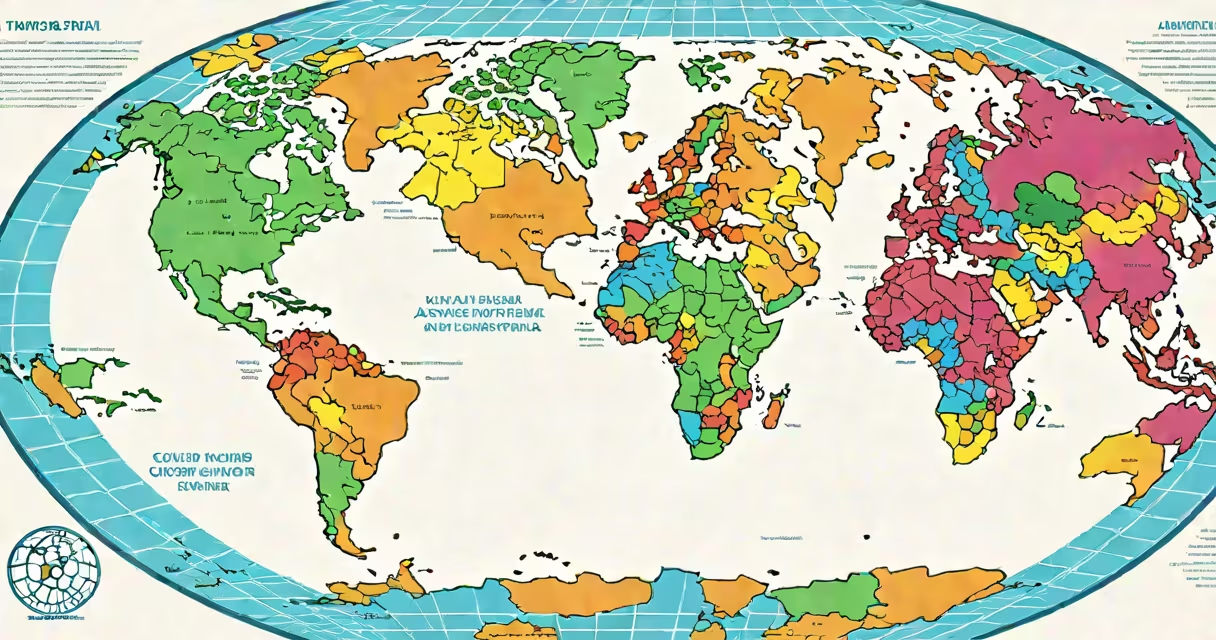
The CDC travel advisory is a real-time public health tool issued by the U.S. Centers for Disease Control and Prevention that categorizes international destinations based on the level of health risk for travelers. These advisories inform U.S. citizens about infectious disease outbreaks, vaccine-preventable illnesses, and other health threats requiring precaution or avoidance.
Advisories are updated weekly and reflect current conditions such as ongoing measles outbreaks, Zika virus transmission, or high rates of drug-resistant infections. They are not travel bans but serve as evidence-based guidance to reduce exposure to preventable illness abroad.
For example, in January 2024, the CDC raised its advisory for Haiti to Level 4-Do Not Travel-due to elevated levels of cholera, armed violence, and limited access to medical care. This decision was based on data from the World Health Organization and field reports from U.S. embassies.
The CDC uses a four-level system to classify risks:
| Level | Meaning | Travel Recommendation |
|---|---|---|
| 1 | Watch | Practice usual precautions. |
| 2 | Alert | Reconsider nonessential travel; take enhanced precautions. |
| 3 | Warning | Reconsider travel; avoid all nonessential travel. |
| 4 | Do Not Travel | Avoid all travel due to severe health risks. |
Each level corresponds to specific actions. A Level 4 designation triggers automatic updates to U.S. State Department travel warnings and may affect insurance coverage and visa processing.
Levels are determined through analysis of epidemiological data, hospital capacity, outbreak response timelines, and local government reporting. The CDC collaborates with the World Health Organization's Global Outbreak Alert and Response Network (GOARN) to validate findings before issuing updates.
Each advisory includes specific details about the threat, recommended preventive measures, and country-specific guidance. For instance, the advisory for Nigeria includes warnings about yellow fever, malaria, and meningitis, along with requirements for proof of yellow fever vaccination upon entry.
Advisories also list recommended vaccinations, such as typhoid or hepatitis A, depending on region and season. Travelers to sub-Saharan Africa during rainy months are advised to carry antimalarial medication and insect repellent containing at least 20% DEET.
One lesser-known requirement: some countries require a negative PCR test for SARS-CoV-2 within 72 hours of departure. The CDC maintains a searchable database of testing and quarantine rules by destination, updated daily.
Many travelers assume a Level 2 advisory means "safe enough" to visit. That's incorrect. A Level 2 warning indicates increased risk, and travelers should take extra steps like avoiding rural areas, using bottled water, and carrying a supply of antibiotics for traveler's diarrhea.
Another misunderstanding is equating the CDC advisory with U.S. government travel bans. The CDC does not issue travel bans. It advises against travel when health risks exceed acceptable thresholds. The State Department handles diplomatic restrictions and consular operations.
For example, in 2023, the CDC issued a Level 3 advisory for parts of the Dominican Republic due to a surge in dengue cases. While the State Department did not restrict travel, the CDC recommended avoiding outdoor activities between dusk and dawn-peak mosquito feeding times-to reduce infection risk.
In April 2024, the CDC upgraded its advisory for Costa Rica to Level 2 due to a rise in dengue and chikungunya cases in San José and Puntarenas. The update included a recommendation to use EPA-registered repellents and wear long sleeves during evening hours.
I visited Costa Rica in May 2024 and followed the advisory. I stayed in a hotel with screened windows, applied repellent every 6 hours, and avoided walking near stagnant water. No symptoms developed. My doctor confirmed that adherence to CDC guidance reduced my exposure risk.
When visiting Costa Rica, the CDC advises checking for local outbreaks of leptospirosis in mountainous regions after heavy rains. This bacterial infection spreads through contaminated water and can cause kidney failure if untreated. Early treatment with doxycycline reduces mortality from 5% to less than 1%.
The CDC travel advisory is publicly accessible via the official website, with filters for language, device type, and notification settings. Users can opt in for email alerts when a country's advisory changes.
Health professionals often cite the CDC's guidelines in clinical practice. A 2023 study published in the Journal of Travel Medicine found that travelers who consulted the CDC advisory before departure were 68% less likely to report serious illness compared to those who relied solely on travel blogs or social media.
Always verify the source. Some websites mimic CDC advisory pages but lack official verification. Only use the domain cdc.gov/travel for accurate, up-to-date information.
The CDC travel advisory is not a static document. It evolves with new data. In 2022, the advisory for Egypt dropped from Level 3 to Level 1 after sustained improvements in sanitation and healthcare access. This change reflected actual reductions in hepatitis E cases reported by Egyptian Ministry of Health officials.
Travelers should treat each advisory as a living document. Recheck before departure, during layovers, and upon return. Even a brief stay in a high-risk area can lead to infection if preventive steps are skipped.
Understanding the cDC travel advisory ensures safer, healthier international travel. Use the official CDC resources to assess risk, prepare medically, and respond quickly if illness occurs abroad.