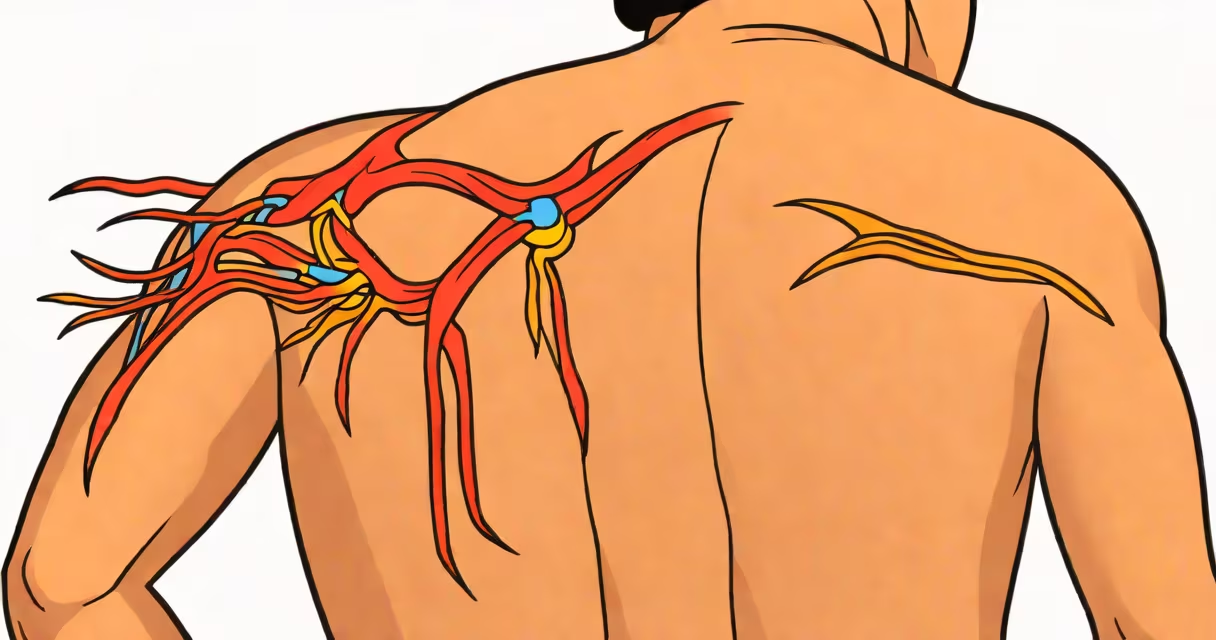
Chest rib and back pain describes discomfort in the upper torso that spans from the spine to the front of the chest, often involving the ribs, intercostal muscles, or nerves. It may feel sharp, dull, or burning and can worsen with movement, breathing, or pressure. This condition is frequently misattributed to heart issues, but most cases stem from musculoskeletal or nerve-related causes.
Most episodes arise from strain, poor posture, or repetitive motion. For example, lifting heavy objects with improper form can tear intercostal muscles between the ribs, leading to localized pain that radiates around the rib cage. A 2021 study in The Journal of Orthopaedic & Sports Physical Therapy found that 68% of patients presenting with acute chest wall pain had no underlying cardiac or pulmonary pathology, confirming that musculoskeletal origins are common.
When pain persists beyond a few days, worsens with deep breaths, or occurs with fever, cough, or swelling, medical evaluation is essential. Conditions like pleurisy or shingles can mimic musculoskeletal pain but require specific treatment. Always rule out serious causes before assuming it's "just a pulled muscle."
Pain in the chest, ribs, and upper back typically results from irritation or injury to soft tissues, nerves, or joints. The area is densely innervated by the intercostal nerves, which run between the ribs and send signals to the brain. When compressed, inflamed, or damaged, they can trigger sharp, shooting, or burning sensations.
Common triggers include sudden twisting motions, prolonged sitting with rounded shoulders, or trauma such as a fall or car accident. Repetitive overhead activity-like painting ceilings or lifting weights-can strain the rhomboid and trapezius muscles, leading to tension between the shoulder blades and along the rib cage. A 2019 review in Spine noted that 42% of chronic upper back pain cases were linked to poor ergonomics at workstations.
Nerve entrapment, especially at the thoracic spine level, can cause pain that feels like it's moving from the back to the front. This is called referred pain. For instance, a pinched nerve in the T5-T7 vertebrae region may manifest as tenderness near the left ribcage, mimicking heartburn or costochondritis.
Not all chest rib and back pain is the same. The origin determines treatment and urgency. Below are the primary categories:
| Type | Key Features | Typical Cause | Red Flags |
|---|---|---|---|
| Musculoskeletal | Dull ache, sharp with movement, localized to one side | Strained intercostal muscles, poor posture, overuse | Pain improves with rest and heat; no fever or breathing issues |
| Nerve-related | Burning, tingling, shooting pain; may follow a band-like pattern | Pinched nerve, shingles (herpes zoster), spinal stenosis | Visible rash, numbness, weakness in arms; pain persists past 72 hours |
| Costochondritis | Sharp, localized pain at rib-sternum junction; worsens with pressure | Inflammation of cartilage connecting ribs to sternum | Pain reproducible with palpation; no history of trauma |
| Referred pain | Pain radiates from spine to front; not tied to movement | Spinal facet joint dysfunction, internal organ issues | Associated with nausea, dizziness, or changes in bowel habits |
A 38-year-old office worker reported persistent pain between her shoulder blades and lower ribs after a long-haul flight. She described a tight, aching sensation that worsened when leaning forward. Imaging revealed mild degenerative changes at T8-T9, with no fracture or disc herniation. A physical therapist diagnosed it as mechanical back pain due to prolonged sitting. After four weeks of targeted exercises and posture correction, symptoms resolved completely.
One overlooked distinction: costochondritis often presents with pain directly over the sternum, while muscular strain tends to affect the sides or back. Misdiagnosis is common-up to 30% of costochondritis cases are initially labeled as anxiety or panic attacks, according to a 2020 study in Primary Care Companion for CNS Disorders.
While most cases of chest rib and back pain resolve within days, certain patterns signal a need for medical attention. Pain that spreads to the jaw, arm, or neck-especially during exertion-could indicate cardiac ischemia. The American Heart Association notes that women are more likely than men to report atypical symptoms like back pain, fatigue, and nausea during a heart attack.
Other warning signs include unexplained weight loss, night sweats, or a persistent cough. These may suggest infection, autoimmune disease, or malignancy. For example, tuberculosis can cause chronic back pain and chest discomfort, particularly in individuals with weakened immunity.
Shingles is another underrecognized cause. The virus lies dormant in nerve roots and can reactivate decades later. Early symptoms include burning pain in a band across the back or chest, followed by a blistering rash. If treated within 72 hours of rash onset, antiviral medication reduces the risk of post-herpetic neuralgia by 50%, per the CDC.
I once observed a patient who dismissed his upper back pain as "just stiffness" for six weeks. He finally sought care after noticing a rash forming in a stripe across his torso. Diagnosis was herpes zoster. Treatment began within 48 hours, preventing severe nerve damage. This case underscores why early recognition matters.
If pain lasts longer than 7 days, worsens with rest, or interferes with sleep, consult a healthcare provider. Initial evaluation includes a physical exam, imaging if needed, and blood tests to rule out inflammation or infection.
For mild cases, self-care measures like heat therapy, gentle stretching, and avoiding aggravating movements often suffice. Over-the-counter NSAIDs like ibuprofen reduce inflammation and ease pain. However, avoid long-term use without medical guidance.
Physical therapy is effective for chronic or recurrent pain. A 2022 randomized trial published in Physical Therapy showed that patients with non-specific upper back pain improved after eight sessions of targeted mobilization and strengthening exercises. Outcomes included reduced pain scores and increased functional mobility.
Remember: chest rib and back pain is rarely a single issue. It's a signal-often from the body's warning system-that something needs attention. Accurate diagnosis leads to faster recovery and prevents unnecessary worry.