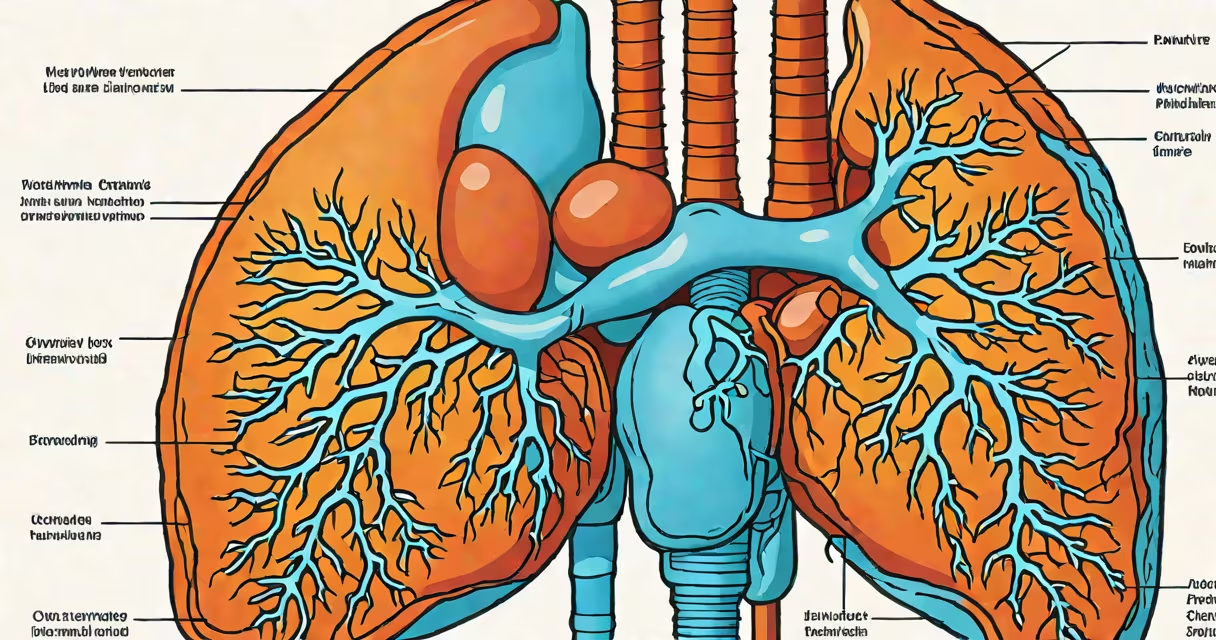
Congestive heart failure (CHF) is a chronic condition where the heart muscle weakens and cannot pump blood efficiently, leading to fluid backup in the lungs, legs, and abdomen. It's not a sudden event but a progressive disorder often linked to untreated high blood pressure, coronary artery disease, or prior heart attacks.
CHF doesn't mean the heart stops-it means it struggles to meet the body's demand for oxygen-rich blood. As the heart's pumping capacity drops, blood pools in veins, increasing pressure and forcing fluid into surrounding tissues. This process defines the "congestive" part of the name: congestion from excess fluid.
The American Heart Association reports that about 6.2 million adults in the U.S. have heart failure, with CHF being the most common form. It's a leading cause of hospitalization among people over 65, and survival rates drop after diagnosis if not managed properly.
When the left ventricle-the heart's main pumping chamber-loses strength, it fails to eject enough blood with each beat. This reduces cardiac output, meaning less oxygen reaches muscles and organs. The body responds by activating the renin-angiotensin-aldosterone system (RAAS), which increases blood volume and pressure to compensate.
This compensation worsens the problem. Extra fluid increases preload (volume entering the heart), stretching the heart muscle further. Over time, the heart remodels-enlarges and thickens-becoming less efficient. Fluid leaks into lung tissue, causing pulmonary edema, and into the legs and belly, resulting in swelling (edema).
A 2021 study in *Circulation* found that patients with reduced ejection fraction (HFrEF)-where the left ventricle pumps out less than 40% of blood per beat-have a higher risk of death within five years compared to those with preserved ejection fraction (HFpEF), where the heart contracts normally but fills poorly.
CHF is categorized by which side of the heart fails and how well the heart contracts. The two primary types are left-sided and right-sided failure, though both often occur together.
| Type | Primary Symptoms | Underlying Mechanism |
|---|---|---|
| Left-sided CHF | Shortness of breath, coughing at night, fatigue, orthopnea (need to sleep upright) | Fluid backs up into lungs due to weak left ventricular contraction |
| Right-sided CHF | Swelling in ankles and feet, bloating, weight gain, jugular venous distension | Backward pressure from low cardiac output causes systemic fluid retention |
| HFrEF (reduced EF) | Progressive fatigue, exercise intolerance, rapid breathing | Ejection fraction below 40%; heart muscle damage impairs contraction |
| HFpEF (preserved EF) | Similar symptoms but ejection fraction ≥50% | Heart contracts normally but stiffens, impairing filling during relaxation |
HFpEF is increasingly common, especially in older adults with diabetes or hypertension. A 2022 review in *The Lancet* noted that HFpEF accounts for nearly half of all heart failure cases, yet it remains underdiagnosed because symptoms mimic other conditions like COPD or obesity-related fatigue.
Many assume CHF means the heart has stopped. That's false. CHF is a functional decline, not a mechanical failure. The heart keeps beating, but inefficiently. Patients may live for years with stable symptoms if treated early.
Another misconception: CHF is synonymous with "heart attack." While a heart attack can trigger CHF, they're different. A heart attack is a sudden blockage of blood flow to heart muscle. CHF is a long-term consequence that may develop months or years later.
Some confuse CHF with arrhythmias or cardiomyopathy. Cardiomyopathy is a disease of the heart muscle itself-often the root cause of CHF. Arrhythmias involve irregular heartbeats, which can worsen CHF but aren't the same condition.
CHF is not a single disease. It's a syndrome-a collection of symptoms and signs caused by multiple underlying issues. This complexity makes diagnosis challenging without imaging and lab tests.
Consider a 68-year-old man with a history of uncontrolled hypertension and a previous heart attack. He begins waking up gasping for air, needing two pillows to sleep. His ankles swell visibly. He feels tired after walking just 10 steps.
At his doctor's visit, a chest X-ray shows enlarged heart shadow and fluid in the lungs. An echocardiogram reveals an ejection fraction of 32%-well below normal. He's diagnosed with left-sided HFrEF.
His treatment plan includes an ACE inhibitor (lisinopril), a beta-blocker (carvedilol), and a diuretic (furosemide). Within six weeks, his symptoms improve. He loses 5 pounds of fluid, walks farther without stopping, and sleeps through the night.
This case illustrates how CHF progresses slowly and responds to targeted therapy. Early detection and consistent medication adherence are critical to slowing decline.
I've seen a patient with CHF manage their condition for over seven years using daily weight tracking and symptom logs. They recorded their weight every morning, noting any sudden gain-over 2 pounds in 24 hours signaled fluid retention. This simple practice caught worsening symptoms before hospitalization was needed.
They also tracked their walking distance and shortness of breath on a scale from 1 to 10. When scores rose, they contacted their provider. This proactive monitoring reduced emergency visits by 70% over two years.
While CHF is a serious condition, it's not a death sentence. With proper treatment, many people maintain good quality of life for years. Medications, lifestyle changes, and regular follow-ups slow progression and reduce complications.
Recognizing CHF early improves outcomes. Knowing what it is-how it develops, how it affects the body, and how it's treated-empowers action.