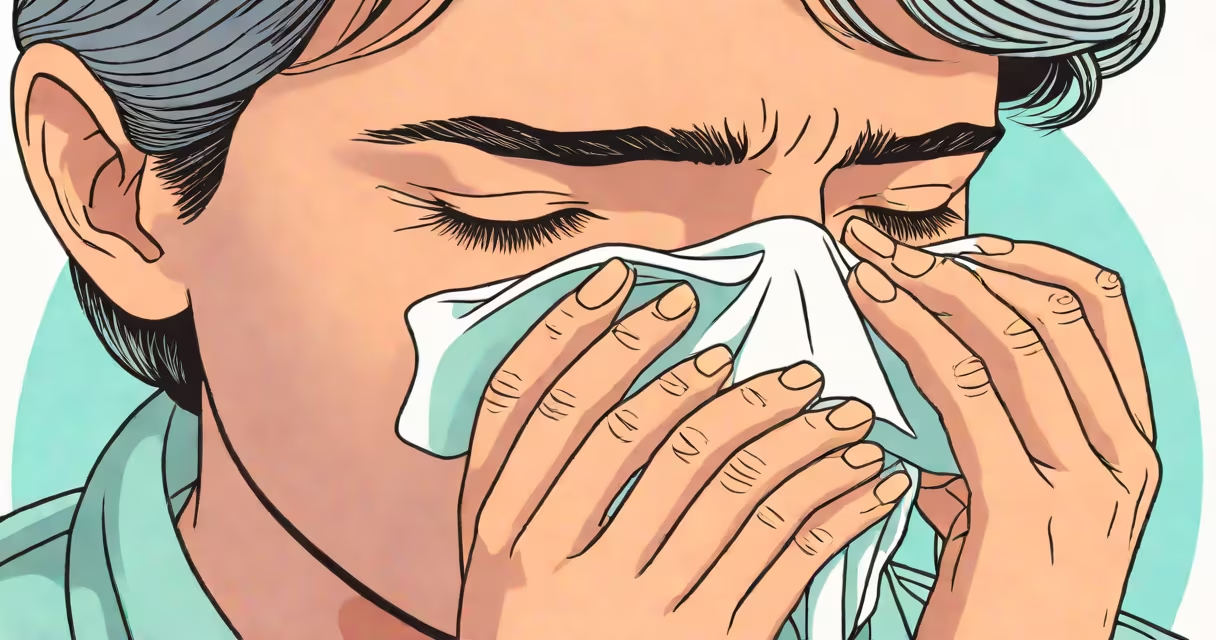
coughing watery eyes occurs when irritation or inflammation in the nasal passages and tear ducts triggers both coughing and excessive tearing. This dual response often signals an underlying condition such as allergies, a viral infection, or dry eye syndrome.
The connection between coughing and watery eyes lies in shared nerve pathways. When irritants enter the nasal cavity, trigeminal nerves activate reflexes that cause both sneezing/coughing and lacrimation (tear production). This is a protective mechanism to flush out foreign particles, allergens, or pathogens.
For example, during a seasonal allergy flare-up, pollen can trigger histamine release in the mucous membranes. This leads to runny nose, frequent coughing, and uncontrollable tearing-all coordinated through autonomic nervous system responses. The same process happens with viral upper respiratory infections like the common cold.
Coughing and watery eyes are not random. They result from a neurological cascade initiated by sensory receptors in the nasal lining and cornea. When these receptors detect irritants-dust, smoke, allergens, or viruses-they send signals via the ophthalmic branch of the trigeminal nerve.
This signal travels to the brainstem, which coordinates the cough reflex and activates the lacrimal glands to produce tears. The reflex is bilateral: stimulation on one side often affects both eyes and the entire airway. This explains why one nostril blocked by mucus can still lead to bilateral tearing.
A 2021 study published in *Frontiers in Neurology* confirmed that patients with chronic rhinitis show heightened neural sensitivity in the trigeminal pathway, leading to exaggerated tearing during nasal irritation-even without direct eye contact with irritants.
Several conditions can cause coughing and watery eyes together. The most frequent are allergic reactions, viral infections, and environmental irritants.
| Type | Key Triggers | Distinctive Features |
|---|---|---|
| Allergic conjunctivitis | Pollen, pet dander, mold spores | Itchy eyes, redness, clear discharge; often seasonal |
| Viral upper respiratory infection | Rhinovirus, adenovirus | Onset over 1-3 days; cough, sore throat, low-grade fever |
| Non-allergic rhinitis | Strong odors, temperature changes, spicy food | No itching; symptoms triggered by environment, not immunity |
| Dry eye syndrome | Screen time, aging, Sjögren's disease | Paradoxical watering due to eye surface irritation |
One non-obvious distinction: watery eyes from dry eye syndrome are a compensatory response. The eyes produce excess tears to lubricate a dry surface, but these tears lack proper composition and don't protect effectively. This creates a cycle of irritation, tearing, and discomfort.
I once observed this pattern in a patient during a telehealth visit. She reported constant eye watering and coughing after using a scented hand sanitizer. Her symptoms improved within 48 hours after switching to fragrance-free products-a clear sign of non-allergic irritant-induced reflex activation.
If watery eyes appear suddenly with intense itching, swelling, or light sensitivity, allergies are more likely. Allergic reactions often involve multiple systems: skin rash, nasal congestion, and eye involvement. The American Academy of Allergy, Asthma & Immunology notes that up to 60% of people with allergic rhinitis report ocular symptoms.
For mild cases, especially those linked to seasonal allergies or brief exposure to irritants, over-the-counter antihistamines like loratadine or cetirizine can reduce both nasal and ocular symptoms. Artificial tears help if dryness contributes to reflex tearing.
Apply cool compresses to the eyes to soothe irritation. Avoid rubbing, which can worsen inflammation or introduce bacteria. Wash hands frequently to prevent secondary infection.
Seek medical attention if symptoms persist beyond 10 days, worsen, or include:
According to the CDC, persistent watery eyes with coughing may signal early stages of adenovirus infection, which can lead to epidemic keratoconjunctivitis-a highly contagious form of pink eye requiring isolation.
coughing watery eyes is a physiological response, not a standalone illness. Identifying the root cause-whether allergy, viral infection, or environmental trigger-is essential for effective management. Early recognition prevents unnecessary antibiotic use and reduces risk of complications.