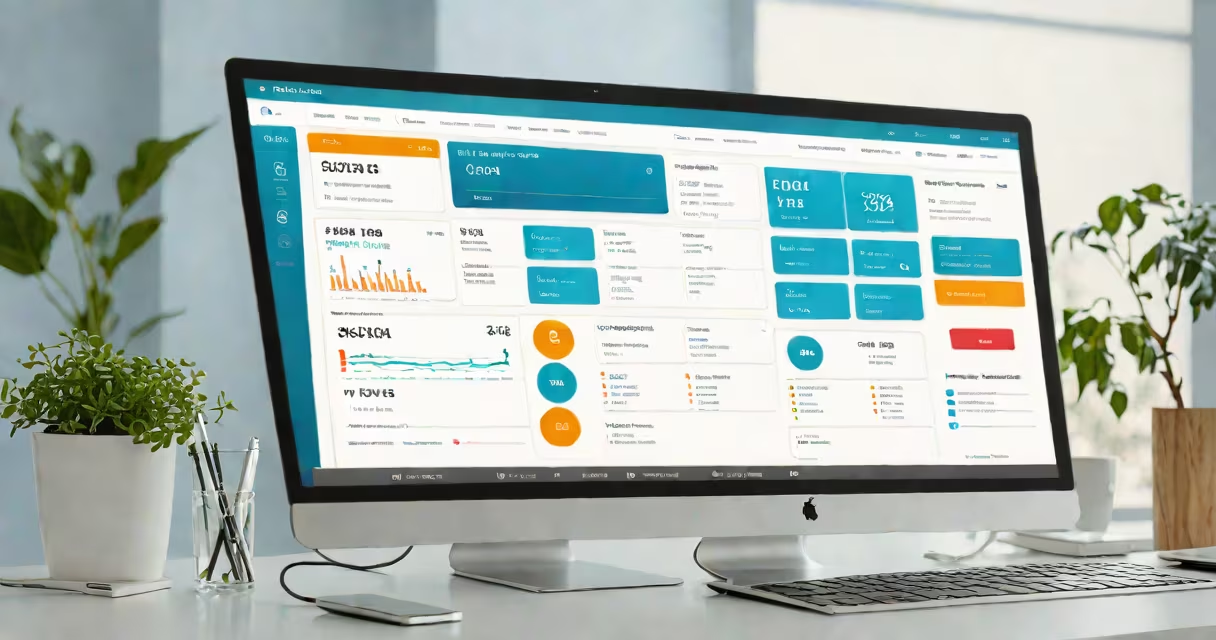
A digital care hub is a unified digital platform that integrates patient data, clinical workflows, and communication tools to support coordinated, continuous care across settings. It enables real-time access to health records, remote monitoring, secure messaging, and automated alerts-all designed to improve care quality and reduce gaps in treatment.
These systems act as a central nervous system for care teams. They pull data from electronic health records (EHRs), wearable devices, lab results, and patient-reported outcomes into a single view. Clinicians use this to track chronic conditions, adjust treatments, and intervene early when risks rise. Patients access their own data, schedule visits, request prescription refills, and communicate with providers through a consistent interface.
The core function is coordination. Instead of fragmented systems-where a diabetes patient's glucose readings, medication list, and follow-up appointments live in separate apps-the digital care hub consolidates them. This reduces errors, prevents duplication, and ensures timely responses. For example, if a patient's blood pressure spikes during a home check, the system flags it automatically and sends a notification to the care team, who may then call the patient within hours.
Digital care hubs rely on interoperability standards like FHIR (Fast Healthcare Interoperability Resources) to connect disparate systems. Data flows from EHRs, medical devices, patient portals, and pharmacy systems into a central database. Once ingested, the platform applies logic rules-such as thresholds for abnormal readings-to trigger actions.
For instance, a heart failure patient wears a smart scale and blood pressure monitor. Daily readings sync to the hub. If weight increases by 2 kg over 48 hours-a known sign of fluid retention-the system generates a clinical alert. A nurse reviews the alert, contacts the patient, and adjusts diuretic dosing before hospitalization becomes necessary.
These platforms also include workflow automation. Scheduled reminders for medication adherence, follow-up visits, or screening tests are sent via app, SMS, or email. Care managers can assign tasks, track completion, and document interventions-all within the same environment. This reduces administrative burden and keeps care plans aligned with clinical guidelines.
Digital care hubs vary by scope and integration level. The most advanced systems offer full lifecycle management for complex conditions. Others focus on specific functions like remote monitoring or behavioral health support.
| Type | Scope | Use Case | Example |
|---|---|---|---|
| Integrated EHR-Centric Hub | Full clinic or hospital network | Chronic disease management | EPIC's Care Management module |
| Remote Patient Monitoring (RPM) Platform | Home-based tracking for high-risk patients | Heart failure, COPD, diabetes | Current Health's RPM solution |
| Behavioral Health Integration Hub | Coordinated mental health and primary care | Depression screening, therapy scheduling | Spring Health's care coordination tool |
| Specialty Care Coordination Hub | High-complexity conditions | Cancer care, transplant follow-up | MyChart Oncology (integrated with Epic) |
Not all platforms qualify as true digital care hubs. Some are siloed tools that collect data but don't coordinate care. A true hub enables cross-functional action-like automatically routing a flagged lab result to the right clinician based on specialty, location, and workload.
One non-obvious distinction: a digital care hub is not the same as a patient portal. While both serve patients, portals typically provide read-only access to records and appointment booking. A digital care hub includes decision support, automated workflows, and team collaboration features. It's not just a window-it's a command center.
Health systems deploy digital care hubs to meet value-based care goals. Medicare's Chronic Care Management (CCM) program requires regular outreach and documentation for patients with two or more chronic conditions. A digital care hub automates much of this work, reducing manual charting and improving compliance.
For example, a large health network in Minnesota implemented a digital care hub for diabetes patients. Over 12 months, they saw a 32% reduction in emergency department visits and a 24% drop in hospital admissions. Patients reported feeling more supported, and clinicians spent 40% less time on routine follow-ups.
These platforms are especially effective in rural areas where specialist access is limited. A telehealth-enabled hub allows a primary care provider in a small town to consult with a nephrologist remotely, using real-time data from the patient's home dialysis machine. The hub ensures both parties see the same updated metrics, preventing miscommunication.
According to the Office of the National Coordinator for Health IT (ONC), interoperable digital care hubs reduce avoidable hospitalizations by up to 20% in populations with multiple chronic conditions. The American Medical Association (AMA) reports that practices using such systems achieve higher patient satisfaction scores and better adherence to preventive care guidelines.
Many assume digital care hubs require major infrastructure changes. In reality, many operate as cloud-based services that integrate with existing EHRs via APIs. Providers don't need to replace their current systems-they extend them.
Another misconception is that these platforms are only for tech-savvy users. In practice, successful hubs prioritize usability. A study published in *JAMA Network Open* found that 86% of older adults (65+) were able to complete basic tasks-like viewing lab results or sending a message to their doctor-within five minutes of training.
I once observed a pilot project in a community health center where staff trained patients with low health literacy to use a simplified version of a digital care hub. The interface used icons, large text, and audio prompts. After three weeks, 78% of participants could independently check their medication schedule and report symptoms. The center reduced missed appointments by 37% in six months.
A digital care hub is not a replacement for human interaction. It supports care teams by handling repetitive tasks and surfacing urgent issues. The most effective implementations combine automation with timely human judgment-like a nurse reviewing an alert before contacting a patient.
When evaluating a platform, look for evidence of clinical validation. Not all vendors publish outcomes data. Ask whether the system has been tested in real-world settings with measurable improvements in patient outcomes or operational efficiency.
At its best, a digital care hub turns fragmented care into a synchronized effort. It doesn't just store data-it acts on it. And in an era of rising chronic disease rates and workforce shortages, that kind of coordination isn't optional-it's essential.