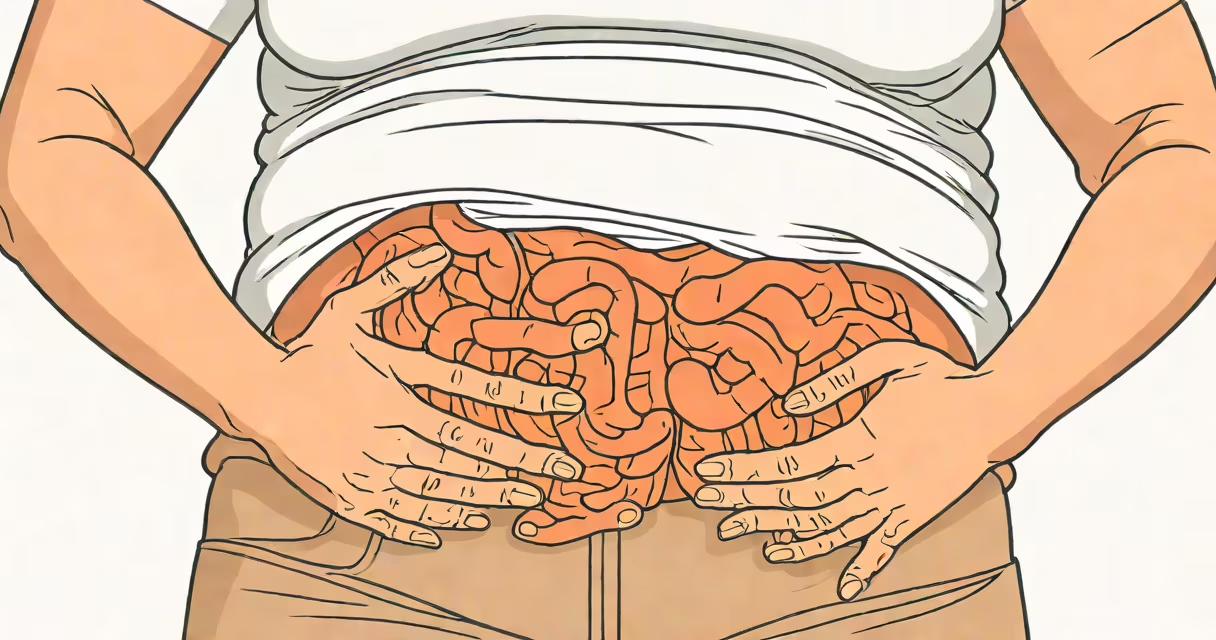
Diverticulitis occurs when small pouches in the colon wall, called diverticula, become inflamed or infected. Symptoms typically include sudden, severe abdominal pain-most often on the lower left side-fever, nausea, and changes in bowel habits. Treatment ranges from oral antibiotics and dietary adjustments to hospitalization or surgery in complicated cases.
Diverticula form when weak spots in the colon wall bulge outward under pressure. This happens more frequently with low-fiber diets, which lead to harder stools and increased straining during bowel movements. Over time, these pouches can trap stool, allowing bacteria to grow and cause inflammation. Not everyone with diverticula develops symptoms-about 20% of people with diverticulosis progress to diverticulitis.
When infection sets in, the immune system responds with localized swelling, pain, and systemic signs like fever. In severe cases, the inflamed area may rupture, leading to abscess formation or peritonitis-a life-threatening condition requiring immediate surgical intervention.
According to the American College of Gastroenterology, acute diverticulitis affects approximately 1 in 10 people over age 60, with men more likely to develop complications than women.
The most frequent symptom is sharp, constant pain in the lower left abdomen. Pain may worsen with movement or pressure. Other signs include fever (often above 100.4°F), chills, nausea, constipation, or diarrhea. Some patients report bloating or a feeling of incomplete evacuation.
Red flag symptoms require urgent medical evaluation:
A 2021 study published in Gastroenterology found that nearly 30% of patients presenting with suspected diverticulitis had misdiagnoses initially-often mistaking it for irritable bowel syndrome or urinary tract infections due to overlapping symptoms.
Doctors classify diverticulitis into uncomplicated and complicated forms. Uncomplicated cases involve mild to moderate symptoms without abscesses, perforation, or obstruction. Complicated cases require hospitalization and sometimes surgery.
| Severity Level | Typical Symptoms | Treatment Approach |
|---|---|---|
| Uncomplicated | Mild to moderate pain, low-grade fever, normal blood work | Oral antibiotics (e.g., ciprofloxacin + metronidazole), clear liquids, then gradual return to soft foods |
| Complicated | High fever (>102°F), rebound tenderness, elevated white blood cell count | Hospital admission, IV antibiotics, imaging (CT scan), possible drainage or surgery |
For uncomplicated diverticulitis, guidelines from the American Society of Colon and Rectal Surgeons recommend a 10-day course of broad-spectrum antibiotics. A 2022 randomized trial showed that patients who received antibiotics had a 60% lower risk of recurrence within six months compared to those managed conservatively.
During recovery, patients are advised to follow a low-fiber diet initially, then gradually reintroduce fiber-rich foods like oats, beans, and vegetables. High-fiber intake reduces colonic pressure and lowers the risk of future episodes.
Diverticulitis is often mistaken for other gastrointestinal disorders. For example, Crohn's disease can mimic diverticulitis with chronic lower abdominal pain and diarrhea, but it typically affects younger adults and involves skip lesions on imaging rather than localized inflammation near sigmoid colon diverticula.
Another common confusion is with pelvic inflammatory disease (PID) in women. PID presents with lower abdominal pain and fever but usually includes abnormal vaginal discharge and a history of sexually transmitted infections. Ultrasound and pelvic exam help distinguish between the two.
A key diagnostic clue is the location: diverticulitis pain is almost always on the lower left side. Right-sided pain suggests alternative diagnoses such as appendicitis or gallbladder issues. CT scans remain the gold standard for confirming diverticulitis, showing thickened colon walls, fat stranding, and sometimes a visible abscess.
One non-obvious fact: contrary to past advice, patients do not need to avoid nuts, seeds, or popcorn during an acute episode. A 2019 meta-analysis in Alimentary Pharmacology & Therapeutics found no association between seed consumption and increased risk of diverticulitis flare-ups.
Consider a 58-year-old man with a history of occasional constipation. He experiences sudden onset of sharp lower left abdominal pain, fever of 101.2°F, and two days of constipation. He visits his primary care provider, who orders a CT scan. The scan shows thickening of the sigmoid colon wall with surrounding fat stranding and a small pericolonic abscess measuring 2.5 cm.
He is admitted to the hospital, started on IV ceftriaxone and metronidazole, and placed on NPO (nothing by mouth) status. After 48 hours, his fever resolves, and he begins a clear liquid diet. On day 5, he transitions to soft foods. By day 7, he is discharged with a prescription for oral ciprofloxacin and metronidazole for five more days.
Follow-up imaging at four weeks shows resolution of the abscess. His doctor recommends increasing daily fiber intake to 25 grams through whole grains, legumes, and fruits, and advises regular physical activity to support gut motility.
After an episode, patients face a 30% chance of recurrence within five years. Prevention focuses on lifestyle modifications: high-fiber diet (25-30 g/day), regular exercise, and avoiding prolonged use of NSAIDs like ibuprofen, which increase intestinal permeability and inflammation risk.
For individuals with recurrent episodes, elective sigmoid colectomy may be recommended. A 2020 study in Annals of Surgery found that laparoscopic resection reduced recurrence rates to less than 5% over ten years.
Early recognition of diverticulitis symptoms and timely treatment reduce complications. Most patients recover fully with appropriate care, especially when preventive measures are adopted.