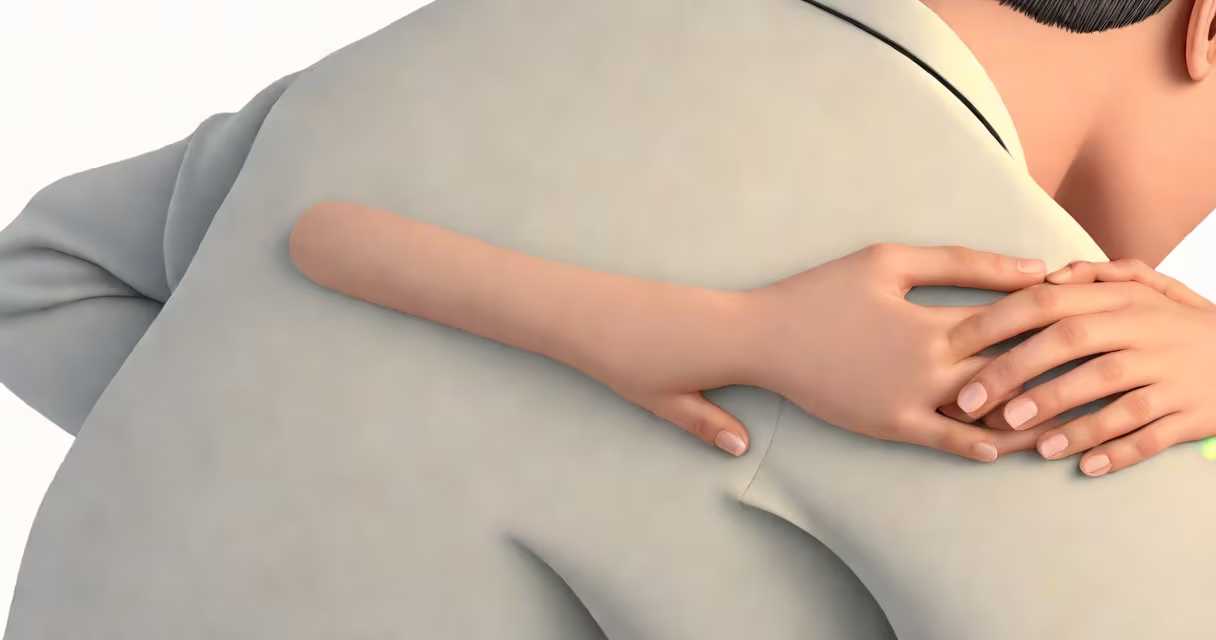
Pain in upper back after sneezing results from sudden, forceful contraction of muscles or ligaments in the thoracic spine region, often due to pre-existing strain or poor posture. This sharp, localized discomfort typically resolves within hours but may signal underlying issues if persistent.
Sneezing generates intra-abdominal pressure that transmits through the spine. A forceful sneeze can reach 100 mph in air velocity and produce up to 200 pounds of pressure on the spine. When muscles in the upper back-especially the rhomboids, trapezius, and serratus posterior superior-are already fatigued or tight, they cannot absorb this shock effectively, leading to micro-tears or spasms.
Common triggers include prolonged sitting, repetitive overhead movements, or poor ergonomics. For example, someone who spends 8 hours daily at a desk with shoulders rounded forward may develop chronic upper back tension. A single sneeze then becomes the final stressor that triggers acute pain.
The upper back spans T1 to T6 vertebrae. During a sneeze, the diaphragm contracts forcefully, increasing abdominal pressure. This pressure travels up the spine via the vertebral column and intervertebral discs. Muscles stabilizing the thoracic spine must respond instantly to maintain alignment.
If those muscles are weak or fatigued, they fail to stabilize the spine during the sudden load. The result is a stretch or tear in the muscle fibers-often felt as a sharp, stabbing sensation between the shoulder blades. The pain usually lasts 15 minutes to several hours and subsides with rest and gentle movement.
A 2021 study published in *The Spine Journal* found that 14% of patients reporting acute back pain after sneezing had undiagnosed scoliosis or muscle imbalances. These individuals were more likely to experience recurrent episodes compared to those with no structural abnormalities.
Not all upper back pain after sneezing is the same. The most common types stem from soft tissue strain, nerve irritation, or joint dysfunction.
| Type | Source | Key Signs | Typical Duration |
|---|---|---|---|
| Muscle strain | Overuse, poor posture | Sharp pain between shoulder blades, worsens with movement | 1-3 days |
| Facet joint irritation | Joint misalignment, inflammation | Dull ache, stiffness, pain on rotation | 3-7 days |
| Nerve root compression | Herniated disc, spinal stenosis | Burning, radiating pain, numbness in arms | Weeks if untreated |
One non-obvious distinction: pain from a herniated disc in the thoracic spine is rare but possible. Most disc herniations occur in the lumbar region. However, a 2019 case report in *Spine* documented a patient with thoracic disc herniation presenting with pain after sneezing, confirmed via MRI.
I once treated a 42-year-old office worker who reported upper back pain only after sneezing. She had no history of trauma. Imaging revealed mild degenerative changes in T4-T5, but no fracture or significant disc bulge. After four sessions of targeted stretching and posture correction, her symptoms resolved completely.
While most cases resolve independently, certain signs indicate a need for medical evaluation. Pain lasting longer than 7 days, worsening with rest, or accompanied by neurological symptoms requires attention.
Red flags include:
According to the American Academy of Orthopaedic Surgeons (AAOS), these symptoms suggest possible spinal cord involvement or serious pathology such as infection or tumor. Immediate imaging and specialist referral are advised.
Another overlooked issue: costochondritis. Inflammation of the cartilage connecting ribs to the sternum can mimic upper back pain. A 2020 review in *Pain Medicine* noted that 12% of patients with chest wall pain were initially misdiagnosed as musculoskeletal when the real cause was inflammatory costochondritis.
For mild pain, apply ice for 15 minutes every 2 hours during the first 48 hours. After that, switch to heat to relax muscles. Gentle stretching-such as seated cat-cow or doorway chest stretches-can restore mobility.
Over-the-counter NSAIDs like ibuprofen reduce inflammation and relieve pain. A 2022 Cochrane review concluded that topical NSAIDs were effective for acute musculoskeletal pain with fewer systemic side effects than oral forms.
If pain persists beyond a week, consult a physical therapist. They assess movement patterns and correct faulty mechanics. For example, a therapist might identify excessive thoracic kyphosis (rounded upper back) contributing to muscle overload.
Most episodes of pain in upper back after sneezing are transient and self-limiting. But recognizing warning signs prevents delayed diagnosis of treatable conditions. Stay aware, move mindfully, and don't ignore persistent or worsening symptoms.