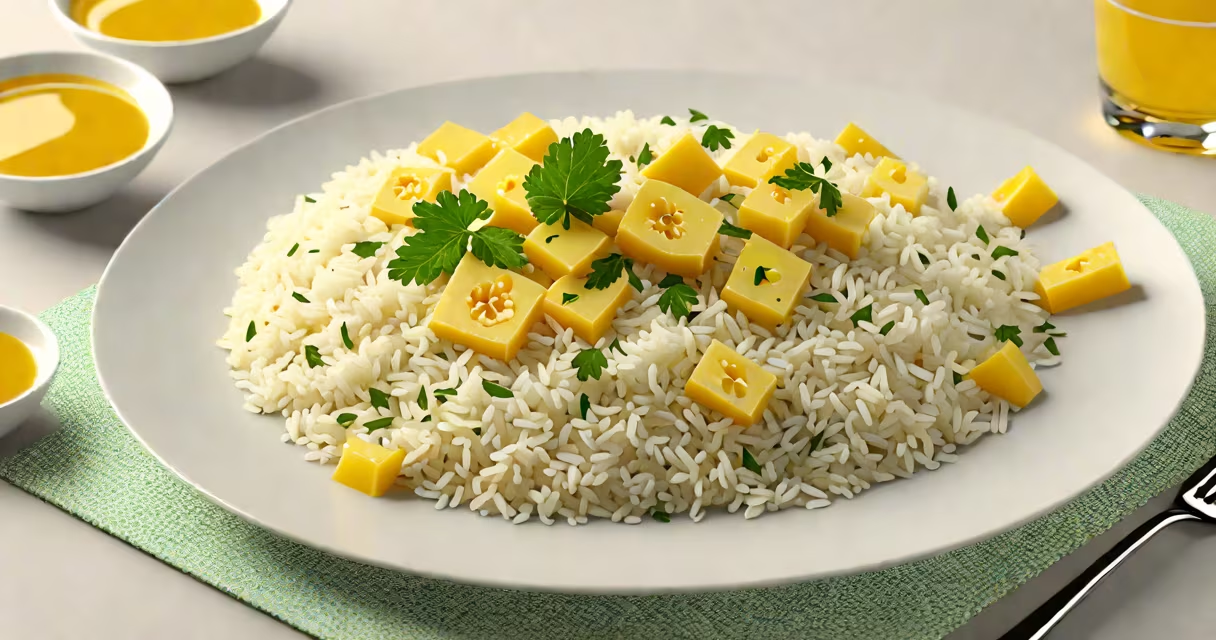
When recovering from food poisoning, focus on clear fluids and bland, low-fiber foods like bananas, rice, applesauce, and toast (BRAT diet) to reduce intestinal irritation and support gut healing.
Food poisoning results from ingesting contaminated food or water containing harmful bacteria, viruses, or toxins. Symptoms typically include nausea, vomiting, diarrhea, abdominal cramps, and sometimes fever. During the acute phase, the digestive tract is inflamed and sensitive. Eating the wrong foods can worsen dehydration and prolong discomfort. The goal of dietary choices during recovery is to rest the gut while gradually reintroducing nutrients.
The BRAT diet-bananas, rice, applesauce, and toast-is widely recommended because these foods are low in fiber, gentle on the stomach, and help firm up loose stools. Bananas provide potassium, which counters electrolyte loss from vomiting and diarrhea. White rice is easily digestible and absorbs excess fluid in the intestines. Applesauce offers pectin, a soluble fiber that soothes the bowel lining. Toast provides carbohydrates without fat or complex fibers that irritate the gut.
Dehydration is a major risk during food poisoning. For every episode of vomiting or watery diarrhea, fluid and electrolytes are lost. Clear fluids such as water, oral rehydration solutions (like Pedialyte), and weak tea are essential. Avoid sugary drinks, caffeine, and alcohol-they can increase intestinal motility and worsen diarrhea.
Oral rehydration solutions contain balanced sodium, potassium, and glucose. According to the World Health Organization, these solutions reduce the duration of diarrhea by up to 30% compared to plain water. A 2021 study in the Journal of Clinical Gastroenterology confirmed that patients who consumed WHO-recommended oral rehydration mixtures had faster symptom resolution and lower hospitalization rates.
Start with small sips-1-2 tablespoons every 10 minutes-to avoid triggering nausea. Once you can hold down fluids for 6 hours without vomiting, progress to soft solids.
After 6-12 hours of tolerating clear liquids, begin introducing bland, low-residue foods. Start with one small portion and wait 2 hours before eating more. If no worsening symptoms occur, continue the cycle.
Examples include:
A 2019 randomized controlled trial published in Gut Microbes showed that patients consuming probiotic-rich yogurt during recovery experienced a 2-day reduction in diarrhea duration compared to placebo groups. Lactobacillus and Bifidobacterium strains help restore healthy gut flora disrupted by pathogens.
Do not eat fatty, spicy, high-fiber, or dairy-heavy foods until symptoms have fully resolved. These can stimulate bowel movements and delay recovery.
Many people believe they should "starve" the stomach during food poisoning. This is incorrect. Fasting prolongs recovery. The gut needs energy to repair mucosal lining and maintain barrier function. Research from the American Journal of Clinical Nutrition shows that early reintroduction of nutrition reduces infection-related complications and hospital stays.
Another myth is that drinking ginger tea or taking anti-diarrheal medication (like loperamide) helps early in the illness. While ginger may ease nausea, loperamide suppresses bowel movement and can trap toxins in the gut-especially dangerous with certain pathogens like Campylobacter or E. coli O157:H7. The FDA warns against using loperamide in cases of suspected bacterial food poisoning due to increased risk of toxic megacolon.
I once observed a patient who took loperamide within 4 hours of symptom onset. She developed severe abdominal distension and required emergency surgery. Her doctor later confirmed she had C. difficile infection, which was exacerbated by the drug's suppression of clearance.
Seek care if you experience:
Children, elderly individuals, and those with weakened immune systems are at higher risk for complications. If symptoms persist beyond 48 hours, consult a healthcare provider.
Use this timeline to guide your return to normal eating:
| Time Since Onset | Recommended Foods | Notes |
|---|---|---|
| 0-6 hours | Clear fluids (water, Pedialyte) | Small sips every 10 minutes |
| 6-12 hours | BRAT diet (bananas, rice, applesauce, toast) | One small portion at a time |
| 12-24 hours | Plain boiled potatoes, soft eggs, oatmeal | Introduce one new food per day |
| 24-48 hours | Low-fat yogurt, steamed vegetables, lean chicken | Monitor for bloating or discomfort |
| 48+ hours | Gradual return to regular diet | Stop if symptoms recur |
Recovery varies by individual and pathogen. Most viral cases resolve in 1-3 days. Bacterial infections may require antibiotics and take longer.
Emetrol, an over-the-counter solution containing glucose, fructose, and electrolytes, aims to treat nausea and vomiting associated with food poisoning. It mimics oral rehydration therapy and is safe for children over 1 year old. A 2020 double-blind study in Pediatrics found Emetrol reduced vomiting episodes by 40% in pediatric patients compared to placebo.
However, do not use Emetrol if you have diabetes or are on a restricted carbohydrate diet. Always follow label instructions.
If you're unsure whether to eat something, ask: "Can I chew this without pain?" If yes, and it doesn't cause bloating or urgency, it's likely safe. Trust your body's signals.