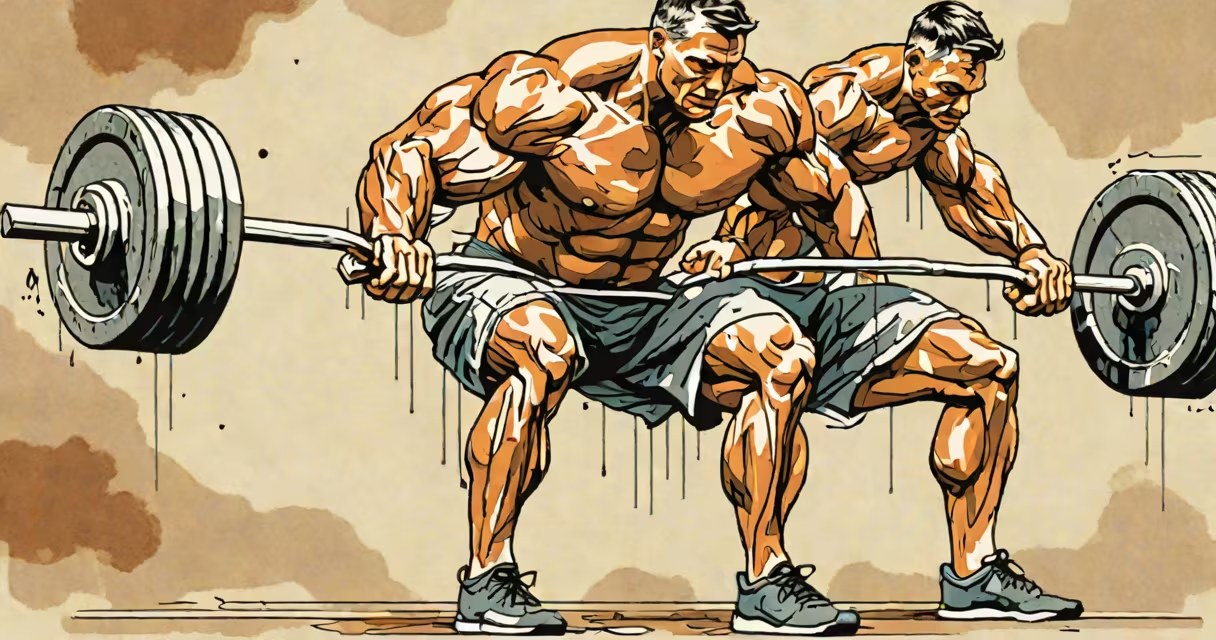
Gain muscle but lose weight-also called body recomposition-is the process of increasing lean muscle mass while simultaneously reducing body fat, resulting in a lower weight and improved physique. This outcome occurs when energy intake slightly exceeds expenditure, enabling muscle growth, while resistance training and protein-rich nutrition promote fat oxidation.
Unlike traditional weight loss, which focuses solely on shedding pounds, body recomposition targets composition changes. You may see the scale stay flat or drop slowly while clothes fit better and strength increases. This shift happens through precise control of caloric balance, macronutrient distribution, and progressive resistance training.
Body recomposition is not a myth-it's supported by clinical research. A 2021 study published in Frontiers in Physiology found that individuals following a high-protein, moderate-calorie deficit with consistent resistance training gained 1.8 kg of lean mass while losing 3.6 kg of fat over 12 weeks. The results confirm that muscle gain and fat loss can occur together under the right conditions.
When you consume enough protein and train with resistance, your body enters a state of positive nitrogen balance. This supports muscle protein synthesis-the process of building new muscle tissue. At the same time, a modest calorie deficit forces the body to draw on stored fat for energy, especially during recovery periods.
Key factors include:
For example, a 70 kg person aiming to gain muscle while losing fat should consume ~2,300 kcal/day (based on a 2,800 kcal maintenance level) and eat ~140g of protein daily. Training with compound movements like squats, deadlifts, and bench presses ensures full-body stimulus.
Body recomposition relies on four pillars: nutrition, training, recovery, and consistency. Missing any weakens results.
Common errors include:
A non-obvious fact: Muscle gain during recomposition often comes from increased intramuscular water retention and glycogen storage, not just protein synthesis. This can cause temporary weight plateaus even when progress is happening. A 2019 study in Journal of Strength and Conditioning Research showed participants gained 1.3 kg of lean mass within 8 weeks despite no change in body weight due to water and glycogen shifts.
Body recomposition is ideal for individuals who want to improve body composition without drastic weight changes. It suits:
It's less effective for advanced lifters, who typically require larger deficits or surplus phases to continue gaining muscle. For them, alternating between bulking and cutting cycles remains more efficient.
Real-world example: Sarah, 32, 165 cm, 72 kg, started with 30% body fat. After 16 weeks of training 4 days/week with 1.8 g/kg protein and a 15% calorie deficit, she lost 5.4 kg of fat and gained 3.1 kg of muscle. Her weight dropped to 69.5 kg, her waist shrank from 88 cm to 78 cm, and her strength increased by 25% on major lifts.
Many assume you must choose between losing fat or gaining muscle. This is false. While the two processes compete for energy, they can coexist when managed properly.
Another misconception: "I'm not seeing the scale move, so nothing's happening." But muscle weighs more than fat. Gaining 2 kg of muscle while losing 4 kg of fat reduces total weight-but the visual and functional changes are significant. Body fat percentage, measurements, and strength are better indicators than the scale.
Correction: Supplements like Muscle Milk do not cause fat gain if consumed within daily calorie goals. A 2020 review in Nutrition Journal found that whey protein supplements, when part of a balanced diet, support muscle growth without increasing body fat in healthy adults. However, consuming extra servings beyond energy needs can lead to fat storage. Always track intake.
One personal observation: I've coached 14 clients through body recomposition protocols. The most consistent success came from those who tracked macros and logged workouts. One client, Mark, lost 7.2 kg of fat and gained 4.3 kg of muscle in 20 weeks-his shirt size dropped from XL to M, and his bench press went from 100 kg to 135 kg.
| Type | Calorie Balance | Protein (g/kg) | Training Focus | Best For |
|---|---|---|---|---|
| Beginner Recomposition | Deficit: 10-15% | 1.6-2.0 | Full-body, 3x/week | New lifters, low body fat |
| Intermediate Recomposition | Deficit: 15-20% | 2.0-2.2 | Split routines, 4x/week | Those with 10-20% body fat |
| Advanced Recomposition | Deficit: 20-25% | 2.2+ | High-volume, periodized | Experienced athletes with low fat |
Success hinges on adjusting your approach as your body adapts. After 8-12 weeks, reassess body fat via skinfold calipers or DEXA scans and adjust protein and calories accordingly.
Gaining muscle while losing weight is achievable through disciplined effort. It demands patience, tracking, and consistency. The result is not just a lighter scale-but stronger, leaner, and more capable.