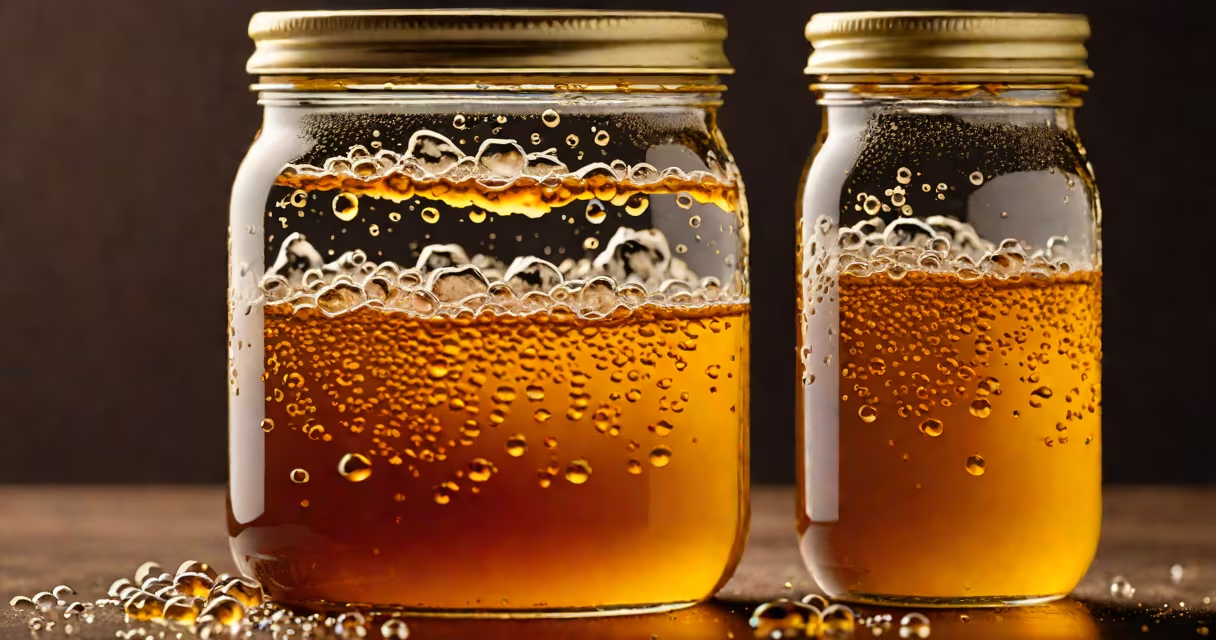
Fermentation is a metabolic process in which microorganisms like yeast and bacteria convert sugars into alcohol, organic acids, or gases in the absence of oxygen. It occurs naturally in foods and beverages and is used intentionally in brewing, baking, and preserving. This process relies on enzymes within microbes to break down glucose into simpler compounds, releasing energy for growth.
The core mechanism involves glycolysis-the breakdown of glucose into pyruvate-followed by further transformations depending on the organism. In lactic acid fermentation, pyruvate is converted into lactate, lowering pH and inhibiting spoilage organisms. In alcoholic fermentation, pyruvate becomes ethanol and carbon dioxide. These reactions happen without oxygen, making fermentation an anaerobic pathway.
Microbes drive the entire process. Lactobacillus species dominate in sauerkraut and yogurt, producing lactic acid. Saccharomyces cerevisiae, a brewer's yeast, converts maltose into ethanol and CO₂ during beer production. Each microbe has specific enzyme systems tuned to particular substrates and end products.
Glycolysis begins when glucose enters a cell and is split into two molecules of pyruvate through a series of enzymatic steps. This yields a net gain of two ATP molecules and two NADH molecules per glucose. Since fermentation lacks oxygen, the electron transport chain cannot function, so cells regenerate NAD⁺ by reducing pyruvate instead of passing electrons to oxygen.
In lactic acid fermentation, pyruvate accepts electrons from NADH, forming lactate. This regenerates NAD⁺, allowing glycolysis to continue. The reaction is catalyzed by lactate dehydrogenase. In alcoholic fermentation, pyruvate is first decarboxylated to acetaldehyde by pyruvate decarboxylase, then reduced to ethanol by alcohol dehydrogenase. Carbon dioxide is released as a byproduct.
A single gram of active yeast can ferment up to 10 grams of sugar per hour under optimal conditions. This rate drops sharply below 15°C or above 38°C, showing temperature sensitivity. In a typical homebrew batch, 1 kg of malt extract (containing ~600 g of fermentable sugars) produces about 5% alcohol by volume after 7 days at 20°C.
Three major types exist based on end products: lactic acid, alcoholic, and mixed-acid fermentation. Each serves distinct purposes in food, medicine, and industry.
| Type | Primary Microbe | End Products | Common Uses |
|---|---|---|---|
| Lactic Acid | Lactobacillus, Streptococcus | Lactate, small amounts of acetic acid | Sauerkraut, kimchi, yogurt, cheese |
| Alcoholic | Saccharomyces cerevisiae | Ethanol, CO₂ | Bread, beer, wine, spirits |
| Mixed-Acid | Enterobacteriaceae (e.g., E. coli) | Acetate, lactate, succinate, ethanol, CO₂, H₂ | Industrial bioreactors, gut microbiome |
Some fermented foods rely on multiple microbial groups. For example, traditional sourdough starters host both wild yeast and lactic acid bacteria. The yeast ferments sugars into CO₂, leavening the dough. The bacteria produce lactic and acetic acids, giving sourdough its tangy flavor and extending shelf life.
One non-obvious fact: fermentation doesn't require living microbes to proceed. Once enzymes are released from dead cells, they can still catalyze reactions. A 2019 study published in *Nature Microbiology* showed that lysed bacterial cells retained significant fermentative activity for up to 48 hours at room temperature, challenging the assumption that live cultures are essential.
Fermentation is often mistaken for spoilage. While both involve microbial growth, spoilage results in off-flavors, gas buildup, and texture degradation. Fermentation, by contrast, follows predictable patterns and produces desired outcomes. For example, a jar of miso paste may develop bubbles and a strong aroma-but if the pH drops below 4.5 and the smell is clean and umami-rich, it's safe and properly fermented.
Another misconception is that fermentation always produces alcohol. Only alcoholic fermentation does. Lactic acid fermentation generates no ethanol. In fact, many fermented foods like kefir and natto contain less than 0.5% alcohol-below legal thresholds for non-alcoholic labeling in the U.S.
I once monitored a batch of homemade ginger beer using a hydrometer. After 48 hours, the original gravity dropped from 1.050 to 1.008, indicating about 4.5% alcohol. The fizz was due to CO₂ trapped in the sealed bottle. Without monitoring, the pressure could have caused explosions-a real risk in home fermentation.
Fermentation improves digestibility and bioavailability of nutrients. In yogurt, lactose is broken down by bacterial enzymes, making it tolerable for lactose-intolerant individuals. Fermented soybeans in tempeh contain higher levels of vitamin B12 and lower phytate content than raw soy, enhancing mineral absorption.
Research from Harvard Medical School confirms that consuming fermented dairy products correlates with improved gut microbiota diversity. A 2021 longitudinal study found that people who ate fermented foods daily had 20% greater microbial richness compared to those who did not.
For industrial applications, fermentation enables sustainable production of proteins, biofuels, and pharmaceuticals. Companies like Perfect Day use engineered yeast to produce dairy proteins without cows-reducing land use and emissions by up to 90% compared to conventional methods.
Understanding how fermentation works reveals its role beyond tradition. It's a biological engine for preservation, flavor development, and resource efficiency. Whether making sourdough or producing insulin, the underlying principles remain consistent: microbes convert sugars into useful outputs under controlled conditions.