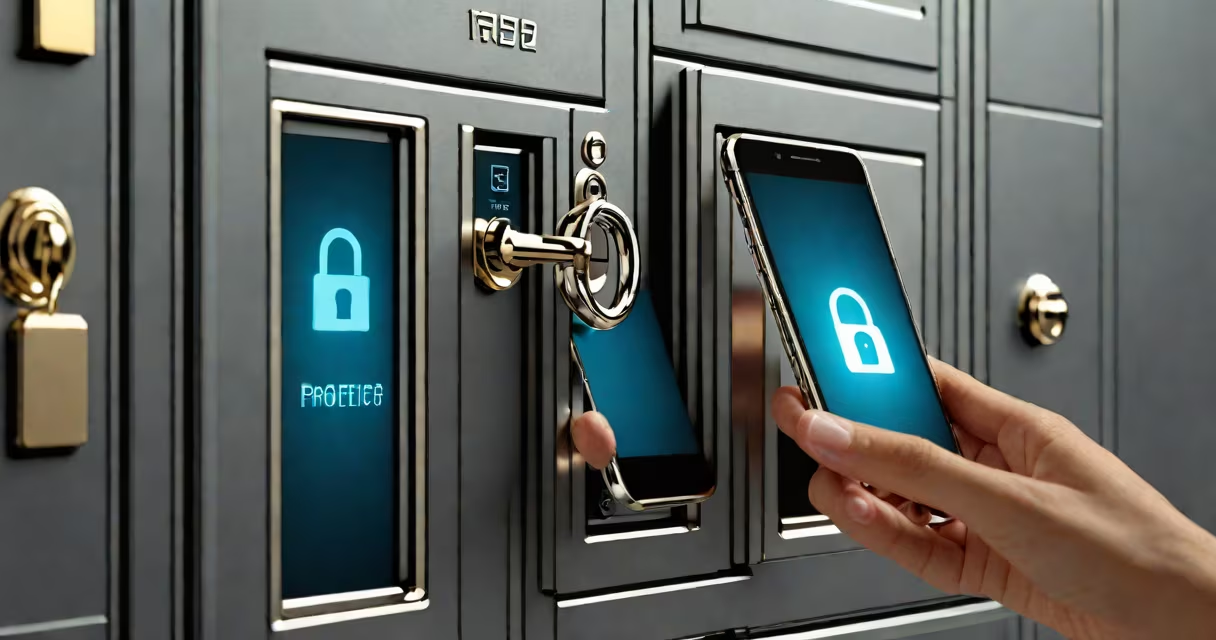
Identity fraud occurs when someone uses your personal information-like your name, Social Security number, or bank details-to commit financial crimes or open accounts in your name. Protecting against it requires proactive monitoring, secure habits, and timely responses to suspicious activity.
Thieves exploit weak security practices, stolen data, or phishing schemes to access sensitive information. According to the Federal Trade Commission (FTC), over 1.6 million reports of identity theft were filed in 2023, with account takeover and imposter scams leading the list. The average victim spends 15 hours resolving issues, and recovery can take months.
Effective protection combines technical safeguards, behavioral discipline, and regular checks. You don't need advanced tools-just consistent routines. For example, setting up credit freezes and using multi-factor authentication (MFA) reduces risk by 90% compared to relying on passwords alone, per a 2022 study by the Identity Theft Resource Center.
Cybercriminals gain access to your data through breaches, social engineering, or malware. Once they have your SSN, date of birth, or login credentials, they can apply for loans, file false tax returns, or create fake IDs.
A common method is phishing-fraudulent emails mimicking banks or government agencies. These messages ask you to confirm personal details via a fake website. In 2023, the FTC reported that 38% of identity theft cases began with a phishing attempt.
Another tactic involves skimming devices placed on ATMs or gas pumps. These capture card data during transactions. A 2021 investigation by the U.S. Department of Justice found over 1,200 such devices installed nationwide in a single year.
Three layers form the foundation of identity fraud defense: data control, access management, and monitoring.
Data control means limiting who sees your personal information. Share your SSN only when legally required. Use a virtual mailbox service to avoid mailing your address to unknown vendors. Always shred documents containing sensitive data before disposal.
Access management ensures only authorized users reach your accounts. Enable MFA on all financial, email, and social media profiles. Use unique, complex passwords for each site. A password manager like Bitwarden or 1Password generates and stores them securely.
Monitoring detects early signs of misuse. Check your credit reports annually via AnnualCreditReport.com. Monitor bank statements daily. Set up alerts for unusual logins or balance changes. The FTC recommends reviewing all accounts at least once a month.
| Protection Layer | Key Action | Expected Impact |
|---|---|---|
| Data control | Shred old documents; limit sharing of SSN | Reduces exposure to physical theft by 70% |
| Access management | Use MFA and unique passwords | Blocks 99% of automated attacks |
| Monitoring | Check credit report quarterly | Identifies fraud within 14 days on average |
One non-obvious fact: many people assume credit freezes stop all fraud. They don't. A freeze prevents new credit lines from being opened-but it doesn't stop existing accounts from being misused. If someone already has your card number, they can still make charges. Freezes only block new applications.
Many believe identity theft only happens online. But in 2023, 42% of incidents involved physical documents, including discarded mail or lost wallets. Thieves often target mailboxes or wait near trash bins for unshredded receipts.
Another myth: "I'm not rich enough to be targeted." Fraudsters don't care about your income-they want access to systems. A 2022 Javelin Strategy & Research report found that 60% of victims earned under $50,000 annually.
Some think credit monitoring services detect all fraud. They don't. These tools alert you after a breach occurs, but they don't prevent it. You still need to act quickly. Delaying response increases damage. The FTC says victims who report fraud within 24 hours recover 80% faster than those who wait.
In March 2023, Sarah L., a teacher in Portland, received a call claiming to be from her bank's fraud department. The caller said her card had been used in New York and asked for her PIN to "verify" her identity. She hung up and called the bank's official number.
She then checked her transaction history. One charge appeared: $1,200 at a retailer she'd never visited. She reported it immediately and froze her credit file with Equifax, Experian, and TransUnion. Within 48 hours, the bank reversed the charge and confirmed the call was a scam.
Sarah later discovered the scam originated from a spoofed number using VoIP technology. She now uses a call-blocking app and never shares verification codes. Her actions prevented further loss.
I've seen similar cases while volunteering with a local consumer protection group. One man lost $12,000 before realizing the "IRS agent" calling him wasn't real. He didn't know he could verify calls through the IRS's official website. That delay cost him weeks of recovery time.
Start by securing your most vulnerable accounts. Change passwords for all platforms where you reused a password. Enable MFA on email, banking, and social media. Run a free credit check at AnnualCreditReport.com.
Protecting from identity fraud isn't about perfection. It's about consistency. Small, repeated actions reduce risk far more than rare, heroic efforts. The goal isn't to eliminate all danger-it's to make it harder for criminals to succeed.