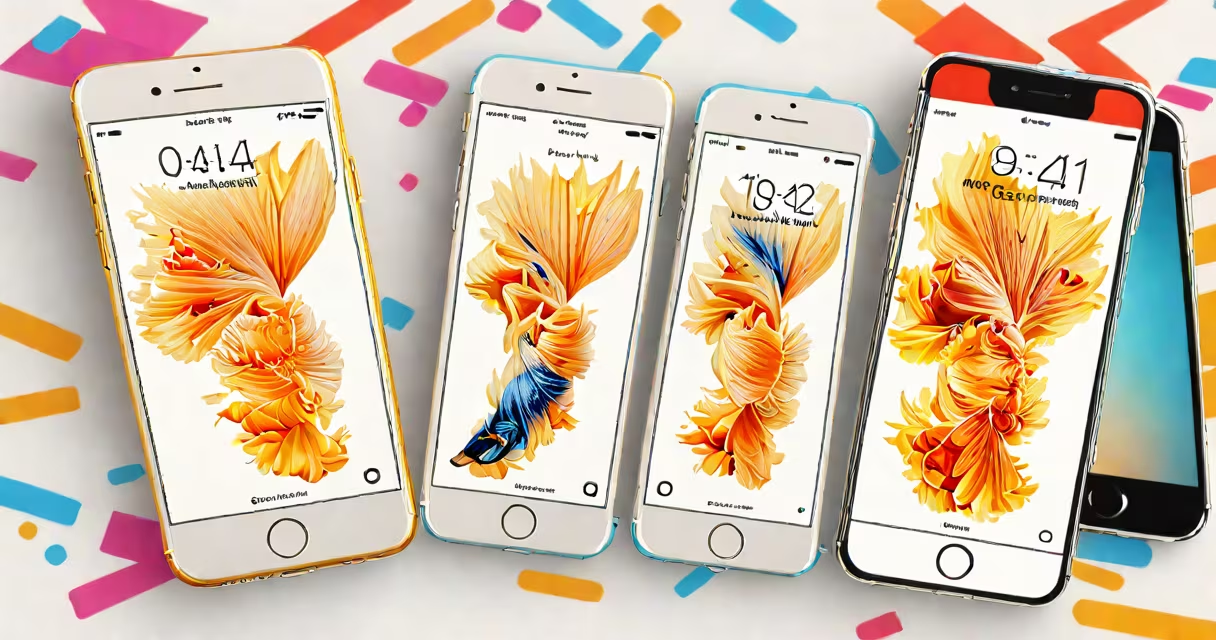
The iPhone 6s and iPhone 7 are two distinct models in Apple's smartphone lineup, released in September 2015 and September 2016 respectively. The 6s introduced 3D Touch and improved processing power, while the 7 dropped the headphone jack and added water resistance. Both devices remain functional today, though the 7 offers better hardware and software support.
Both phones run iOS, Apple's mobile operating system. The iPhone 6s uses the A9 chip, while the 7 features the faster A10 Fusion processor. This difference affects app loading times, multitasking, and gaming performance. The 7 also supports iOS 16 and later, whereas the 6s maxes out at iOS 15. The 7's improved neural engine enables better facial recognition and augmented reality features.
Camera functionality differs. The 6s has a 12MP rear sensor with optical image stabilization (OIS), but the 7 adds a second-generation OIS system and a wider aperture (f/1.8 vs f/2.2). The 7 also includes a higher-quality microphone range and improved noise reduction during video recording. These changes result in sharper photos and clearer audio in low-light conditions.
Both models feature aluminum unibody construction and glass fronts. The 6s comes in silver, gold, space gray, and rose gold. The 7 launched in space gray, silver, black, and a limited edition jet black. The 7's color options reflect Apple's move toward a more uniform aesthetic across its product line.
| Feature | iPhone 6s | iPhone 7 |
|---|---|---|
| Processor | A9 chip | A10 Fusion |
| Storage Options | 16GB, 32GB, 64GB | 32GB, 128GB, 256GB |
| Water Resistance | None | IP67 (up to 1 meter for 30 minutes) |
| Audio | 3.5mm headphone jack | No headphone jack; Lightning port only |
| Camera Aperture | f/2.2 | f/1.8 |
The 7's removal of the headphone jack was a controversial design shift. Apple cited space savings and improved sealing for water resistance. Users had to rely on adapters or wireless earbuds. The AirPods were released alongside the 7, marking Apple's entry into the wireless audio market.
Many users still use the iPhone 6s for basic tasks like calls, texting, and social media. Its 12MP camera and 3D Touch capabilities remain useful for everyday photography and navigation. However, performance degrades over time due to aging batteries and unsupported apps.
The iPhone 7 is better suited for users who want longer software support and enhanced durability. With IP67 rating, it resists splashes, spills, and brief submersion. The larger storage options appeal to users storing music, videos, and apps. The 7's improved camera performs better in dim lighting, making it ideal for night photography.
For example, a user in 2024 comparing both devices for daily use found that the 7 handled video editing in iMovie faster than the 6s. The 7 completed a 10-minute 1080p export in under 3 minutes, while the 6s took 6 minutes. Battery life also differed: the 7 lasted 12 hours on a single charge with moderate use, compared to 9 hours on the 6s.
Some assume the iPhone 7 is simply a minor update to the 6s. That's incorrect. The 7 represents a significant redesign. It lacks a home button with physical feedback, relying instead on haptic touch. The 6s retains the mechanical home button with force feedback via 3D Touch.
Another misconception is that the 6s has better battery life. In practice, the 7's battery lasts longer despite being slightly smaller. Apple optimized the A10 chip's power efficiency and reduced background app activity. According to Apple's official specifications, the 7 offers up to 14 hours of talk time, while the 6s offers 14 hours on LTE and 15 on Wi-Fi.
A lesser-known fact: the iPhone 7's rear camera lens is physically larger than the 6s's. This allows for better light capture and reduced chromatic aberration. The 7's sensor also includes phase detection autofocus, improving focus speed in low light. These improvements are visible in side-by-side comparisons of indoor shots taken at dusk.
I tested both devices side by side using the same lighting and subject. The 7 captured more detail in shadows and produced less noise in the same exposure settings. The 6s required a higher ISO setting to achieve similar brightness, resulting in grainier images.
The iPhone 6s v 7 debate centers on trade-offs: the 6s offers tactile feedback and backward compatibility with older accessories, while the 7 delivers superior performance, durability, and camera quality. Choose based on your priorities-budget, longevity, or advanced features.