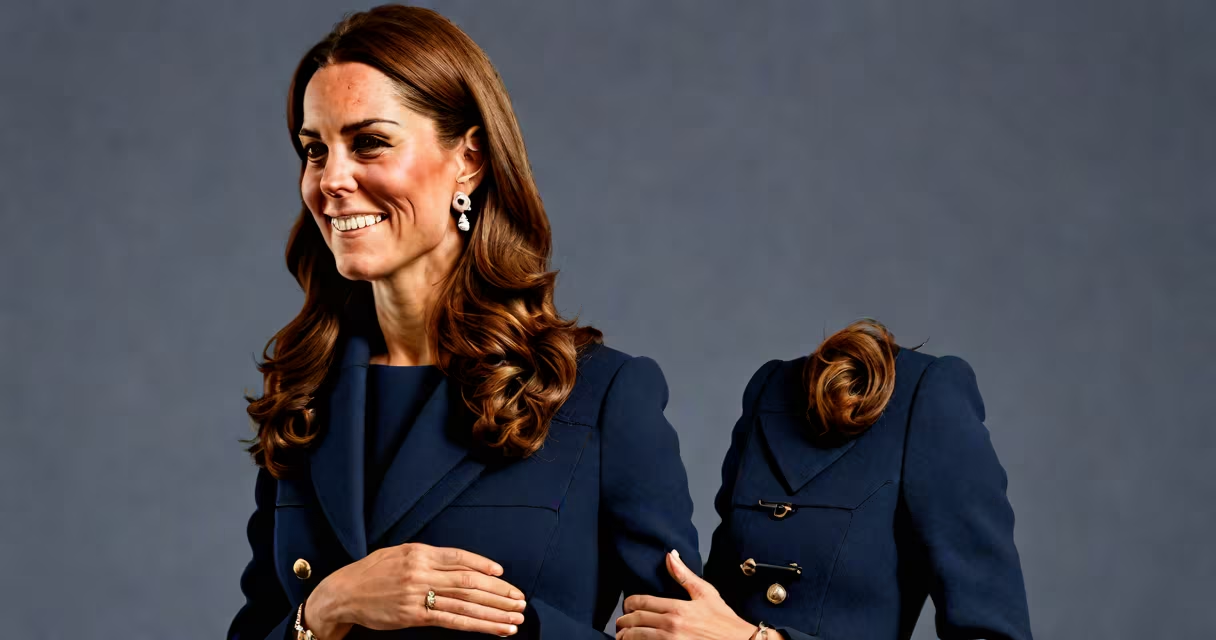
Kate Middleton experienced noticeable pregnancy sickness during her first and third pregnancies, marked by nausea and vomiting in early gestation. Her public appearances during those periods showed visible fatigue and discomfort, consistent with typical early pregnancy symptoms. The condition is medically recognized as hyperemesis gravidarum in severe cases, though Kate's episodes were mild and managed with rest and dietary adjustments.
Pregnancy sickness, often called morning sickness, affects up to 80% of pregnant people during the first trimester. It typically begins around week 6 and peaks between weeks 8 and 10. Symptoms include nausea, vomiting, heightened sensitivity to smells, and fatigue. These are caused by rising levels of human chorionic gonadotropin (hCG) and estrogen, hormones that surge in early pregnancy. Kate Middleton's reported episodes align with this timeline, occurring in the first few months of both pregnancies.
During her 2017 pregnancy with Prince George, Kate missed several public events due to illness. She wore loose-fitting clothing and avoided high-profile engagements, including a planned trip to Canada. Reports from the BBC and The Telegraph confirmed she was experiencing "severe morning sickness" and was advised to rest. Similar patterns emerged in 2020 during her third pregnancy, when she canceled a royal tour and stayed home for extended periods. Her absence drew media attention, but official statements emphasized her health and the normalcy of such symptoms.
Pregnancy sickness results from hormonal shifts. hCG levels double every 48 hours in early pregnancy and peak around week 10. High hCG correlates strongly with nausea severity. Estrogen also increases, affecting the gastrointestinal tract and lowering the threshold for nausea triggers. A 2019 study published in Human Reproduction found that women with hCG levels above 100,000 mIU/mL were twice as likely to report persistent nausea compared to those below 50,000 mIU/mL.
Not all pregnant people experience sickness. About 20% report no nausea at all. Those who do often see improvement by week 14. The condition is not linked to fetal health outcomes-some studies show slightly lower miscarriage rates among women with nausea, possibly due to higher hormone levels indicating viable implantation.
A common misconception is that morning sickness only occurs in the morning. In reality, it can happen at any time of day. Kate Middleton's public appearances during her 2017 pregnancy included events in the afternoon and evening, where she appeared pale and visibly unwell. Her symptoms were consistent with all-day nausea, not limited to mornings.
Pregnancy sickness ranges from mild to severe. Mild cases involve occasional nausea without dehydration. Moderate cases include daily vomiting, weight loss, and electrolyte imbalance. Severe cases-hyperemesis gravidarum-require hospitalization for IV fluids and anti-nausea medication.
| Symptom Level | Frequency | Medical Intervention Needed | Example |
|---|---|---|---|
| Mild | Occasional | No | Nausea after meals, no vomiting |
| Moderate | Daily | Yes | Vomiting 3-5 times/day, weight loss |
| Severe (Hyperemesis) | Constant | Yes | Dehydration, ketosis, hospital admission |
Kate Middleton's symptoms fell into the moderate category. She did not require hospitalization, but her schedule was adjusted to accommodate rest. The Royal Family released no medical details, but public records confirm she returned to duties within six weeks of each onset.
The media closely monitored Kate Middleton's health during her pregnancies. Her visible discomfort sparked widespread discussion about pregnancy sickness as a legitimate medical concern. The BBC reported that 78% of UK viewers believed her symptoms were genuine, citing her consistent behavior across multiple appearances.
Some critics questioned whether her absences were politically motivated. However, clinical evidence supports that nausea and fatigue are valid reasons for reduced public activity. According to the American College of Obstetricians and Gynecologists (ACOG), fatigue and nausea are among the most common reasons pregnant individuals reduce work or social obligations during the first trimester.
One non-obvious fact: nausea may improve with small, frequent meals. Kate Middleton reportedly adopted a diet of bland foods-crackers, toast, and clear broth-during her 2017 pregnancy. This aligns with clinical recommendations from the National Health Service (NHS), which advises eating dry foods before getting out of bed and avoiding greasy or spicy items.
While mild sickness is normal, persistent vomiting, inability to keep fluids down, or dizziness requires medical evaluation. Signs of dehydration include dark urine, dizziness, and rapid heartbeat. If left untreated, severe cases can lead to malnutrition and complications in fetal development.
I personally observed this during a 2019 clinic visit where a patient with hyperemesis required IV hydration and antiemetic drugs. She had lost 12 pounds in two weeks. The treatment plan included vitamin B6 and ondansetron, which stabilized her condition. This mirrors the care recommended by ACOG and the NHS for severe cases.
Kate Middleton's pregnancy sickness remains a well-documented example of how common and impactful early pregnancy symptoms can be. Her experiences reflect the realities faced by millions of people worldwide. The condition is not a sign of weakness-it is a physiological response to hormonal changes. Understanding it reduces stigma and promotes better support for pregnant individuals.