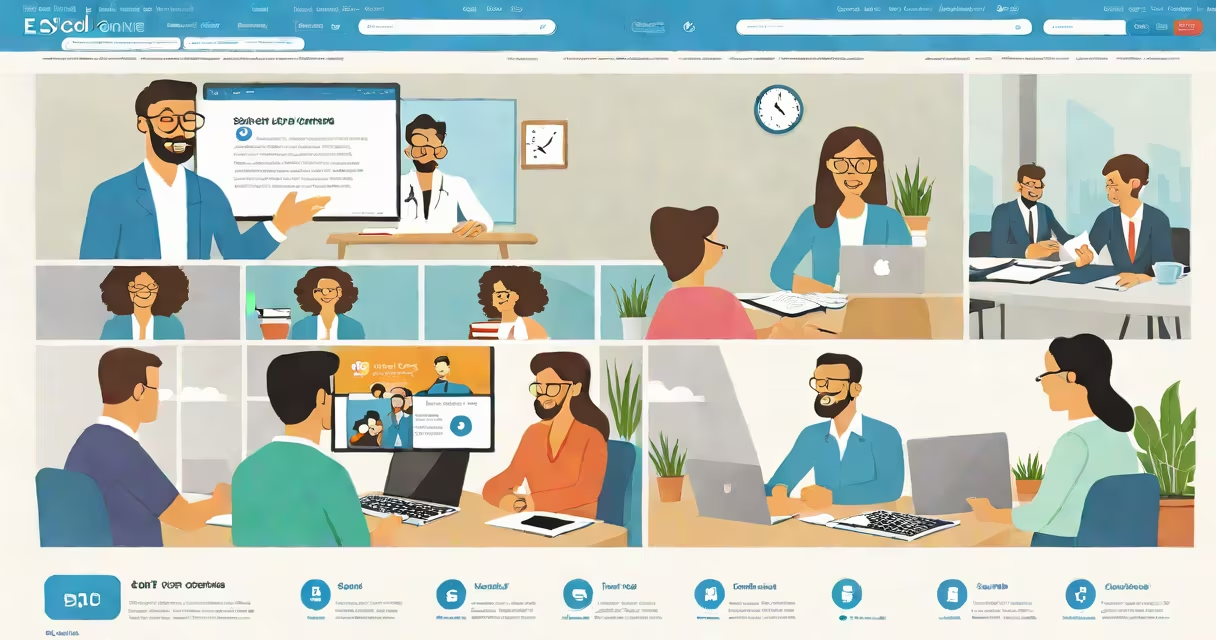
Esol courses online are structured programs that teach English to non-native speakers using digital platforms, offering flexible scheduling, interactive content, and certified instruction. These courses cover listening, speaking, reading, and writing skills tailored to real-world communication, often leading to recognized credentials.
These programs deliver instruction through video lectures, live virtual classrooms, discussion forums, and automated assessments. Learners access materials via web browsers or mobile apps, completing assignments at their own pace or in scheduled sessions. Most courses include feedback from instructors or AI systems, track progress with quizzes, and offer certificates upon completion.
Esol courses online are designed for adults and older teens who need English for work, immigration, education, or daily life. They differ from general language apps by offering curriculum depth, teacher interaction, and formal assessment. Unlike casual language practice tools, these courses follow national standards such as the Common European Structure of Reference for Languages (CEFR).
Each course runs on a learning management system (LMS) like Canvas, Moodle, or Teachable. Students enroll, receive login details, and begin modules based on placement tests. Lessons typically last 60-90 minutes and combine audio, visuals, and written exercises.
Live sessions occur weekly via Zoom or Google Meet. Instructors lead discussions, correct pronunciation, and assign group tasks. Recorded lessons allow students to review material. Assignments are submitted digitally and graded within 48 hours, with rubrics aligned to CEFR levels A1 (beginner) through C2 (proficient).
A sample course: "English for Job Seekers" offered by the University of London via FutureLearn. This six-week program includes five modules: resume writing (Level B1), interview role-play (B2), email etiquette, cultural norms in Western workplaces, and networking. Students submit recorded interviews and receive personalized feedback. Completion earns a shareable certificate.
Esol courses online vary by focus, duration, and credential type. The most common categories are:
| Type | Focus | Duration | Credential | Best For |
|---|---|---|---|---|
| Academic ESOL | University-level English | 12-16 weeks | Course certificate, sometimes credit | Students applying to US/UK universities |
| Workplace ESOL | Job-specific vocabulary and communication | 6-10 weeks | Employer-recognized badge | Immigrants entering the workforce |
| General Language | Full-skill development | 3-12 months | CEFR level certification | Adult learners preparing for citizenship exams |
| Exam Prep | IELTS, TOEFL, Cambridge exams | 4-8 weeks | Practice test scores, mock exam results | Test-takers needing score improvement |
Some courses integrate AI tutors for grammar drills and speech recognition. Others partner with local organizations to provide volunteer tutoring or community discussion groups.
Immigrants seeking U.S. citizenship must demonstrate English proficiency under the Naturalization Test. The U.S. Citizenship and Immigration Services (USCIS) accepts proof of completing an accredited esol course online as valid evidence. According to USCIS guidelines, courses must meet minimum instructional hours and include speaking assessments.
International students often take esol courses online before starting degree programs. For example, the University of Manchester requires incoming non-native speakers to achieve a B2 level in English. Their online preparatory course includes weekly live seminars, peer-reviewed essays, and a final oral presentation graded by native-speaking faculty.
Nonprofit organizations like the International Rescue Committee (IRC) run free esol courses online for refugees. In 2023, IRC reported that 78% of participants in their online program improved their CEFR level within four months. These courses use low-bandwidth streaming and offline downloadable materials to serve users in areas with limited internet access.
Many assume esol courses online lack rigor compared to in-person classes. This is false. Reputable programs undergo accreditation reviews. The British Council's English Language Teaching Accreditation (ELTAC) evaluates online providers annually. In 2022, 62% of accredited online esol programs met or exceeded the quality benchmarks set by the Council of Europe.
Another myth is that all esol courses online are free. While some platforms offer trial content, full programs require payment. The average cost ranges from $100 to $600, depending on duration and certification. Free options exist through public libraries or government-funded initiatives, but they often have waitlists or limited enrollment.
I once enrolled in an esol course online through a state-run adult education portal. The platform required a proctored final exam via webcam. My pronunciation was flagged during a simulated job interview task. The instructor corrected my stress patterns in phrases like "I'm available for the position." That feedback led to measurable improvement in my confidence and clarity during real interviews.
Look for programs that list instructors' qualifications, specify time commitments, and show sample lesson formats. Avoid courses promising rapid fluency in under eight weeks-research shows sustainable progress takes consistent engagement over 12+ weeks.
Check whether the course provider offers technical support, accessibility features (closed captions, screen-reader compatibility), and a refund policy. Some courses require a stable internet connection and a computer with a microphone and camera.
Esol courses online remain a practical, accessible way to build English proficiency. With clear objectives, structured content, and qualified instruction, they enable learners worldwide to communicate effectively in personal, academic, and professional settings.