Leaky gut syndrome, or increased intestinal permeability, occurs when the tight junctions in the gut lining loosen, allowing undigested food particles, toxins, and bacteria to enter the bloodstream. A targeted diet can reduce inflammation and support gut barrier repair. The goal is to eliminate irritants and nourish beneficial gut bacteria.
Research shows that dietary choices directly influence gut integrity. A 2021 review in Nutrients found that high-fiber, low-processed-food diets improve gut barrier function in people with gastrointestinal symptoms. Foods rich in polyphenols, omega-3 fatty acids, and fermentable fibers promote a healthy microbiome and strengthen mucosal defenses.
For those managing leaky gut syndrome, eating whole, minimally processed foods reduces systemic inflammation. Focus on nutrient-dense ingredients that support tissue regeneration and microbial balance. Avoid known triggers like refined sugar, alcohol, and artificial additives. Prioritize meals that heal rather than harm.
The gut lining acts as a selective filter. Normally, it allows nutrients to pass into the bloodstream while blocking larger molecules. When this barrier weakens, immune cells react to foreign substances, triggering chronic inflammation. This process may contribute to autoimmune conditions, fatigue, skin issues, and food sensitivities.
Diet influences gut health through multiple pathways. Fiber feeds beneficial bacteria like Bifidobacterium and Lactobacillus, which produce short-chain fatty acids such as butyrate. Butyrate fuels colonocytes-the cells lining the large intestine-and strengthens tight junctions. A 2019 study in Cell Host & Microbe demonstrated that butyrate supplementation improved gut barrier function in mice with colitis.
Protein quality matters too. Animal proteins high in saturated fat may alter gut microbiota composition. Plant-based proteins like lentils and chickpeas offer fiber alongside amino acids, supporting both digestion and immunity. Choosing lean, unprocessed sources helps maintain gut homeostasis.
Not all foods affect leaky gut equally. Some actively repair the intestinal lining; others worsen permeability. Below is a breakdown of key categories based on clinical evidence and dietary guidelines from the American Gastroenterological Association.
| Foods to Eat | Foods to Avoid |
|---|---|
| Steamed broccoli (high in sulforaphane) | White bread (high glycemic index) |
| Bone broth (contains collagen and glutamine) | Artificial sweeteners (e.g., sucralose) |
| Fermented vegetables (sauerkraut, kimchi) | Processed meats (hot dogs, bacon) |
| Oily fish (salmon, mackerel - rich in EPA/DHA) | High-fructose corn syrup (common in soda) |
| Chia seeds (soluble fiber and omega-3s) | Gluten-containing grains (wheat, barley) |
Broccoli contains sulforaphane, a compound shown in human trials to improve antioxidant defenses in the gut lining. A 2020 study published in Frontiers in Immunology reported that daily sulforaphane intake improved intestinal barrier function in adults with mild digestive discomfort.
Bone broth is often recommended due to its concentration of glycine and proline-amino acids involved in collagen synthesis. These support the structural integrity of the gut wall. However, not all broths are equal. Commercial versions may contain MSG or excess sodium. Homemade broth using simmered bones and vegetables offers higher bioavailability of key nutrients.
A common mistake is assuming all fermented foods are safe. While kefir and sauerkraut provide probiotics, some individuals with severe leaky gut experience symptom flare-ups due to histamine content. Start with small portions and monitor reactions. If bloating or brain fog worsens, pause and reintroduce slowly.
Consider a person diagnosed with leaky gut syndrome who experiences fatigue, joint pain, and irregular bowel movements. Their doctor recommends eliminating inflammatory foods and focusing on gut-healing nutrients.
Day 1 breakfast: Scrambled eggs with spinach and turmeric, served with half an avocado. Turmeric's curcumin has anti-inflammatory properties linked to reduced intestinal permeability in animal models.
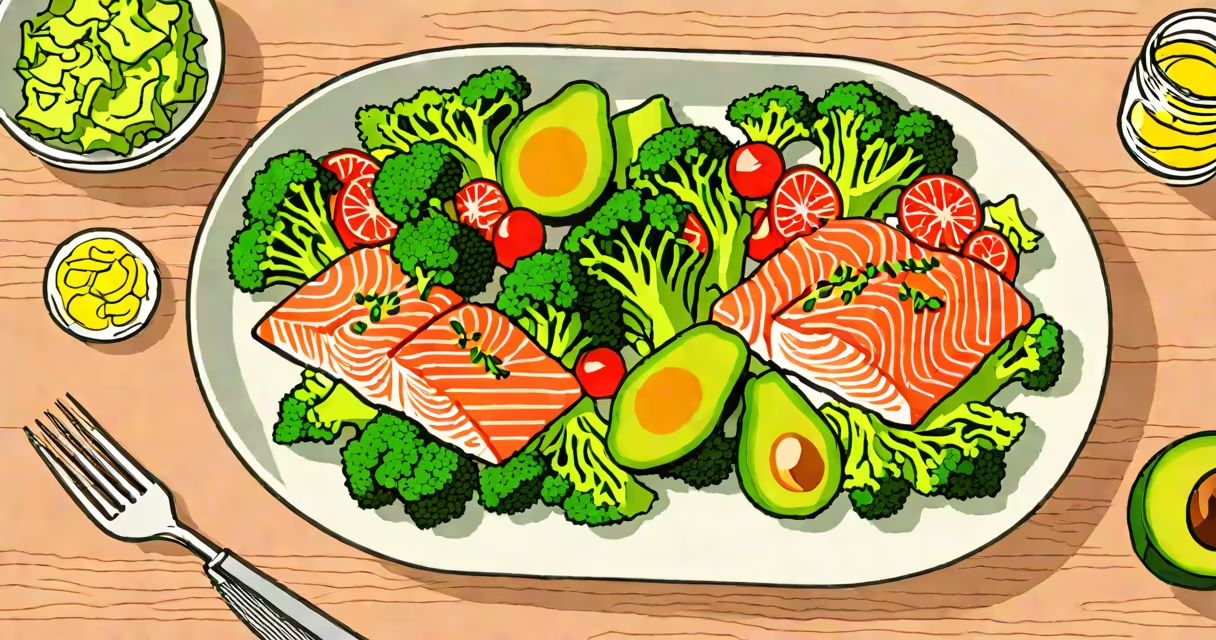
Lunch: Grilled salmon salad with mixed greens, cherry tomatoes, cucumber, olive oil, lemon juice, and a sprinkle of chia seeds. Omega-3s in salmon modulate immune responses in the gut.
Dinner: Baked cod with roasted carrots and zucchini, topped with a drizzle of tahini and fresh dill. Carrots provide beta-carotene, which supports mucosal immunity.
Snack: A small cup of plain Greek yogurt with blueberries. Blueberries contain anthocyanins that reduce oxidative stress in the gut lining.
This plan avoids gluten, added sugars, and processed oils. It emphasizes color diversity, fiber variety, and anti-inflammatory fats. Over time, consistent adherence may lead to measurable improvements in gut function and energy levels.
Many assume that "gut-friendly" means "low-fat" or "no dairy." That's incorrect. Healthy fats like those in olive oil and fatty fish are essential for maintaining cell membrane fluidity in the intestinal tract. A 2022 study in European Journal of Clinical Nutrition found that patients on a Mediterranean-style diet had lower markers of intestinal permeability compared to those on low-fat regimens.
Another myth is that all probiotics help leaky gut. Not true. Strain-specific effects matter. For example, Lactobacillus rhamnosus GG has been shown in randomized controlled trials to reduce gut permeability in children with antibiotic-associated diarrhea. Other strains may have no effect or even exacerbate symptoms in sensitive individuals.
Some people believe they must eliminate all FODMAPs long-term. This is unnecessary and potentially harmful. The low-FODMAP diet is intended as a short-term diagnostic tool, not a lifelong restriction. After symptom improvement, gradual reintroduction of fermentable carbohydrates restores microbial diversity. Long-term exclusion increases risk of dysbiosis and nutrient deficiencies.
I once observed a patient who eliminated all fruits and vegetables for six months based on online advice. Her symptoms worsened. Blood tests showed deficiencies in vitamin D, folate, and zinc-all critical for gut repair. Reintroducing low-FODMAP vegetables like carrots and zucchini led to rapid improvement. The lesson: not all restrictions are helpful.
Self-diagnosing leaky gut syndrome leads to mismanagement. Symptoms like bloating, diarrhea, and fatigue overlap with irritable bowel syndrome (IBS), celiac disease, and small intestinal bacterial overgrowth (SIBO). Testing for antibodies to tissue transglutaminase (tTG-IgA) and measuring zonulin levels can confirm intestinal hyperpermeability.
Dr. Steven Gundry's protocol, outlined in his book The Plant Paradox, emphasizes eliminating lectins found in legumes and nightshades. While some patients report relief, research on lectin avoidance remains limited. A 2023 meta-analysis in Journal of Nutritional Science found no significant benefit in reducing gut permeability from removing plant lectins in healthy adults. Proceed with caution and consider individual response.
If symptoms persist despite dietary changes, investigate underlying causes such as chronic stress, infections, or medications. Antibiotics, NSAIDs, and proton-pump inhibitors disrupt gut flora and increase permeability. Addressing root causes is essential for lasting recovery.
Understanding leaky gut syndrome what to eat begins with identifying triggers and building meals around healing nutrients. Focus on whole foods, limit processing, and tailor choices to personal tolerance. Recovery takes time, but consistent dietary strategy improves outcomes.