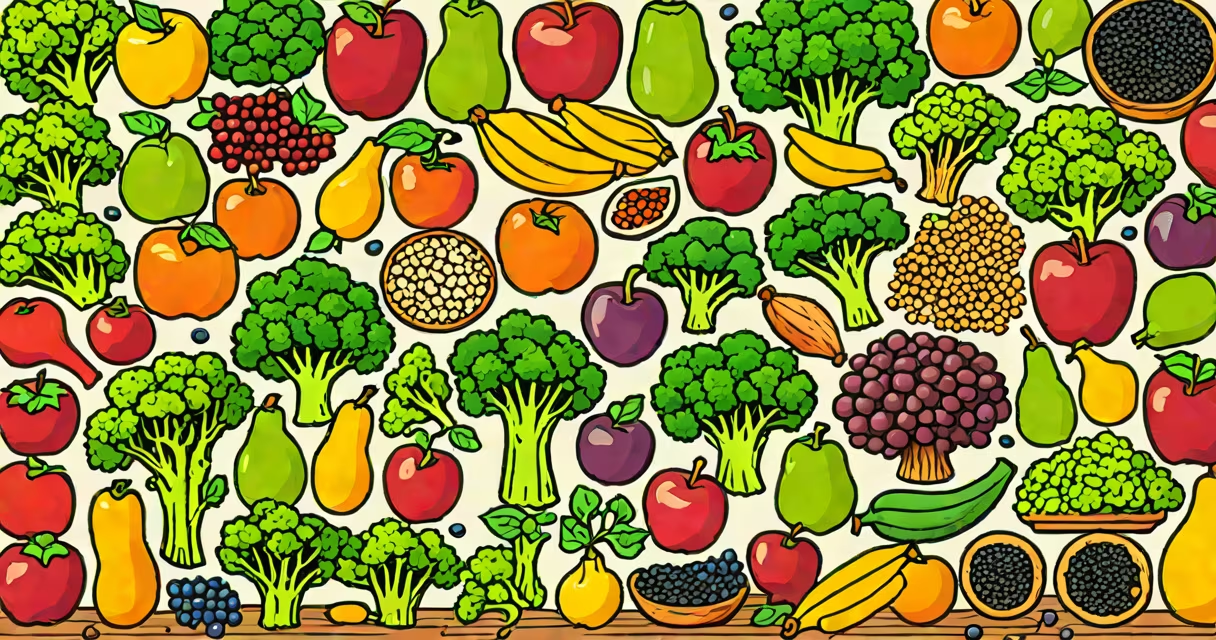
Fiber-rich foods include legumes, whole grains, fruits, vegetables, nuts, and seeds. They provide both soluble and insoluble fiber, which support gut health, regulate blood sugar, and lower cholesterol. A daily intake of 25-30 grams is recommended for adults.
Fiber is a type of carbohydrate that the human body cannot digest. Instead, it passes through the digestive tract largely intact. Soluble fiber dissolves in water to form a gel-like substance that slows digestion and helps control blood glucose levels. Insoluble fiber adds bulk to stool and speeds transit time through the intestines. Both types are essential for maintaining bowel regularity and reducing the risk of chronic diseases.
The U.S. Department of Agriculture (USDA) identifies fiber as a critical component of a healthy diet. According to the National Institutes of Health (NIH), adequate fiber intake correlates with reduced risks of heart disease, type 2 diabetes, and colorectal cancer. Fiber also promotes satiety, helping manage weight. Despite these benefits, most Americans consume only about 15 grams of fiber per day-well below the recommended minimum.
Fiber foods fall into two broad categories based on solubility. Soluble fiber ferments in the large intestine and feeds beneficial gut bacteria. Insoluble fiber remains unchanged and aids in moving waste through the digestive system. A balanced intake of both supports long-term gastrointestinal function.
| Type | Examples | Fiber Content (per 1 cup cooked) |
|---|---|---|
| Soluble | Oats, barley, apples, citrus fruits, flaxseeds | 4-6 grams |
| Insoluble | Whole wheat bread, brown rice, broccoli, kale, almonds | 3-5 grams |
Legumes are among the most concentrated sources of fiber. One cup of cooked lentils contains nearly 15 grams of fiber-more than half the daily recommendation. Black beans and chickpeas offer similar amounts. These foods also deliver plant-based protein and iron, making them valuable staples in vegetarian and vegan diets.
Whole grains contribute to daily fiber goals. Brown rice provides about 3.5 grams per cup, while oats deliver 4 grams per ½ cup dry. Whole grain products like quinoa and bulgur are excellent alternatives to refined grains. The American Heart Association notes that replacing refined grains with whole grains reduces cardiovascular mortality by up to 22% over ten years.
Vegetables and fruits are accessible sources of fiber. Broccoli offers 5 grams per cup, and Brussels sprouts contain 4 grams. Berries lead in antioxidant content and provide 8 grams of fiber per cup of raspberries. Apples with skin supply 4.4 grams per medium fruit. These foods also deliver vitamins C and K, potassium, and polyphenols linked to reduced inflammation.
Adding fiber gradually prevents bloating and gas. Sudden increases can cause discomfort. Start with small portions-half a serving of beans or a quarter-cup of chia seeds-and increase over several weeks. Drinking plenty of water helps fiber move smoothly through the digestive tract.
A simple meal plan illustrates how to meet daily targets. For breakfast, choose oatmeal topped with sliced banana and chia seeds-totaling 10 grams of fiber. Lunch could be a quinoa salad with black beans, corn, tomatoes, and avocado-adding another 12 grams. Dinner might include grilled salmon with steamed broccoli and brown rice-contributing 8 grams. Snacks like an apple with almond butter bring the total to around 30 grams.
I once prepared a week's worth of meals using only high-fiber ingredients. After five days, my bowel movements became more consistent, and I felt less bloated. This aligns with findings from a 2021 study published in *The American Journal of Clinical Nutrition*, which showed that participants who increased their fiber intake from 15 to 30 grams per day reported improved stool frequency and reduced abdominal pain within two weeks.
Fiber is not a single nutrient-it's a group of indigestible carbohydrates with different functions. Some people assume all fiber acts the same, but soluble and insoluble fibers serve distinct roles. Confusing them leads to poor food choices. For example, eating only bran flakes may boost bulk but lack the blood sugar-stabilizing effects of oats.
Another misconception is that fiber supplements replace whole foods. While psyllium husk and inulin can help meet daily goals, they don't provide the full spectrum of micronutrients, phytochemicals, and gut microbiome diversity found in whole plants. The NIH emphasizes that whole-food sources outperform isolated fiber supplements in preventing chronic disease.
Some individuals avoid high-fiber foods due to irritable bowel syndrome (IBS) symptoms. However, research shows that a low-FODMAP diet-often misinterpreted as low-fiber-is not universally necessary. A 2020 review in *Gastroenterology* found that patients with IBS who consumed moderate amounts of fermentable fibers (like those in oats and bananas) experienced fewer flare-ups than those on strict low-fiber regimens.
People with conditions like Crohn's disease or ulcerative colitis may need tailored fiber plans. High-fiber intake can worsen symptoms during flare-ups. A registered dietitian can recommend appropriate sources based on individual tolerance. For example, peeled apples and well-cooked carrots may be better tolerated than raw vegetables during active disease phases.
If you're managing inflammatory bowel disease, a list of foods for colitis can guide safe choices. During remission, gradually reintroducing fiber-rich foods can restore gut health. Always consult a healthcare provider before making major dietary changes, especially if you have a diagnosed gastrointestinal condition.
Meeting daily fiber needs requires attention to food variety and preparation. Cooking methods matter-overcooking vegetables can degrade fiber content. Steaming or lightly sautéing preserves structure and nutritional value. Choose whole, unprocessed foods whenever possible to maximize benefit.
Consistent consumption of a diverse list of fiber foods lowers long-term disease risk. The World Health Organization recommends a minimum of 25 grams per day for adults. By incorporating beans, whole grains, fruits, and vegetables into meals, individuals gain tangible protection against heart disease, diabetes, and colon cancer.