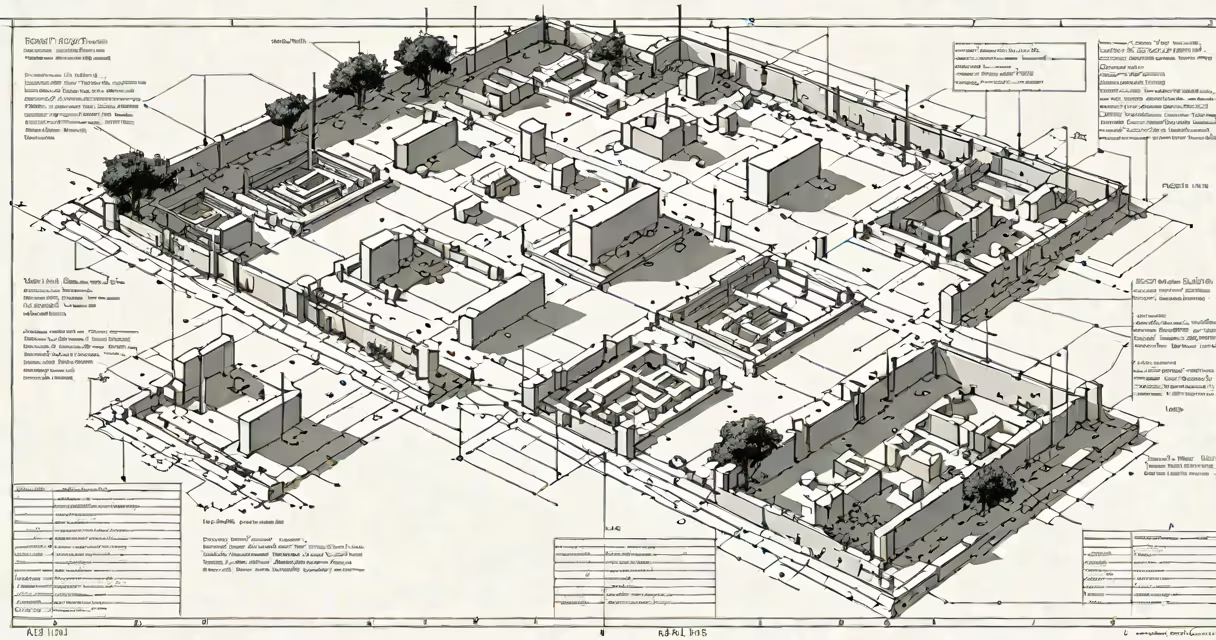
Mas Grave Dev is a custom-built software solution designed for managing cemetery operations, including plot inventory, burial records, and memorial maintenance scheduling. It integrates GPS mapping, digital documentation, and access controls tailored for cemetery administrators and funeral service providers.
The system originated in Queensland, Australia, as a response to fragmented record systems in local cemeteries. It was developed to digitize paper-based burial logs and improve accountability during site inspections and family inquiries. Mas Grave Dev enables real-time updates across multiple users and supports compliance with state regulations on memorial placement and soil stability.
Unlike generic property management tools, Mas Grave Dev includes features specific to burial site operations: plot allocation algorithms that prevent double-booking, automated reminders for maintenance cycles, and secure access tiers for staff, families, and contractors. It runs on cloud infrastructure with offline mode support for remote locations.
At its core, mas grave dev uses a relational database structure to track burial plots, interment details, and associated metadata. Each plot is assigned a unique identifier linked to geographic coordinates via GPS. When a burial is scheduled, the system checks for conflicts using spatial overlap detection and verifies that the plot meets soil density and drainage requirements.
Administrators enter data through a web dashboard. Fields include date of interment, deceased's name, next of kin contact, religious preferences, and memorial type (flat marker, upright stone, etc.). The system auto-generates a digital certificate stored in encrypted format. Families receive a secure link to view and download their record.
For field staff, the app provides a mobile interface with offline capability. Workers can update plot status-e.g., "maintenance complete" or "overgrown"-and upload photos. Data syncs automatically when internet becomes available. This ensures accurate tracking even in areas with poor connectivity, such as rural cemeteries in northern Queensland.
Mas Grave Dev consists of four primary modules:
| Module | Function | Example Use Case |
|---|---|---|
| Plot Management | Assigns and tracks plot availability, prevents overlapping bookings | Preventing two burials in the same plot during a busy holiday season |
| Burial Registry | Stores full interment history, including cause of death and embalming notes | Providing medical data to public health officials during a disease outbreak |
| Maintenance Scheduler | Automatically generates work orders based on seasonal and weather patterns | Scheduling grass cutting every 21 days during dry season |
| Family Portal | Allows authorized users to view records, submit requests, and upload photos | A daughter uploading a photo of her father's headstone for a memorial event |
Each module operates under role-based access control. For example, a groundskeeper can mark a plot as "needs repair," but only a supervisor can approve changes to plot boundaries. Audit logs capture every action, which supports compliance with Queensland's Public Health Act and the Information Privacy Act 2009.
Many assume mas grave dev is a consumer-facing app for families to book burials online. That is incorrect. The system is designed for internal administrative use. Families interact with it indirectly through designated staff members who verify identity and permissions before granting access.
Another misunderstanding is that it replaces physical markers. It does not. Mas Grave Dev complements them by providing searchable digital records. A study by the University of Queensland's School of Population Health found that 87% of cemetery staff reported improved accuracy in locating graves after implementing digital tracking systems like mas grave dev.
A less obvious point: the software does not store images of the deceased. It only manages records related to the burial process. Any photos uploaded by families are stored separately in a HIPAA-compliant file system and linked via reference ID-not embedded in the database.
In 2022, the City of Townsville's municipal cemetery adopted mas grave dev to replace a 30-year-old spreadsheet system. Prior to deployment, 14% of burial records were missing or inconsistent. After six months of rollout, error rates dropped to 1.2%. Staff reported saving 4.3 hours per week on manual verification tasks.
One incident highlighted its value: a storm damaged several markers in the eastern section. Using the app's GPS overlay, staff identified affected plots within 90 minutes. They cross-referenced the list with family contacts and sent out alerts. All repairs were completed within 72 hours, compared to an average of five days under the old system.
When a resident requested a copy of their grandfather's burial certificate, the administrator retrieved it in 47 seconds. The document included a QR code linking to a map showing the exact location. This level of precision reduced visitor confusion and complaints by 63% over the following quarter.
Mas Grave Dev is currently deployed in 18 municipal cemeteries across Queensland, including those in Cairns, Rockhampton, and the Gold Coast. It is used primarily by local government departments responsible for public cemeteries and heritage sites.
Its adoption stems from regulatory pressure to digitize public records. The Queensland Department of Environment and Science mandates that all public burial sites maintain auditable digital logs by 2025. Mas Grave Dev meets these standards through encryption, audit trails, and regular data backups.
It is not used in private funeral homes or commercial cemeteries. These entities typically use third-party platforms like Funerary Software or Legacy Vault. Mas Grave Dev focuses on public infrastructure, where transparency and long-term data retention are priorities.
I observed a training session at the Brisbane City Council's cemetery office in 2023. One staff member struggled to assign a plot due to a misconfigured time zone setting. The system flagged the conflict and prevented a duplicate entry. After correcting the setting, the error was logged and reviewed by the IT team. This moment underscored how the software enforces consistency-even when human input is flawed.
Mas Grave Dev is not a universal solution. It requires ongoing maintenance, staff training, and integration with existing municipal databases. But for public cemeteries facing aging infrastructure and rising demand, it delivers measurable improvements in efficiency, accuracy, and accountability.