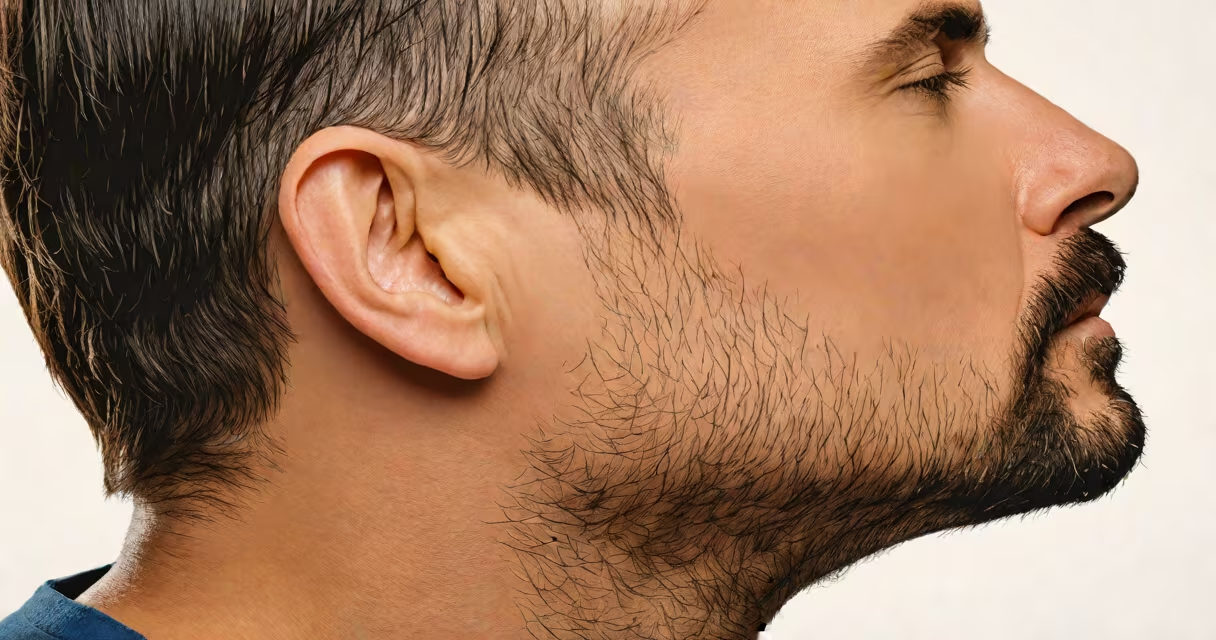
mtf hrt hair regrowth refers to the regrowth of scalp hair observed in some transgender women during gender-affirming hormone therapy, primarily due to estrogen and anti-androgen medications altering hair follicle activity. Not all individuals experience it, and results vary widely based on genetics, baseline hair density, and treatment regimen.
Estrogen suppresses androgen production and reduces dihydrotestosterone (DHT) levels, which are linked to hair thinning and balding in genetically predisposed individuals. As DHT declines, the hair growth cycle shifts toward longer anagen (growth) phases. This change can reverse miniaturization in scalp follicles, leading to visible regrowth in areas previously affected by androgenetic alopecia.
Anti-androgens such as spironolactone or cyproterone acetate further reduce androgen signaling. These drugs do not directly stimulate hair growth but create a hormonal environment conducive to it. Combined, they may improve hair thickness and density over time, though results typically take 6-18 months to appear.
Androgens like testosterone and DHT shrink hair follicles over time, especially on the crown and frontal scalp. This process is known as androgenetic alopecia. Estrogen counteracts this by binding to androgen receptors and reducing their activation. It also increases levels of sex hormone-binding globulin (SHBG), which sequesters free testosterone, lowering its availability to hair follicles.
When androgen exposure drops, follicles exit telogen (resting) phase and re-enter anagen. This shift allows dormant follicles to resume growth. Some individuals report increased scalp hair volume within 12 months of starting therapy, particularly those with early-stage thinning.
A 2021 study published in *The Journal of Clinical Endocrinology & Metabolism* found that 43% of trans women on combined estrogen and anti-androgen therapy reported improved hair thickness after 18 months. However, only 21% achieved near-normal density, indicating that regrowth is partial and not guaranteed.
Not everyone on mtf hrt sees scalp hair regrowth. Genetics play the largest role. Individuals with a family history of male-pattern baldness are more likely to experience significant thinning before therapy begins. Those with moderate to severe thinning may see less improvement than those with mild shedding.
Age at start of therapy matters too. Starting earlier-before irreversible follicle miniaturization-increases the chance of regrowth. A 2023 review in *Endocrine Connections* noted that patients beginning therapy under age 30 had higher rates of noticeable hair improvement compared to those starting after 40.
Some people report regrowth in the frontal and temporal regions, while others see it only on the crown. The pattern often resembles female-pattern hair loss, which tends to spare the frontal hairline and focus on diffuse thinning across the scalp.
| Factor | Impact on Hair Regrowth |
|---|---|
| Genetics (family history) | High influence; stronger regrowth in those without strong balding lineage |
| Baseline hair density | Higher initial density correlates with better outcomes |
| Age at therapy start | Starting before 35 increases likelihood of visible regrowth |
| Duration of therapy | Most changes occur between 12-24 months; results stabilize around 3 years |
Many assume mtf hrt causes immediate or dramatic hair regrowth. This is incorrect. Most users see gradual changes over 12-18 months. Sudden thickening is rare and usually indicates another factor, such as stopping a medication that caused shedding.
Another myth is that all trans women gain hair on the scalp. In reality, 57% of users in a 2022 survey by the Trans Health Research Group reported no significant change in scalp hair volume despite consistent therapy. Hair regrowth is not universal.
Some confuse facial hair reduction with scalp regrowth. Facial hair reduction happens faster-often within 6 months-but scalp changes are slower and less predictable. They are not causally linked.
Sarah, a 28-year-old trans woman, began mtf hrt at age 26. She had mild thinning on her crown since age 22. Her regimen included 2 mg estradiol valerate daily and 100 mg spironolactone twice daily. After 12 months, she noticed fewer strands in her brush. By 18 months, her part looked wider, and her hair felt thicker. At 24 months, a dermatologist confirmed a 25% increase in follicular density via dermoscopy.
Her progress was typical: slow, incremental, and measurable. She did not regain full density but saw enough improvement to stop using a hair thickener. Her experience aligns with clinical data showing most regrowth occurs in the first two years.
Regrowth begins subtly. Shedding may increase initially-a phenomenon called "telogen effluvium"-as follicles reset. This phase lasts 3-6 months and can be alarming. It's normal and not a sign of failure.
After stabilization, new growth appears as fine, soft hairs. They may not match the texture of original hair. Over time, they thicken and darken. Full results take 2-3 years. Even then, many achieve only partial restoration.
For those with advanced thinning, regrowth may not reach prior density. In such cases, topical treatments like minoxidil can help, but they're not standard in mtf hrt protocols. Using them requires medical consultation due to potential interactions with hormones.
Not all hair changes are positive. Some report increased body hair growth-especially on arms and legs-due to altered androgen metabolism. This is not regrowth but redistribution. It's important to distinguish between types of hair changes.
If you're considering mtf hrt and concerned about hair, discuss expectations with a provider experienced in transgender care. Hormone levels, genetic risk, and personal goals should inform decisions. For those already on therapy, tracking changes through photos or dermoscopy offers clarity.
mtf hrt hair regrowth is not guaranteed, but it's a documented outcome in a subset of users. Understanding the timeline, biology, and realistic expectations prevents disappointment and supports informed choices.