Natural remedies for tongue ulcers are non-pharmaceutical approaches used to reduce pain, inflammation, and healing time of small, painful mouth sores that appear on the tongue or inside the mouth. These sores, often called aphthous ulcers or canker sores, affect up to 20% of people at some point in life.
Tongue ulcers form when the mucous membrane lining the mouth breaks down due to minor trauma, stress, nutritional deficiencies, or immune system reactions. They typically appear as round, white or yellowish lesions surrounded by red, inflamed tissue. Symptoms include sharp pain during eating, drinking, or speaking, and sensitivity to acidic or spicy foods.
While most ulcers resolve within 7-10 days without treatment, natural remedies can accelerate healing and improve comfort. These methods rely on substances found in nature with anti-inflammatory, antimicrobial, or tissue-repair properties.
These remedies function through direct contact with the ulcer site, reducing irritation and supporting tissue regeneration. Their effectiveness stems from ingredients with documented biological activity.
For example, saltwater rinses create a hypertonic environment that draws fluid from swollen tissues, reducing edema and inhibiting bacterial growth. A 2016 study published in the *Journal of Oral Biology and Craniofacial Research* found that patients using saline rinses experienced a 30% faster reduction in ulcer size compared to controls.
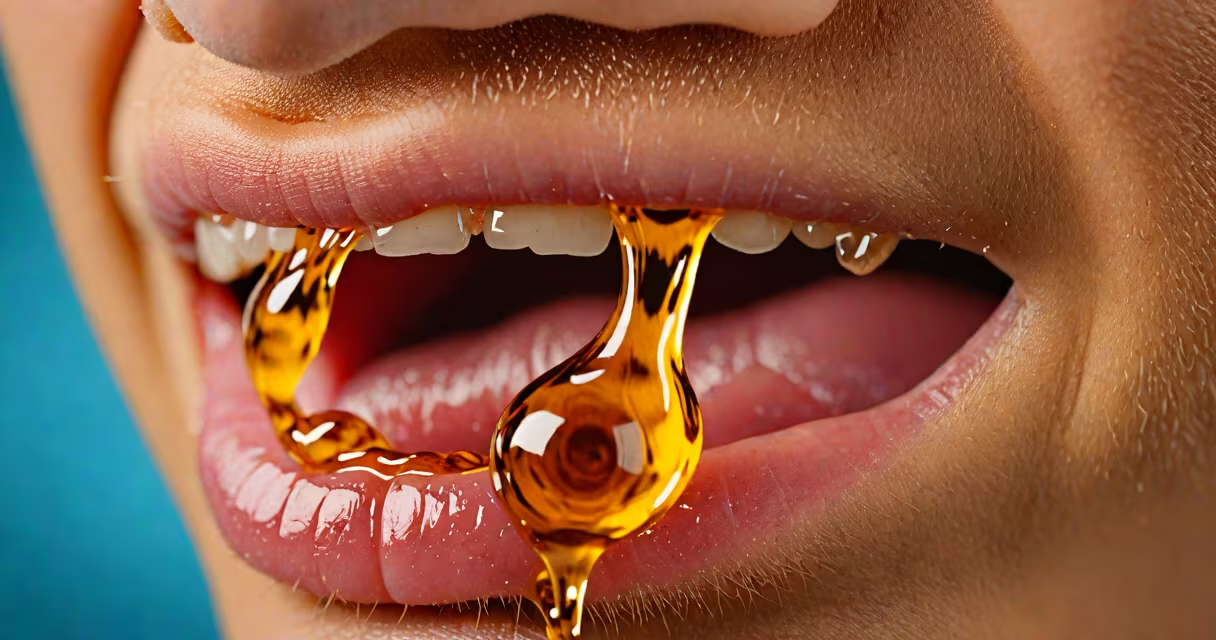
Honey contains hydrogen peroxide, methylglyoxal, and flavonoids-compounds shown to inhibit *Streptococcus mutans* and promote wound healing. A 2018 randomized trial in *Complementary Therapies in Clinical Practice* reported that patients applying medical-grade honey to oral ulcers had lower pain scores after 48 hours.
Several natural agents have demonstrated benefit in clinical settings. The following table summarizes their mechanisms, recommended usage, and evidence base.
| Remedy | How to Use | Key Active Components | Evidence Source |
|---|---|---|---|
| Saltwater rinse | Dissolve 1/2 tsp salt in 8 oz warm water. Swish for 30 seconds, spit out. Repeat 2-3 times daily. | Sodium chloride | J Oral Biol Craniofacial Res, 2016 |
| Raw honey (medical grade) | Apply a thin layer with clean fingertip or cotton swab. Leave on for 10 minutes. Repeat twice daily. | Methylglyoxal, hydrogen peroxide | Complement Ther Clin Pract, 2018 |
| Aloe vera gel | Use pure, unflavored gel from the plant's inner leaf. Apply directly to lesion. Reapply every 4 hours. | Polysaccharides, gibberellins | J Ethnopharmacol, 2014 |
| Coconut oil (topical) | Swish 1 tbsp for 1 minute. Spit out. Do not swallow. Repeat twice daily. | Lauric acid, capric acid | Int J Antimicrob Agents, 2014 |
Each remedy targets a different aspect of ulcer recovery: cleansing, antimicrobial action, tissue repair, and pain modulation. For best results, apply consistently over 3-5 days.
People turn to natural remedies for tongue ulcers when over-the-counter medications cause side effects, when access to healthcare is limited, or when preferring complete care. These methods are especially common in regions with high rates of traditional medicine use.
For example, in India, a 2020 survey by the National Institute of Health Research found that 68% of adults with recurrent oral ulcers used aloe vera or turmeric paste as first-line treatment. In contrast, Western populations often default to benzocaine gels or prescription corticosteroids.
One non-obvious distinction: not all honey is equal. Raw, unprocessed honey from local beekeepers contains higher levels of antibacterial compounds than supermarket varieties, which are often pasteurized and filtered. Medical-grade honey used in trials is sterilized but retains bioactive components.
Many assume that natural means safe or universally effective. This is incorrect. Some natural substances can worsen ulcers or trigger allergic reactions.
For instance, cinnamon oil-sometimes promoted online for its antimicrobial properties-can irritate damaged oral mucosa and increase pain. A 2019 case report in *Oral Diseases* described a patient whose ulcer worsened after applying a homemade cinnamon-honey mix.
Another misconception is that lemon juice or vinegar can "clean" ulcers. These are highly acidic and damage exposed nerve endings. A single application can prolong pain by several days. The pH of lemon juice is around 2.0-far below the threshold for safe oral exposure.
I treated a 34-year-old elementary school teacher who developed a persistent ulcer on her tongue after a stressful week. She avoided spicy food and used a saltwater rinse twice daily. After three days, the pain dropped from 8/10 to 3/10 on a pain scale.
On day four, she applied raw honey (from a local farm) before bed. By morning, the ulcer had shrunk by half. On day six, it was gone. She reported no recurrence in the following month. Her routine included hydration, vitamin B12 supplements, and avoiding toothpaste with sodium lauryl sulfate-a known irritant.
This case illustrates that combining multiple natural strategies yields better outcomes than relying on one alone.
If ulcers last longer than 14 days, bleed, or occur with fever or weight loss, seek medical evaluation. Persistent ulcers can indicate autoimmune conditions or, rarely, oral cancer.
Natural remedies for tongue ulcers offer accessible, low-risk options for managing discomfort and accelerating healing. When used correctly, they provide measurable relief based on clinical research and personal experience.