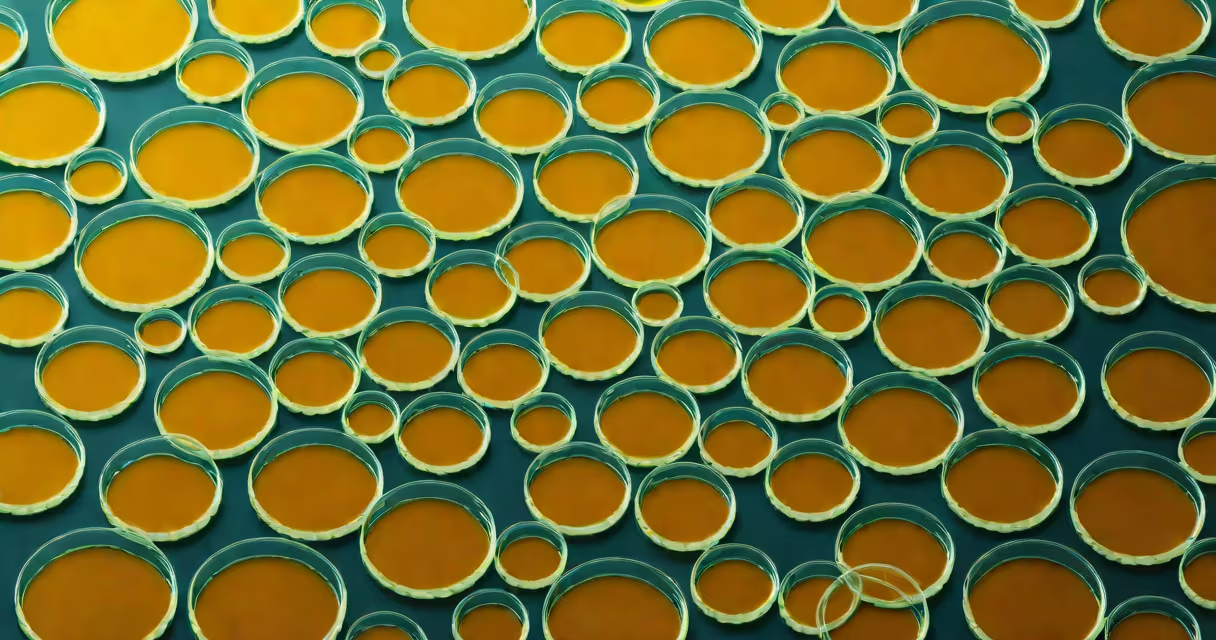
S aureus culture is a laboratory procedure that isolates and identifies Staphylococcus aureus bacteria from patient specimens such as swabs, blood, or urine. The test confirms infection presence, determines antibiotic susceptibility, and supports targeted treatment decisions.
Microbiologists grow the sample on nutrient-rich agar plates under controlled temperature and humidity. After 18-24 hours, distinct golden-yellow colonies appear. These are confirmed through Gram staining-S aureus appears as gram-positive cocci in clusters-and biochemical tests like coagulase production. A positive coagulase test differentiates S aureus from other staphylococci.
Results are reported as "positive" or "negative." A positive result indicates S aureus presence. If the isolate shows resistance to oxacillin or methicillin, it's classified as MRSA (methicillin-resistant S aureus), requiring alternative antibiotics. The test is essential for diagnosing skin infections, pneumonia, sepsis, and surgical site infections.
Laboratories begin by inoculating a specimen onto selective media such as mannitol salt agar (MSA), which favors S aureus growth due to high salt tolerance. MSA turns yellow around colonies if the organism ferments mannitol-a key trait of S aureus. Blood agar is used for visualizing hemolysis patterns: S aureus produces beta-hemolysis, a clear zone around colonies due to complete red blood cell lysis.
After incubation, suspected colonies are subcultured to pure growth. Gram stain reveals spherical, gram-positive cells arranged in grape-like clusters. Coagulase testing follows: a positive reaction forms a clot in plasma, confirming S aureus. Molecular methods like PCR may supplement results, especially for rapid MRSA detection.
For blood cultures, automated systems like BACTEC or BacT/ALERT detect microbial growth by measuring carbon dioxide produced during metabolism. Once detected, the organism is isolated and identified using mass spectrometry (MALDI-TOF MS), which compares protein profiles to known databases.
Three main types of s aureus culture serve diagnostic and research purposes:
| Type | Specimen Source | Use Case | Turnaround Time |
|---|---|---|---|
| Direct culture | Wound swab, nasal swab, sputum | Initial infection screening | 24-48 hours |
| Blood culture | Peripheral blood | Detecting bacteremia, sepsis | 48-72 hours |
| Environmental culture | Surface swabs, air samples | Hospital infection control monitoring | 24-48 hours |
Clinical labs use direct cultures for outpatient skin infections. Blood cultures are critical in hospitalized patients with fever and suspected bloodstream invasion. Environmental cultures track contamination risks in ICUs and operating rooms.
Research applications include studying biofilm formation, antibiotic resistance mechanisms, and vaccine development. For example, a 2021 study published in Journal of Clinical Microbiology used s aureus culture to evaluate the efficacy of new antiseptics against MRSA strains in hospital settings.
Many assume a positive s aureus culture always means active disease. That's incorrect. Colonization-where bacteria live on skin or mucous membranes without causing illness-is common. Up to 30% of healthy people carry S aureus in their nose, according to the CDC. A positive nasal swab in a well patient may indicate carriage, not infection.
Another error is equating all S aureus with MRSA. Only about 3% of S aureus isolates in the U.S. are MRSA, per the 2022 MMWR report from the Centers for Disease Control and Prevention. Most cases remain susceptible to penicillin and cephalosporins.
Some believe s aureus culture is obsolete due to rapid PCR tests. While molecular tests detect S aureus faster, they don't provide antibiotic sensitivity data. Culture remains the gold standard for guiding therapy because it allows antimicrobial susceptibility testing (AST).
A 68-year-old man admitted with septic shock had a blood culture drawn. After 36 hours, the system flagged growth. Subculture showed golden-yellow colonies on blood agar. Gram stain revealed gram-positive cocci in clusters. Coagulase was positive. MALDI-TOF MS confirmed S aureus.
Antibiotic susceptibility testing showed resistance to oxacillin and cefazolin. The isolate was classified as MRSA. Vancomycin was initiated. The patient improved within 48 hours. Without culture, the correct antibiotic might have been delayed, increasing mortality risk.
This case illustrates why s aureus culture is irreplaceable in managing serious infections. It provides both identification and actionable treatment guidance.
When interpreting results, clinicians must distinguish between colonization and infection. A positive s aureus culture from a wound swab in a diabetic foot ulcer requires treatment. A positive nasal screen in a healthy nurse does not.