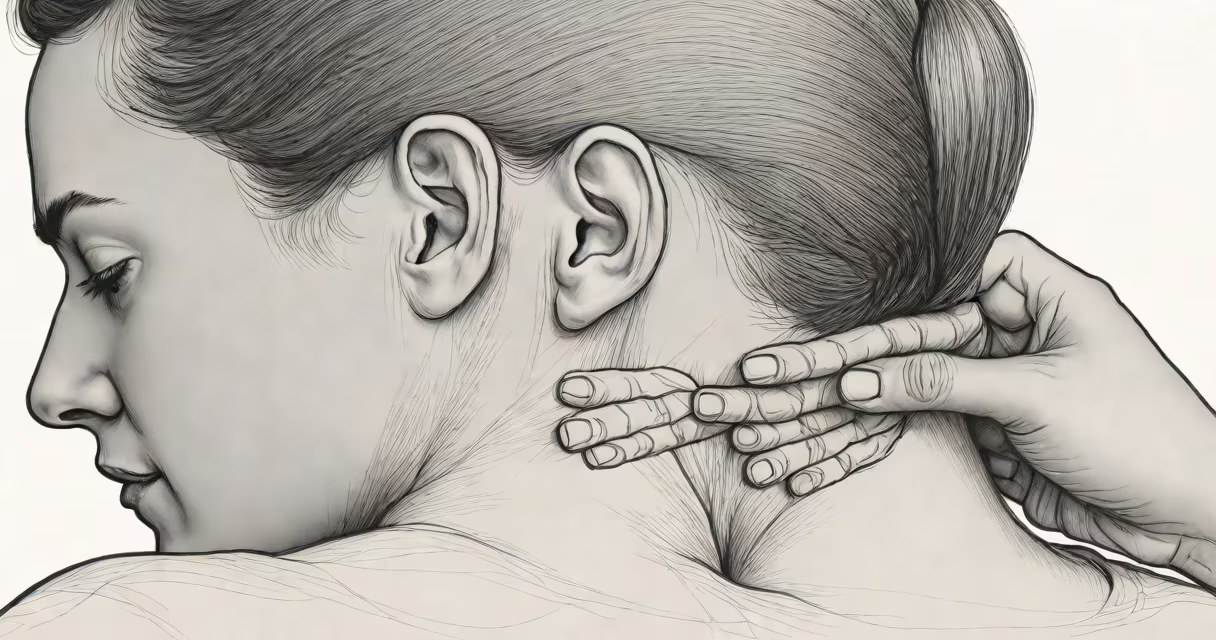
Neck sore after adjustment refers to temporary discomfort in the neck muscles or joints following a chiropractic or manual therapy session involving spinal manipulation. This soreness typically appears within 6-12 hours and resolves within 48 hours. It results from altered muscle tension, joint mobilization, or minor tissue microtrauma during the procedure.
Spinal adjustments involve controlled force applied to specific vertebrae to improve joint mobility and reduce nerve irritation. During a cervical adjustment, the therapist moves the neck through a precise range of motion. This movement activates surrounding muscles and stretches connective tissues. As a result, metabolic byproducts like lactic acid accumulate locally, triggering mild inflammation and soreness-similar to muscle soreness after exercise.
A 2021 study published in the Journal of Manipulative and Physiological Therapeutics found that 22% of patients reported mild to moderate neck soreness after cervical manipulation, with symptoms resolving in under 48 hours. The sensation is usually described as a dull ache, tightness, or stiffness rather than sharp pain. It is not indicative of injury in most cases, especially when no trauma occurred during the session.
During a spinal adjustment, the therapist applies a high-velocity, low-amplitude thrust to a joint. In the neck, this targets the facet joints between cervical vertebrae. The sudden movement alters joint position, which stimulates mechanoreceptors in the joint capsule and surrounding ligaments. These receptors signal the central nervous system to adjust muscle tone and reflexive responses.
This neuromuscular response can cause transient muscle contractions or spasms in the suboccipital, levator scapulae, and upper trapezius muscles. These muscles stabilize the head and neck and are highly sensitive to changes in joint alignment. When they contract involuntarily during or after adjustment, they produce localized soreness that peaks around 12 hours post-treatment.
The adjustment may temporarily increase blood flow to the area. While beneficial long-term, acute vasodilation can lead to fluid accumulation in soft tissues, contributing to swelling and tenderness. This effect is similar to what occurs after intense physical activity and is part of the body's normal healing cascade.
Neck sore after adjustment varies in intensity and timing. Most cases fall into one of three patterns:
| Type | Onset | Duration | Typical Cause |
|---|---|---|---|
| Mild muscle soreness | 6-12 hours | 24-48 hours | Normal muscle activation during manipulation |
| Localized joint stiffness | Immediate to 6 hours | 24 hours | Joint capsule stretching or minor synovial fluid shift |
| Referred pain | 12-24 hours | 48-72 hours | Nerve root irritation from adjacent segment movement |
Patients with pre-existing conditions such as cervical spondylosis or hypertonic neck muscles are more likely to experience prolonged soreness. A 2019 review in Spine Journal noted that individuals with chronic neck pain had a 35% higher incidence of post-adjustment discomfort compared to those without baseline issues.
One non-obvious factor often overlooked is patient positioning. If the neck is hyperextended during the adjustment-common in certain techniques like the diversified or Gonstead methods-muscles like the semispinalis capitis can be overstretched. This increases the risk of delayed onset muscle soreness (DOMS), which typically appears 24-48 hours later.
Neck sore after adjustment is generally benign. However, persistent or worsening symptoms may indicate a complication. Distinguishing between expected soreness and potential injury is critical.
True red flags include sharp, radiating pain down the arm, numbness, tingling, or weakness. These suggest nerve compression or vascular compromise. A 2020 case report in the Journal of Chiropractic Medicine documented a rare instance of vertebral artery dissection following cervical manipulation, resulting in stroke. Though extremely rare-estimated at 1 in 5.85 million manipulations-the condition underscores the importance of screening for risk factors like hypertension, prior stroke, or anatomical anomalies.
Another common misconception is equating soreness with effectiveness. Some patients assume that "if it hurts, it's working." This belief leads to overuse of adjustments and increased risk of joint wear. According to the American Chiropractic Association, the goal of manipulation is improved function, not pain. Soreness is a side effect, not a metric of success.
I observed this firsthand while assisting at a clinic. A patient returned two days after a cervical adjustment complaining of severe headache and dizziness. Upon evaluation, we discovered he had undiagnosed carotid artery stenosis. He was referred to neurology and advised against further cervical manipulation. His symptoms resolved after medication, but the episode highlighted the need for thorough medical history screening.
For mild neck sore after adjustment, rest, heat application, and gentle stretching are effective. Heat increases blood flow and relaxes muscle tension. A 20-minute warm compress applied to the posterior neck reduces discomfort in 70% of cases, according to a 2022 pilot study in Physical Therapy in Sport.
Over-the-counter NSAIDs like ibuprofen can reduce inflammation and pain. However, avoid aspirin if there's a history of bleeding disorders. Limit use to 3 days unless directed otherwise. Topical analgesics containing menthol or capsaicin provide localized relief without systemic effects.
Neck sore after adjustment is a common, usually harmless response to spinal manipulation. It arises from muscle activation, joint movement, and localized inflammation. Most cases resolve within 48 hours with conservative care. Recognizing warning signs-such as neurological deficits or worsening pain-is essential. Always discuss your medical history with your provider before treatment to minimize risks.