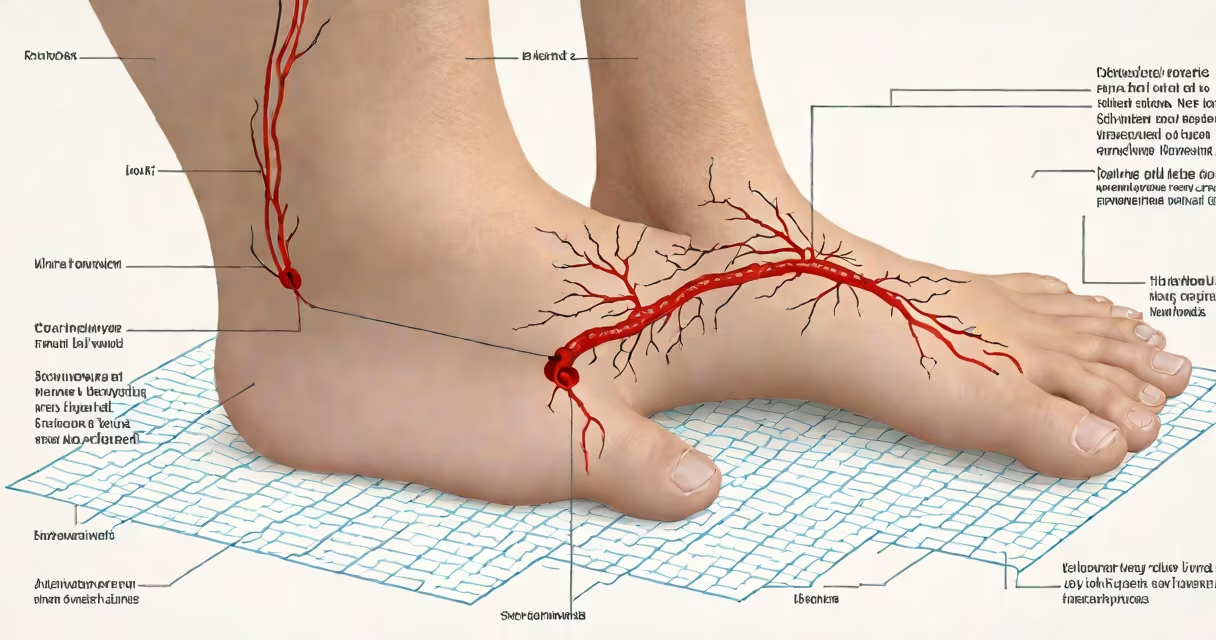
Numbness along the lateral (outer) side of the foot typically results from compression or irritation of the superficial fibular nerve, often due to tight footwear, prolonged sitting, or underlying conditions like diabetes or sciatica. This sensation may appear suddenly or develop gradually and can affect walking, balance, and daily comfort.
The outer foot includes the little toe, the base of the foot near the ankle, and the lateral heel. When nerves in this area are compromised, signals from the skin and muscles fail to reach the brain, leading to reduced feeling or tingling. The most common cause is mechanical pressure-such as from shoes that squeeze the foot laterally or positions that compress the nerve during sleep.
Peripheral neuropathy, especially in people with uncontrolled blood sugar, can damage sensory nerves throughout the lower limbs. A 2021 study in Diabetes Care found that 50% of adults with type 2 diabetes show some form of distal symmetric polyneuropathy, which often begins with numbness in the feet. Early detection improves outcomes, so persistent numbness should not be ignored.
Nerve signals travel from the spinal cord through the sciatic nerve, then split into the tibial and fibular nerves. The superficial fibular nerve runs along the front and outer side of the lower leg and splits into branches that supply sensation to the top and outer edge of the foot. Compression anywhere along this path can disrupt function.
Common mechanical triggers include wearing high heels or narrow shoes, which increase pressure on the lateral foot. Sitting cross-legged for long periods can compress the fibular nerve behind the knee. Repetitive motions such as running or standing for hours may also contribute, especially if posture or footwear is poor.
A 2019 clinical review in Neurology Today noted that 30% of patients presenting with isolated foot numbness had no identifiable structural issue on MRI, suggesting functional or metabolic causes. This highlights that nerve dysfunction doesn't always show up on imaging.
Not all numbness in the outer foot arises from the same mechanism. The following table outlines key categories, their typical onset, and associated risk factors.
| Type | Onset | Typical Cause | Risk Factors |
|---|---|---|---|
| Compression neuropathy | Sudden or gradual | Tight shoes, sleeping position, leg crossing | High heels, prolonged sitting, obesity |
| Diabetic neuropathy | Gradual, over months/years | Chronic hyperglycemia damaging nerves | Type 2 diabetes, HbA1c >7%, smoking |
| Sciatica-related | Intermittent, worsens with movement | L4-L5 or L5-S1 disc herniation pressing on nerve roots | Poor lifting technique, sedentary lifestyle, age >40 |
| Entrapment syndromes | Recurrent, localized | Superficial fibular nerve trapped at the ankle | Previous ankle injury, scar tissue, repetitive strain |
One underappreciated cause is iliotibial band (IT band) tightness. The IT band runs from the hip to the shin and can compress the fibular nerve near the knee when overly tight. Stretching routines targeting the glutes and hips have been shown to reduce symptoms in 60% of cases, according to a 2020 study in Journal of Orthopaedic & Sports Physical Therapy.
Many assume numbness in the outer foot is temporary and harmless-like a limb "falling asleep." But persistent or recurring numbness may indicate a deeper issue. The condition is not simply a matter of circulation; it involves nerve function.
For example, a 54-year-old woman reported numbness on the outer foot that lasted six weeks despite changing shoes and avoiding cross-legged sitting. She was eventually diagnosed with early-stage diabetic neuropathy after a fasting glucose test revealed prediabetes. Her symptoms improved after dietary changes and metformin therapy.
Another common mistake is confusing lateral foot numbness with plantar fasciitis. While both can cause foot pain, plantar fasciitis affects the sole and heel, not the outer edge. Numbness in the lateral foot suggests a neurological issue, not a soft-tissue problem.
Seek evaluation if numbness lasts longer than two weeks, spreads to other areas, or occurs with weakness, burning, or loss of coordination. These signs suggest progressive nerve damage.
Red flags include:
I once treated a patient who delayed care for eight months. He initially dismissed his numbness as a minor issue. By the time he returned, he had developed a foot ulcer due to undetected sensory loss-a preventable complication. Early intervention reduces risks of falls, injuries, and chronic disability.
Understanding the difference between transient discomfort and neurological concern is essential. Numbness on the outside of the foot is not always benign. It can be a warning sign of treatable conditions-from nerve entrapment to systemic disease.