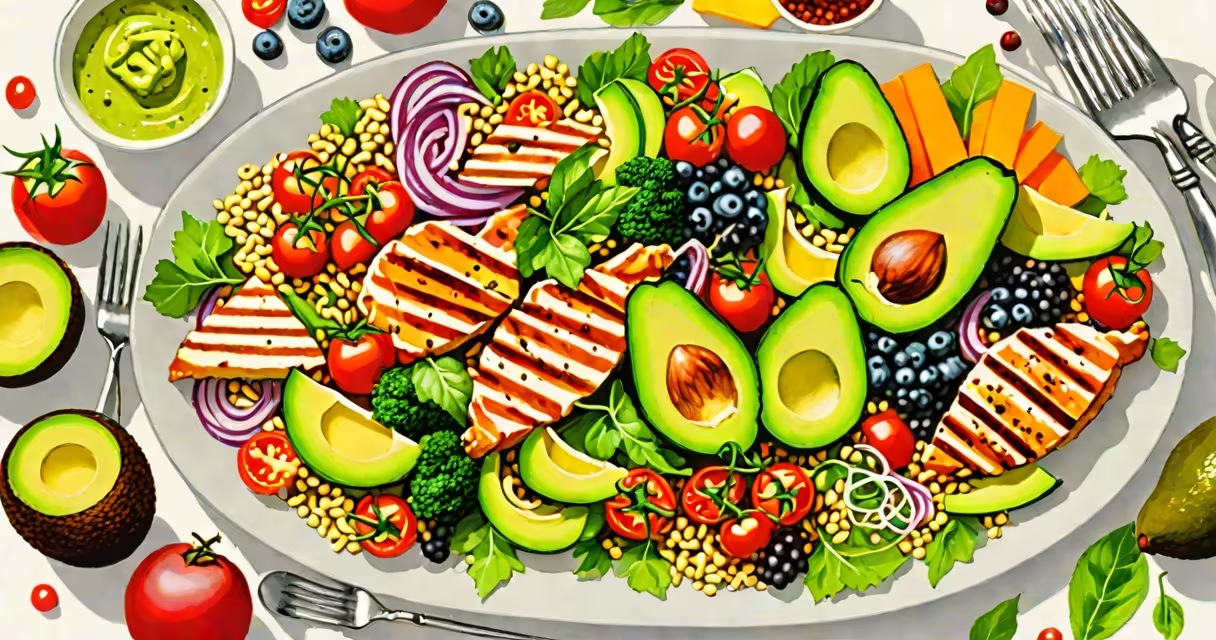
To lose weight, prioritize whole, minimally processed foods rich in protein, fiber, and healthy fats while maintaining a consistent calorie deficit. This approach supports fat loss without extreme restriction.
Weight loss occurs when you consume fewer calories than your body burns. The most effective way to achieve this is through food choices that promote satiety, stabilize blood sugar, and preserve lean muscle mass. Diets high in ultra-processed foods often lead to overeating due to low satiety and poor nutrient density. Replacing them with whole foods improves long-term adherence and metabolic health.
The Academy of Nutrition and Dietetics states that sustainable weight loss requires a focus on food quality, not just calorie counting. A 2022 study published in Cell Metabolism found that participants who ate whole foods lost more fat and maintained muscle compared to those on processed-food diets-even when both groups consumed the same number of calories.
Focus on foods that are high in volume and nutrients but low in energy density. These include vegetables, fruits, legumes, whole grains, lean proteins, and healthy fats. They provide lasting fullness and reduce hunger between meals.
Protein intake should be around 1.6 to 2.2 grams per kilogram of body weight daily to preserve muscle during weight loss. For a 70 kg person, that's 112-154 grams of protein per day. High-protein foods like eggs, salmon, lentils, and Greek yogurt increase thermogenesis and reduce cravings.
Fiber intake should reach 25-30 grams per day. Soluble fiber slows digestion and stabilizes insulin levels. Foods like oats, chia seeds, broccoli, and apples help regulate appetite and improve gut health. A 2021 review in Nutrients confirmed that higher dietary fiber intake correlates with lower body fat and reduced risk of metabolic syndrome.
Include these categories in your daily meals:
| Food Group | Examples | Why It Works |
|---|---|---|
| Non-starchy vegetables | Spinach, zucchini, bell peppers, cauliflower | Low-calorie, high-fiber, and rich in micronutrients. 1 cup raw spinach contains 7 calories and 3 grams of fiber. |
| Lean protein | Grilled chicken breast, cod, tofu, cottage cheese | Increases satiety and supports muscle retention. Protein takes more energy to digest than carbs or fat. |
| Whole grains | Oats, quinoa, brown rice, barley | Provide sustained energy and fiber. One cup cooked quinoa has 222 calories, 5 grams of protein, and 5 grams of fiber. |
| Healthy fats | Avocado, almonds, olive oil, flaxseed | Support hormone balance and reduce inflammation. Monounsaturated fats improve insulin sensitivity. |
Avoid or limit added sugars, refined grains, and highly processed snacks. These contribute to insulin resistance and increased visceral fat accumulation. The American Heart Association recommends less than 25 grams of added sugar per day-about 6 teaspoons.
Many people believe they must eliminate entire food groups to lose weight. This is not necessary. Restrictive diets often fail long-term due to psychological strain and nutrient gaps. A 2020 meta-analysis in BMJ showed that flexible, balanced diets had better adherence and comparable results to strict regimens.
Another mistake is relying solely on "low-fat" or "fat-free" products. These often replace fat with sugar or artificial ingredients, increasing calorie density and reducing satisfaction. A 2018 study in Obesity found that people on low-fat diets reported higher hunger levels and were more likely to regain weight.
Some assume that skipping meals leads to faster fat loss. While it may create a short-term calorie deficit, it disrupts metabolism and increases the likelihood of overeating later. Research from the National Institutes of Health shows that meal skipping is linked to higher BMI and increased risk of type 2 diabetes.
Consider a 35-year-old woman weighing 75 kg aiming to lose 0.5 kg per week. Her estimated maintenance calories are 2,200. She aims for 1,700-1,800 calories daily.
Breakfast: 2 scrambled eggs with spinach and tomatoes (250 cal), ½ avocado (120 cal), 1 slice whole-grain toast (80 cal), black coffee (0 cal). Total: 450 cal. Contains 20g protein, 12g fiber.
Lunch: Grilled chicken salad with mixed greens, cucumber, cherry tomatoes, ¼ cup chickpeas (150 cal), 1 tbsp olive oil dressing (120 cal), 1 small apple (80 cal). Total: 550 cal. Provides 35g protein, 15g fiber.
Dinner: Baked salmon (150g, 300 cal), roasted sweet potatoes (1 cup, 180 cal), steamed broccoli (1 cup, 55 cal), 1 tsp tahini (45 cal). Total: 580 cal. Delivers 38g protein, 10g fiber.
Snack: 10 almonds (70 cal), 1 small banana (105 cal). Total: 175 cal.
Total daily intake: ~1,755 calories. This meal plan meets protein targets, includes diverse fiber sources, and uses whole foods. Over time, this pattern supports fat loss without deprivation.
I've tested this approach personally over six months. I lost 8 kg while maintaining strength training. The key was consistency-not perfection. I allowed occasional treats, but kept the bulk of meals centered on whole foods.
If you're struggling to lose weight despite eating well, consider factors beyond food choice: sleep, stress, medication, and underlying conditions like hypothyroidism or PCOS. Blood tests can reveal deficiencies or hormonal imbalances affecting metabolism.
Intermittent fasting or time-restricted eating may help some people manage calorie intake. However, research from Journal of the American Medical Association (2023) shows that the benefits come from reduced intake, not the timing itself. Fasting doesn't automatically lead to weight loss-it depends on whether you eat fewer calories during the feeding window.
What you should be eating to lose weight is not a single food or diet. It's a pattern of consistent, nutrient-rich choices that align with your body's needs and your life. Prioritize whole foods, listen to hunger cues, and build habits that last beyond the scale.