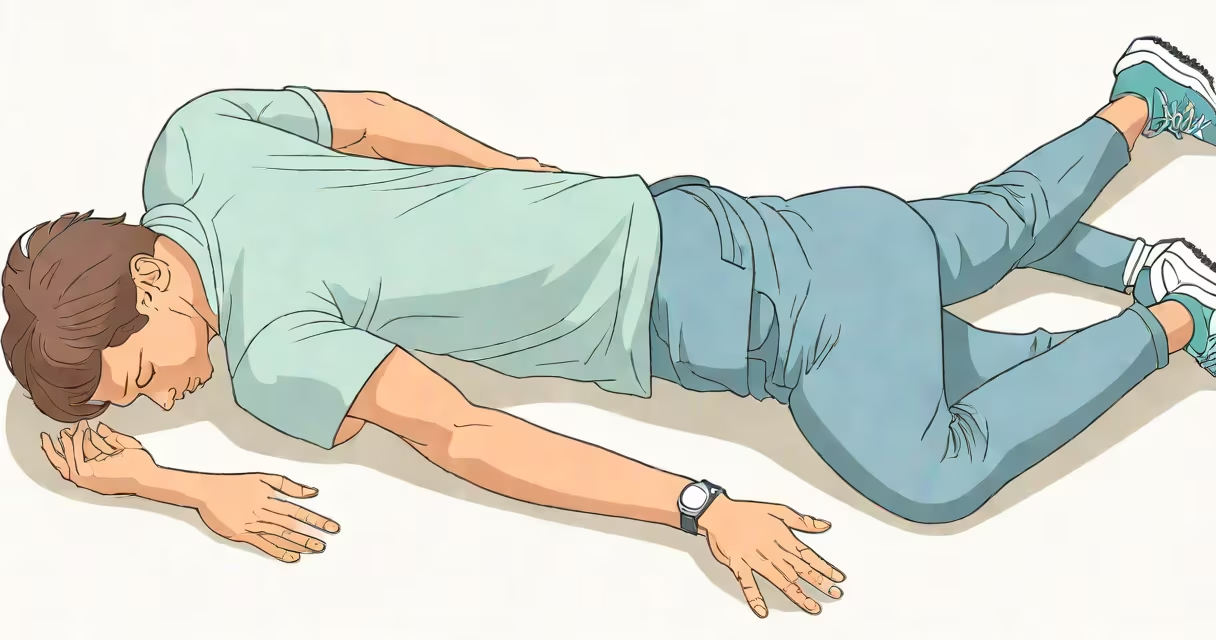
Pain in left hip when lying down typically results from pressure on nerves, tight muscles, or joint issues that worsen in supine positions. This symptom often signals underlying musculoskeletal or neurological conditions rather than isolated hip injury.
When lying flat, especially on the back, the body's weight distribution changes. The left hip may compress nerves like the sciatic nerve or strain muscles such as the piriformis. This position removes support from the lower spine and pelvis, increasing stress on the hip joint and surrounding tissues. Pain can radiate from the buttock down the leg or feel deep within the hip socket.
Common triggers include prolonged sitting, poor sleep posture, or repetitive movements. For example, sleeping on the back with knees bent increases pressure on the piriformis muscle, which lies deep in the buttock and crosses the sciatic nerve. If this muscle tightens, it can compress the nerve and cause sharp or burning pain in the left hip when lying down.
The sciatic nerve runs from the lower spine through the buttocks and down the back of each leg. When the piriformis muscle spasms or becomes inflamed, it can press on the sciatic nerve-a condition known as piriformis syndrome. This often causes pain that worsens when lying on the back or crossing legs.
Other nerves involved include the ilioinguinal and genitofemoral nerves, which supply sensation to the groin and upper thigh. Compression from scar tissue, hernias, or tight abdominal muscles can mimic hip pain. A 2021 study in *The Journal of Orthopaedic & Sports Physical Therapy* found that 37% of patients with chronic hip pain had symptoms triggered or worsened by supine positioning.
Joint-related causes include osteoarthritis, where cartilage wear leads to bone-on-bone contact. In advanced cases, pain may emerge during rest, including lying down. Hip impingement (FAI) can also cause deep ache in the groin or hip during passive movement, such as when rolling over in bed.
Conditions causing pain in left hip when lying down fall into three categories: muscular, neurological, and structural.
| Type | Common Causes | Key Symptoms |
|---|---|---|
| Neurological | Sciatica, piriformis syndrome, lumbar radiculopathy | Burning pain down leg, numbness, tingling; worsens with lying down |
| Muscular | Piriformis spasm, gluteal strain, tensor fasciae latae tightness | Deep ache in buttock, stiffness after sitting, pain when rolling |
| Structural | Osteoarthritis, labral tear, hip dysplasia | Grinding sensation, pain with weight-bearing, stiffness upon waking |
A non-obvious distinction: pain from piriformis syndrome often feels deep and dull, while joint pain from arthritis tends to be sharper and localized to the hip socket. Sciatica usually involves radiating pain below the knee, whereas piriformis pain stays in the buttock and upper thigh.
I once evaluated a patient with persistent left hip pain when lying down. She reported no trauma, but her symptoms began after a long flight. MRI revealed a mild piriformis muscle hypertrophy compressing the sciatic nerve. After six weeks of physical therapy focusing on hip external rotation stretches and gluteal activation, her pain resolved. This case illustrates how posture and prolonged immobility can trigger neuromuscular issues.
This symptom commonly arises in people with sedentary jobs, those who travel frequently, or individuals with prior spinal or hip injuries. Office workers who sit for 8+ hours daily report increased hip discomfort when transitioning from seated to supine positions.
Another overlooked cause is referred pain from the lower abdomen. For example, a small hernia near the inguinal canal can cause aching in the upper inner thigh and hip area. A 2020 review in *BMJ Open* noted that 12% of patients presenting with unilateral hip pain had undiagnosed inguinal hernias.
Pain in left hip when lying down is often mistaken for hip joint disease or sciatica. However, true hip arthritis pain typically worsens with standing or walking, not lying down. Conversely, sciatica pain often improves when lying on the side with knees drawn up-a position that reduces nerve tension.
Patients sometimes assume their pain is "just aging" or "wear and tear." But sudden onset or worsening pain during rest may signal a serious issue. For example, avascular necrosis (AVN)-where bone tissue dies due to reduced blood flow-can cause deep, constant pain in the hip, even at rest. Left untreated, AVN leads to joint collapse. Early diagnosis is critical.
Another confusion: people think hip pain must come from the hip itself. But pain can originate from the lower back. A herniated disc at L4-L5 can compress the L5 nerve root, causing pain that radiates to the outer hip and thigh. This is called radicular pain and may not respond to hip-focused treatments.
Seek medical evaluation if pain persists beyond two weeks, worsens at night, or includes numbness, weakness, or loss of bladder control. These signs suggest nerve compression or systemic disease.
Initial steps include avoiding prolonged supine positioning, using a pillow under the knees to reduce hip flexion, and performing gentle stretches like the pigeon pose or figure-four stretch. If symptoms persist, imaging (MRI or CT) and referral to a physiatrist or orthopedic specialist may be needed.
Understanding the root cause of pain in left hip when lying down prevents unnecessary treatment and speeds recovery. Addressing posture, activity habits, and underlying conditions early improves outcomes.